
When you purchase through links on our site, we may earn an affiliate commission. Here’s how it works .
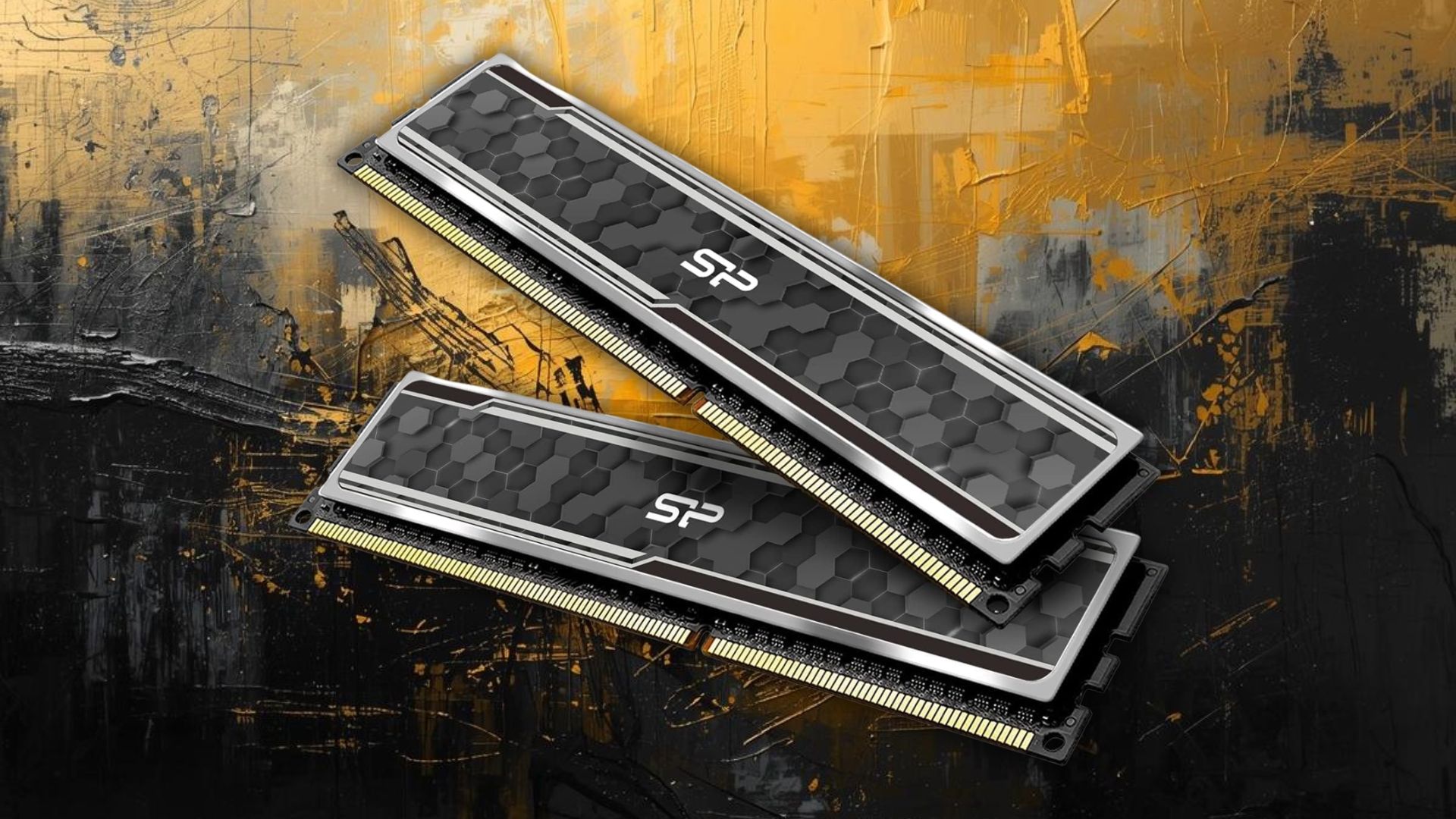
The spot price of a 16GB DDR4 chip slipped roughly 5% over the past month to around $74.10, the first monthly decline since February 2025 and the first crack in a rally that pushed the same part from around $3.20 a year earlier, according to DigiTimes . This marks a notable decline from the 2,200% increase in pricing seen earlier this year.
16GB DDR5 fell by a comparable amount to roughly $37.20 over the same period, with the sharpest drops showing up in Chinese channel listings and on Amazon , where some 32GB DDR5 kits came down by as much as 30%. Even after the pullback, 16GB DDR4 is trading at more than 20 times its price just 12 months ago.
None of this has reached the contract market, where PC OEMs and system builders actually source memory. TrendForce 's latest survey, which we covered last week , projects another 58% to 63% quarter-on-quarter rise in conventional DRAM contract prices in Q2 2026 and a 70% to 75% jump in NAND Flash, following record Q1 increases of 90% to 95% on DRAM.
You may like Spiralling memory spot prices could trigger 'industry cycle collapse,' report warns Retail DDR5 memory prices slowly drop in Europe despite ongoing shortages RAM Price Index 2026: Daily lowest price on DDR5 and DDR4 memory of all capacities DigiTimes reported that neither the three major suppliers nor Chinese memory makers CXMT and YMTC have eased pricing, and that customers are still signing long-term supply agreements. Spot sales represent a small fraction of total memory shipments, so a correction in channel listings has little direct bearing on OEM pricing.
It’s the Chinese channel that has moved the most, however, with DigiTimes reporting 32GB DDR5 kits down 27% over the month, while 8GB and 16GB DDR4 modules posted weekly declines of 25% in data the outlet attributed to China Flash Market.
Two factors appear to be driving the sell-off. First is that distributors who had built inventory at the top of the rally began clearing it once smaller module vendors ran out of headroom to pass costs downstream. Weak consumer demand has been a running theme since late 2025, when Samsung signed a non-cancellable DDR4 supply agreement that wouldn’t flow through to consumer buyers.
The second factor is Google's TurboQuant announcement in late March, a memory compression technique the company's research arm claims can cut key-value cache memory use during large language model inference by a factor of at least six. DigiTimes said the disclosure prompted some stockpilers to unload positions on concern that hyperscaler memory demand could soften if similar techniques reached production at scale.
Get Tom's Hardware's best news and in-depth reviews, straight to your inbox.
Key considerations
- Investor positioning can change fast
- Volatility remains possible near catalysts
- Macro rates and liquidity can dominate flows
Reference reading
- https://www.tomshardware.com/tech-industry/SPONSORED_LINK_URL
- https://www.tomshardware.com/tech-industry/ddr4-spot-prices-fall-for-first-time-in-nearly-a-year-as-chinese-channel-inventory-clears#main
- https://www.tomshardware.com
- Asus ROG Xbox Ally review: The cheapest Windows handheld gets points for showing up
- Smooth Moves: 90 Frames-Per-Second Virtual Reality Arrives on GeForce NOW
- National Robotics Week — Latest Physical AI Research, Breakthroughs and Resources
- US cybersecurity agency issues an urgent alert as Iranian hackers attack critical infrastructure — CISA guidance warns organizations to immediately shield certa
- How Autonomous AI Agents Become Secure by Design With NVIDIA OpenShell
Informational only. No financial advice. Do your own research.