
Memory makers have spent the last two years pivoting capacity toward high-bandwidth memory (HBM), which feeds Nvidia-class accelerators, because that’s where the margins are. Reuters reports the resulting squeeze is spreading across multiple memory types, with inventories tightening and prices in some segments surging. Analysts warn the shortfall could persist into late 2027. When capacity, packaging lines, and engineering talent are being pulled toward the AI boom, legacy memory products, including those used in vehicles, risk becoming the thing suppliers would rather not make unless they’re paid properly.
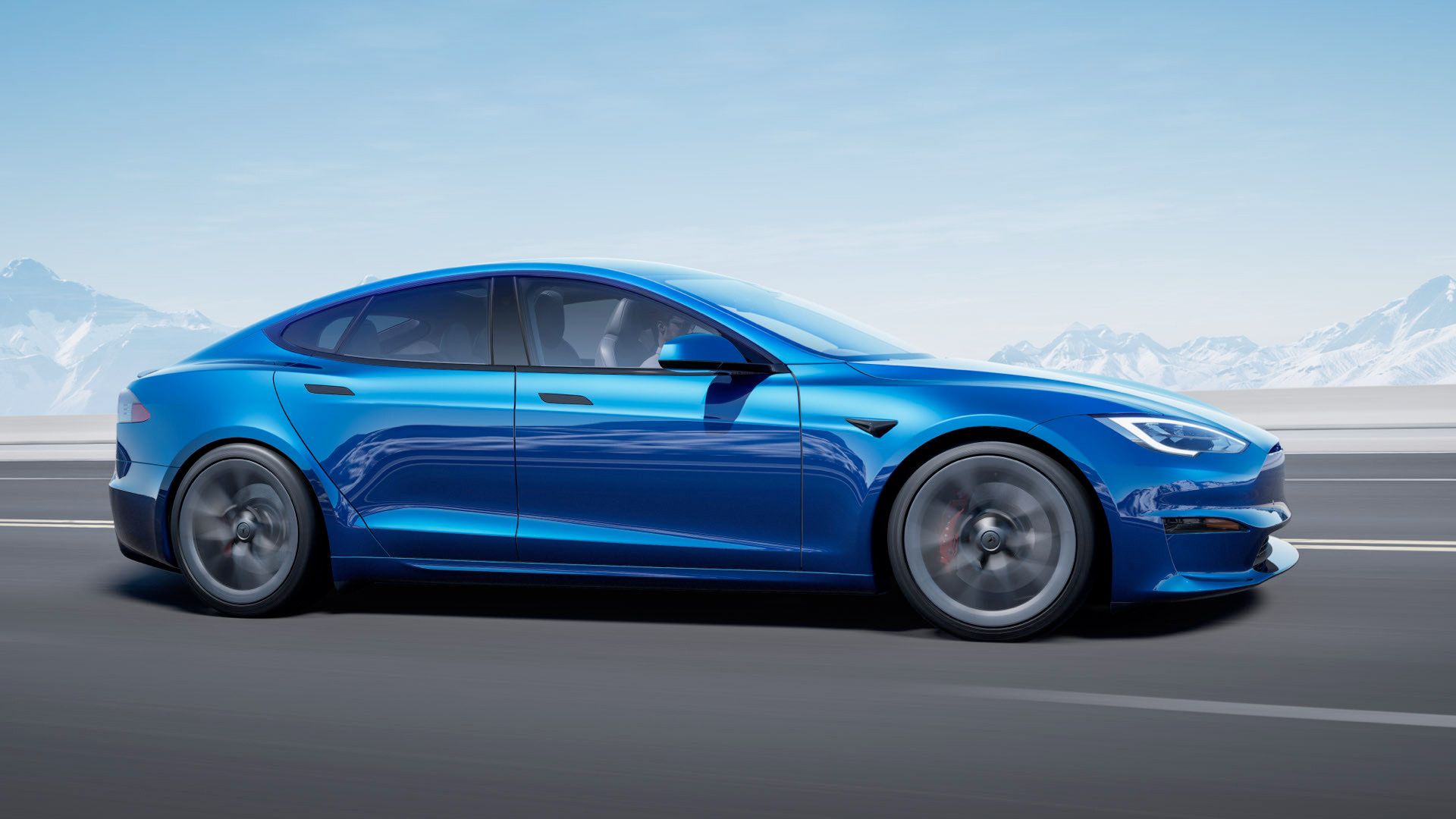
Although the entire sector is under pressure, the financial and operational burden isn’t distributed evenly: Tesla and Rivian are considered the most exposed manufacturers due to their advanced zonal architectures and high reliance on complex ADAS systems, which need DRAM in abundance. Tesla's vehicles, for instance, carry roughly five times the DRAM content of lower-content legacy models. And geographically, the risk is most concentrated in China, where vehicles carry approximately 50% more DRAM content than those produced for the North American or European markets due to the high penetration of advanced cockpit features.
Analysts reckon the DRAM cost of an average US vehicle could rise from $50 to $100, which represents only around 0.2% of the total bill of materials. “Although EV demand for DRAM/NAND is surging, memory still accounts for a limited percentage of total vehicle costs,” explained Chen. But the harm begins to become obvious for premium electric vehicles where DRAM content already exceeds $200. There, costs could balloon to $400 per vehicle, accounting for up to 1% of the total manufacturing cost for a mid-level EV like the Tesla Model 3 or Y.
To mitigate these rising costs and potential supply gaps, some manufacturers may be forced into what analysts say is “de-contenting” their vehicles by scaling back on high-tech offerings. This could include reducing the capability of ADAS systems, which use 5.5 times more DRAM than standard Level 2 systems, or removing generative AI features , which require double the standard DRAM density. Other options for conserving supply include offering fewer or smaller displays within the cabin.
The loss of those features is where the harm differs from the upcoming 2026 supply shortage and the one that racked the industry during the COVID-19 pandemic six years ago. The 2021 crisis impacted basic chips used in almost every electronic control unit across a car, while this shortage is concentrated in advanced compute functions like the cockpit and central processing. So while the shortage might prevent an automaker from offering a premium infotainment system or advanced self-driving features, it’s far less likely to stop the assembly line for basic vehicle production. But the effect is still significant, and manufacturers seem likely to respond. The auto industry will eventually need to redesign its systems to move away from older DRAM technologies that are set to be phased out after 2027, reckons Barclays’ Levy.
Another alternative to try and tackle the changing market dynamics is to centralise compute in ways that reduce total DRAM demand. “What we've seen increasingly with clients is they're trying to get an understanding of where the choke points are,” said Baliga. But changing vehicle designs can’t be done overnight, and doesn’t remove the underlying challenge.
Automakers can fix their own issues, but they can’t account for the changes made by other industries – and while they might be willing to take the hit on the small margin of the overall vehicle cost, they probably can’t account for the change in cost from import tariffs. “Given the numerous variables affecting final pricing, it is difficult to directly link the cost volatility of a single component to adjustments in market retail prices,” said Chen.
As long as AI infrastructure keeps hoovering up high-margin capacity, and chip supply remains a geopolitical lever, automotive manufacturers will be trying to negotiate with two parties that don’t particularly care about the price sensitivity of the auto market. The safest assumption for the next year or two is simple: the electronics content in cars will get more expensive – and buyers, one way or another, pick up the bill.
Chris Stokel-Walker Freelance Contributor Chris Stokel-Walker is a Tom's Hardware contributor who focuses on the tech sector and its impact on our daily lives—online and offline. He is the author of How AI Ate the World, published in 2024, as well as TikTok Boom, YouTubers, and The History of the Internet in Byte-Sized Chunks.
Key considerations
- Investor positioning can change fast
- Volatility remains possible near catalysts
- Macro rates and liquidity can dominate flows
Reference reading
- https://www.tomshardware.com/tech-industry/SPONSORED_LINK_URL
- https://www.tomshardware.com/tech-industry/chip-scarcity-assaults-auto-industry-amid-the-worsening-nexperia-and-dram-crisis#main
- https://www.tomshardware.com
- Now Generally Available, NVIDIA RTX PRO 5000 72GB Blackwell GPU Expands Memory Options for Desktop Agentic AI
- Developer turns floppy disks into secret black-and-white picture canvases — pbm2track "paints" pixel art into the disk's magnetic timing diagram
- Make Spirits Bright With Holiday Hits on GeForce NOW
- Reports of the previously-recalled Bambu Lab 3D printer being a fire hazard resurface, new power board component issue identified as the cause — Bambu says the
- Plasma-powered solid-state laptop cooler to debut at CES — new cooler design uses ionized gas and electrical discharge to generate airflow
Informational only. No financial advice. Do your own research.