
When you purchase through links on our site, we may earn an affiliate commission. Here’s how it works .
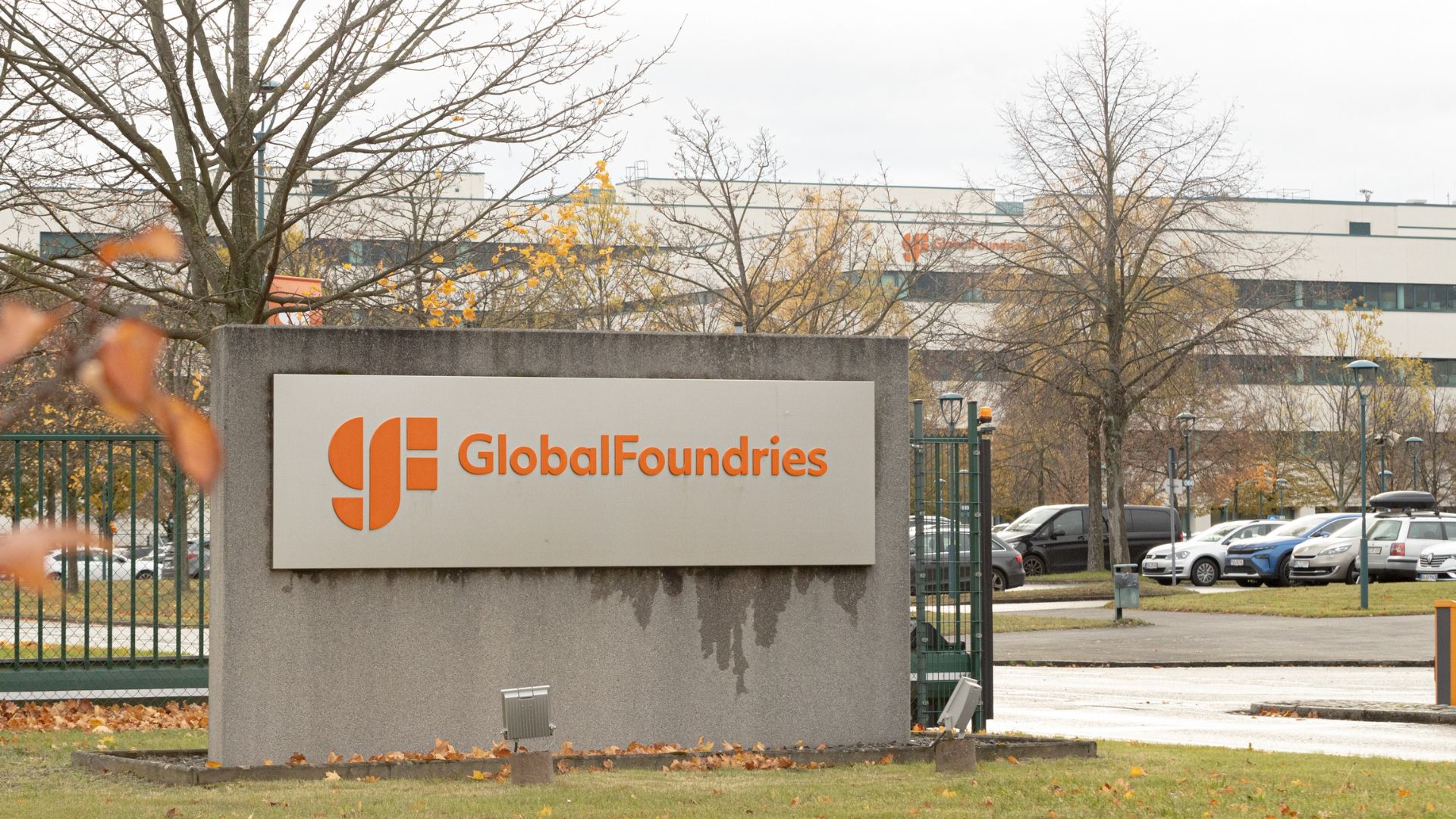
(Image credit: Getty Images) GlobalFoundries just announced its acquisition of Advanced Micro Foundry, a Singapore-based silicon photonics maker, a purchase the company says makes it the largest manufacturer of the technology, as reported by Reuters . Silicon photonics uses light instead of electrical pulses to transmit data, and it can be used for communication within chips, between components, and even across servers.
Nvidia is already planning to implement silicon photonics for its next-generation AI servers, which would reduce power consumption while simultaneously increasing data transfer speeds. This is crucial for the company, as it could enable clusters with millions of GPUs within data centers. AMD is also jumping on this technology, reportedly spending nearly $300 million to open a research and development center in Taiwan that focuses on said tech. It acquired Enosemi, another silicon photonics firm, earlier this year , to help compete against Nvidia.
Silicon photonics’ ability to reduce power consumption while increasing data transmission speeds is crucial for the future of AI computing. This is especially true now that the AI data center build-out is straining the electricity grid with the unprecedented increase in power demand. “As data moves faster and workloads grow more complex, the ability to move information with greater speed, precision, and power efficiency is now fundamental to AI data centers and advanced telecom networks,” said GlobalFoundries CEO Tim Breen in a statement.
Aside from its use with AI, silicon photonics is a pivotal technology in quantum computing. The use of light instead of electrical signals could allow for systems that do not require cryogenic cooling, making quantum computers much more practical and less costly to operate.
While big names like AMD, Nvidia, and GlobalFoundries are investing in silicon photonics, other startups are also entering the fray. Firms like Ayar Labs, Celestial AI, and Lightmatter are developing their own technologies and photonic-based chips, especially as it’s seen as the future of computing.
While we don’t expect to see consumer-grade CPUs, GPUs, and motherboards come with this technology anytime soon, it’s already being applied to large-scale servers that deal with terabytes of data every second. And with the continued investment in AI data centers, we anticipate that research and development on this promising tech would move forward as well.
Follow Tom's Hardware on Google News , or add us as a preferred source , to get our latest news, analysis, & reviews in your feeds.
Get Tom's Hardware's best news and in-depth reviews, straight to your inbox.
Key considerations
- Investor positioning can change fast
- Volatility remains possible near catalysts
- Macro rates and liquidity can dominate flows
Reference reading
- https://www.tomshardware.com/tech-industry/SPONSORED_LINK_URL
- https://www.tomshardware.com/tech-industry/globalfoundries-buys-silicon-photonics-firm-advanced-micro-foundry-for-undisclosed-amount-move-makes-chipmaker-one-of-the-largest-silicon-photonics-manufacturers#main
- https://www.tomshardware.com
- Cloudflare's CTO apologizes after error takes huge chunk of the internet offline — 'we failed our customers and the broader internet'
- Google and Meta delay undersea cable projects over security concerns — Red Sea corridor carries a fifth of global internet traffic, but risk to crews and ships
- Distributors force unprecedented RAM and motherboard bundle mandate to fight global shortage, report claims — distributors require one-to-one ratio from buyers
- Intel cancels part of its next-gen Diamond Rapids Xeon lineup, report claims — Xeon 7 will drop models with 8 memory DIMMs to focus only on 16-channel CPUs for
- SilverStone takes the wraps off the FLP03, its latest homage to beige 1980s PC design — retro micro-ATX case has modern amenities
Informational only. No financial advice. Do your own research.