
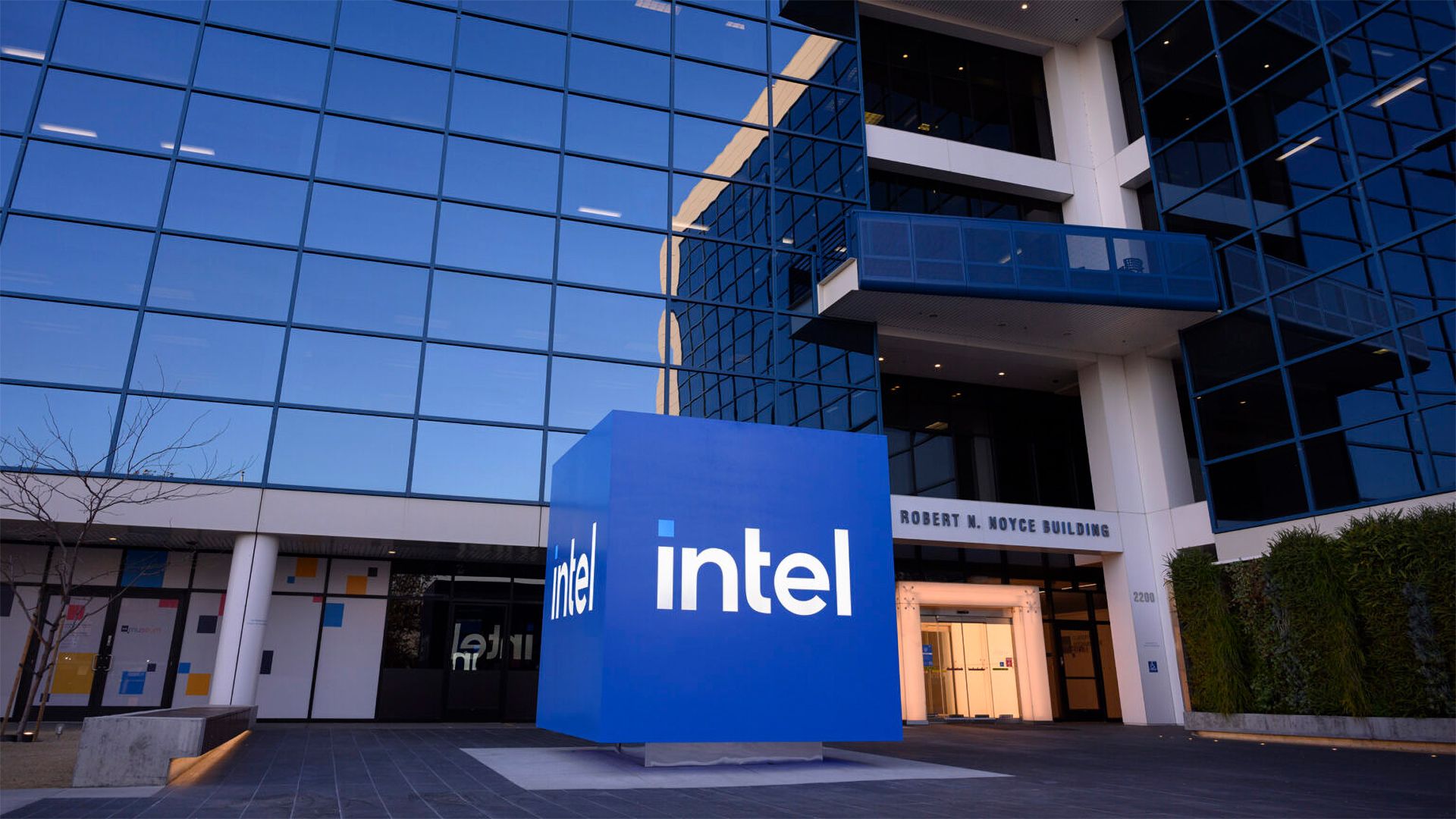
Intel plans to finance the buyback of the 49% joint venture stake using a combination of existing cash reserves and roughly $6.5 billion raised through new debt issuance. The company expects the deal to have a positive impact on its ongoing earnings per share, because by taking over a 49% stake of a fully ramped fab, it will not have to pay margins to Apollo when it gets wafers from Fab 32. As an added bonus, Intel expects the deal to improve its credit ratings starting in 2027 and beyond. Back on June 4, 2024, Intel and Apollo inked an agreement under which Intel converted of its Fab 34 near Leixlip, Ireland, into a separate venture and then sold 49% of this venture to Apollo for $11.2 billion. The move aimed to inject much needed cash into Intel to enable it to keep equipping its Fab 34 in Ireland and invest in other facilities, including Fab 52 in Arizona . Fab 34 was meant to manufacture wafers using Intel 4 and Intel 3 process technologies and the output was sold to Intel under a cost-plus-margin model. Additionally, Intel committed to minimum purchase volumes, which ensured predictable utilization and revenue streams for the JV. The structure of the deal effectively separated the economics of Fab 34 from Intel Foundry's financial performance, making the JV profitable while deepening losses for Intel Foundry. Intel was also obligated to complete the build-out of Fab 34, which further lowered execution risk for the minority investor. Meanwhile, Intel got money to equip its Fab 52 in time for production of Panther Lake and Clearwater Forest processors. Fab 52 is fab from being ramped up, but the company seems to be optimistic about its ramp. Intel Fab 34 began high-volume manufacturing of compute chiplets for Meteor Lake processors in September, 2023. As a result, by mid-2024, Fab 34 was decently (but not fully) ramped and was ready to produce compute dies for client-oriented Core Ultra 'Meteor Lake' and data center-oriented Xeon 6 'Granite Rapids' CPUs. By now, the fab has produced chiplets for millions of CPUs and hundreds of thousands of wafers using Intel's 3nm- and 4nm-class process technologies. In general, Apollo's investment resembled infrastructure-like capital deployment, with stable, bond-like cash flows rather than full participation in the risks associated with leading-edge semiconductor manufacturing. Apollo's position in the JV offered no operational control or strategic influence, so its ability to improve performance/utilization/profitability of the fab beyond the predefined framework was limited. Meanwhile, the 49% stake clearly limited its earnings to less than 50% below what any fab could deliver, so holding this stake meant little sense for the company. From a financial standpoint, the exit terms are quite good: Intel agreed to repurchase Apollo's 49% stake for $14.2 billion, which is a roughly 27% nominal gain over a relatively short holding period of less than two years. As a result, Apollo seems to be happy with the transaction and is ready to work with Intel in the future. "Flexibility and alignment are core to how we approach relationships as a long-term, solutions-oriented capital partner, and we are pleased to facilitate this transaction in support of Intel's evolving strategic and operational priorities," said Apollo Partner Jamshid Ehsani. "This mutually beneficial transaction is a testament to how we operate: client-driven and focused on long-term partnership. We are proud to support Intel’s evolving strategic and operational priorities and look forward to pursuing additional opportunities to work together over time."
Follow Tom's Hardware on Google News , or add us as a preferred source , to get our latest news, analysis, & reviews in your feeds.
Anton Shilov is a contributing writer at Tom\u2019s Hardware. Over the past couple of decades, he has covered everything from CPUs and GPUs to supercomputers and from modern process technologies and latest fab tools to high-tech industry trends. ","collapsible":{"enabled":true,"maxHeight":250,"readMoreText":"Read more","readLessText":"Read less"}}), "https://slice.vanilla.futurecdn.net/13-4-19/js/authorBio.js"); } else { console.error('%c FTE ','background: #9306F9; color: #ffffff','no lazy slice hydration function available'); } Anton Shilov Social Links Navigation Contributing Writer Anton Shilov is a contributing writer at Tom’s Hardware. Over the past couple of decades, he has covered everything from CPUs and GPUs to supercomputers and from modern process technologies and latest fab tools to high-tech industry trends.
Key considerations
- Investor positioning can change fast
- Volatility remains possible near catalysts
- Macro rates and liquidity can dominate flows
Reference reading
- https://www.tomshardware.com/tech-industry/semiconductors/SPONSORED_LINK_URL
- https://www.tomshardware.com/tech-industry/semiconductors/intel-buys-back-49-percent-stake-in-ireland-fab-jv-gains-full-control-over-fab-34#main
- https://www.tomshardware.com
- Arm to sell its new AGI CPU in China — 'we would expect the demand for this product to be just as strong in China as it is in the rest of the world'
- Act fast to grab this 32GB Corsair Vengeance DDR5 RAM for just $269, the cheapest kit in months — limited-time Woot deal is now $100 cheaper than the next-best
- Global semiconductor foundry market hit a record $320 billion in 2025 as TSMC pulled further ahead
- Hacker charged for stealing $53 million in crypto, faces up to 30 years in prison — Uranium Finance thief spent $2 million of illicit funds on Magic: The Gather
- Why Nvidia just poured $2 billion into AI ASIC competitor Marvell — NVLink Fusion turns into soft ecosystem lock-in
Informational only. No financial advice. Do your own research.