
Intel Q4 earnings reveal rocky path to recovery following weakest full-year revenue since 2010
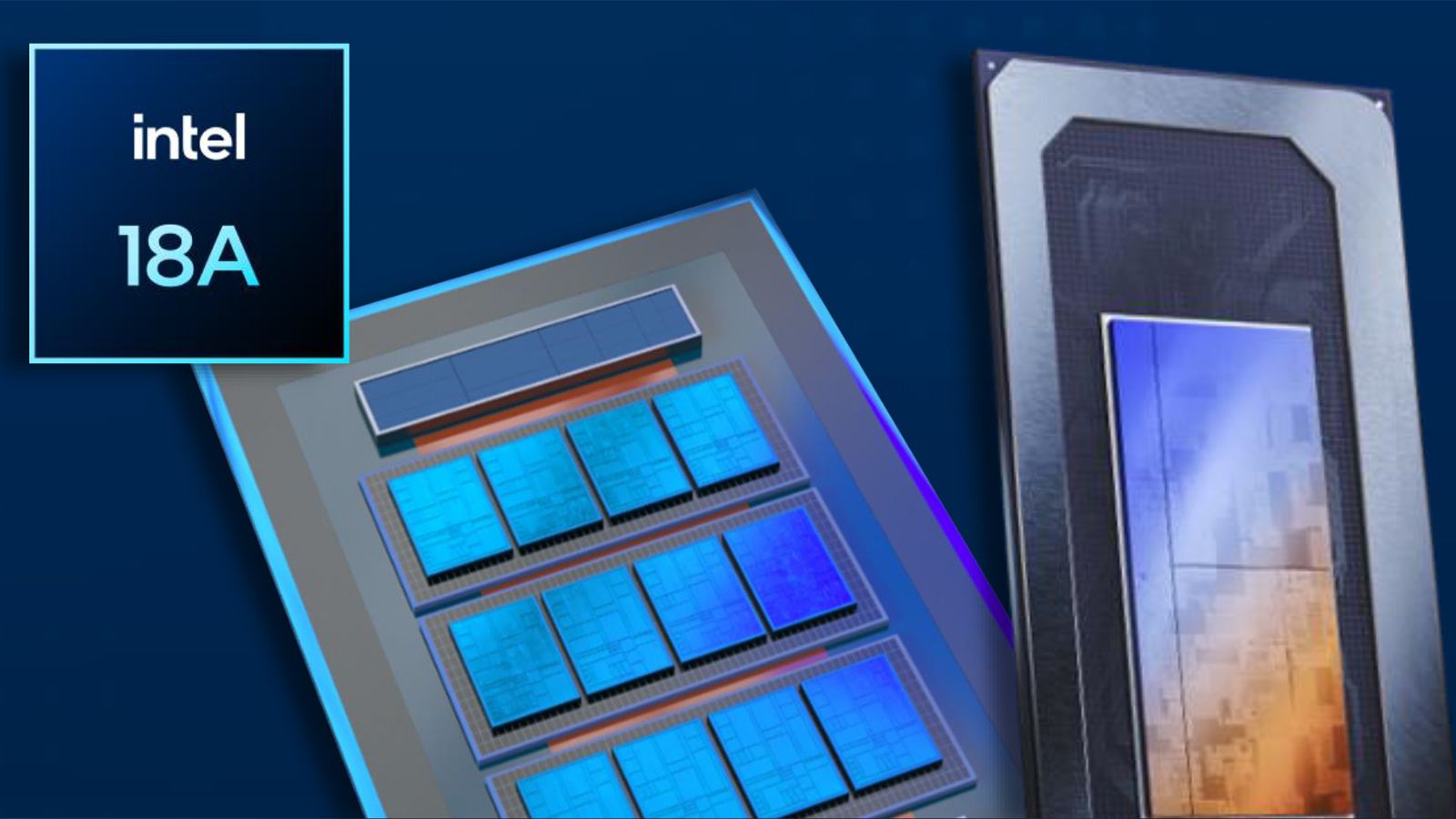
Intel made some progress on 18A yields in late 2025 , in time to start low-volume production of the company's Core Ultra 300-series 'Panther Lake' CPU tiles at a development facility in Oregon while beginning to ramp high-volume manufacturing at its Fab 32 in Arizona. Intel admitted that 18A yields were only set to reach industry standard levels in 2027 , but insisted that it was on the right trajectory. While it may indeed be on the right trajectory, Intel still suffers from process variability (though again, we do not know whether Intel means functional or parametric yields, though the latter is more likely), which is typical for early stages of HVM ramp.
"There is a lot of volatility, […] some wafers are yielding a lot less and some are yielding a lot more," Zinsner said. "[Tan] is actually focused a lot on trying to minimize the volatility wafer to wafer, and we have made good improvement there. […] I think we would expect a pretty steady yield progression as we go through this year, probably a bit ahead of schedule." If wafer-to-wafer parametric variation is high but improving, this is not something unusual, especially keeping in mind that Intel's 18A introduces gate-all-around RibbonFET transistors and backside power delivery, two previously unknown technologies. However, depending on how significant process variability is, parametric yield volatility creates capacity unpredictability, which makes supply planning hard. As a result, it is not surprising that Intel's CEO thought about ceasing the promotion of 18A as a foundry node, as the company did not have visibility on when it could offer it to external customers without creating supply constraints for itself.
Based on the recent rumors, a number of big fabless chip designers have evaluated Intel's 18A and 18A-P process technologies, though none have made any publicly-announced commitments to use the node. Nevertheless, it is possible that at least some of America's chip developers may outsource production of some of their non-core products to Intel in the coming years to increase production of their silicon in the U.S. to reduce their geopolitical risks associated with Taiwan and potential tariffs on chips made outside of America.
Follow Tom's Hardware on Google News , or add us as a preferred source , to get our latest news, analysis, & reviews in your feeds.
Get Tom's Hardware's best news and in-depth reviews, straight to your inbox.
Key considerations
- Investor positioning can change fast
- Volatility remains possible near catalysts
- Macro rates and liquidity can dominate flows
Reference reading
- https://www.tomshardware.com/tech-industry/semiconductors/SPONSORED_LINK_URL
- https://www.tomshardware.com/tech-industry/semiconductors/intel-ceo-recognizes-its-18a-node-for-external-customers-as-18a-p-gets-inbound-interest-company-cites-increasing-yields#main
- https://www.tomshardware.com
- NVIDIA DGX Spark Powers Big Projects in Higher Education
- Seagate begins shipping 44TB hard drives with HAMR tech to data centers — Mozaic 4+ platform expands to 10 platters
- Biwin Black Opal X570 Pro SSD Review: An 8TB unobtanium monster
- South Korean authorities lose over $4.8 million in crypto after posting mnemonic recovery phrase online — stolen PRTG tokens part of funds seized by National Ta
- China's top chip execs claim ASML alternative 'small, fragmented, and weak' — Chinese industry titans call for national effort to invest in advanced chipmaking
Informational only. No financial advice. Do your own research.