
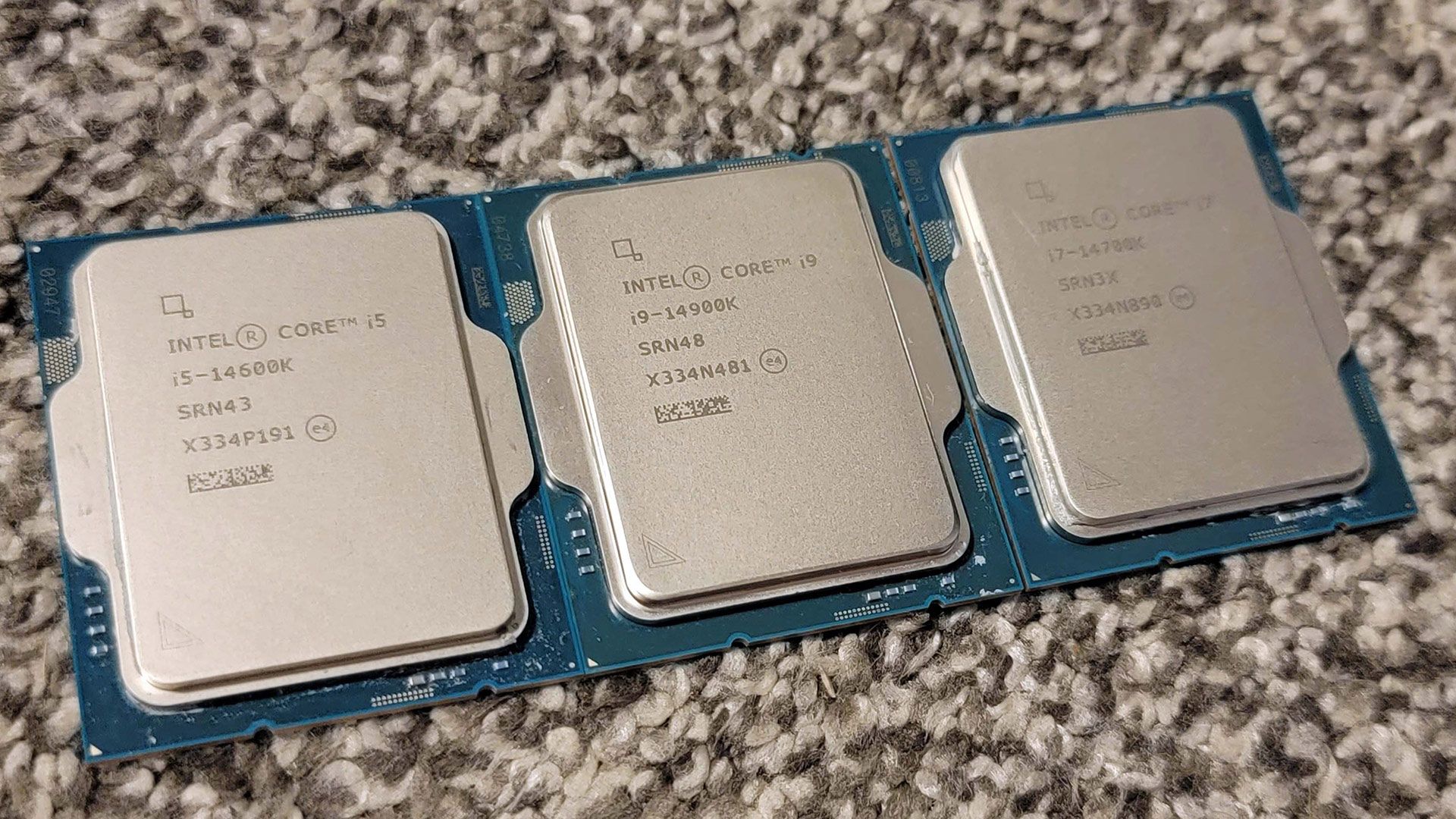
A cultural shift from future-proofing to buying the best value $/FPS system today seems to have taken hold in Q4 2025 and persists to this day.
At CES 2026, we also noticed more positives for Intel. Its next-gen Panther Lake chips for laptops were far more warmly welcomed than AMD’s Ryzen AI 400 series refresh. This won’t have started to trickle through to Steam survey results, of course, but Intel traditionally has stronger laptop-maker support, and Panther Lake should ensure that isn’t eroded in 2026.
Follow Tom's Hardware on Google News , or add us as a preferred source , to get our latest news, analysis, & reviews in your feeds.
Mark Tyson is a news editor at Tom's Hardware. He enjoys covering the full breadth of PC tech; from business and semiconductor design to products approaching the edge of reason. ","collapsible":{"enabled":true,"maxHeight":250,"readMoreText":"Read more","readLessText":"Read less"}}), "https://slice.vanilla.futurecdn.net/13-4-13/js/authorBio.js"); } else { console.error('%c FTE ','background: #9306F9; color: #ffffff','no lazy slice hydration function available'); } Mark Tyson Social Links Navigation News Editor Mark Tyson is a news editor at Tom's Hardware. He enjoys covering the full breadth of PC tech; from business and semiconductor design to products approaching the edge of reason.
anoldnewb Looking at the frequency data, Intel’s only gains come at in the 2 to 2.7 Ghz range and they lose share at higher frequencies. Does this reflect laptop vs desktop systems" If so, that would argue against any effect in the PC DIY space. Reply
Gururu This is such a poor survey as it lacks too many details to conclude anything about new systems. The GPU portion barely provides any details about AMD or Intel products. Reply
Neilbob Gururu said: This is such a poor survey as it lacks too many details to conclude anything about new systems. The GPU portion barely provides any details about AMD or Intel products. Yes, this. These articles continually make statements and conclusions that seem to assume the survey represents majority new systems, when it is completely clear that it does not. The very same CPU summary we are looking at here also shows, about a year ago, that Intel systems went from 62.6% to 68.8% share within a single month – a far more significant jump. However the very next month they drop right back down to 61.7%. This survey shows NOTHING but the fact that, in the short-term, the recipients polled is often highly variable and cannot be used as empirical evidence. Reply
Key considerations
- Investor positioning can change fast
- Volatility remains possible near catalysts
- Macro rates and liquidity can dominate flows
Reference reading
- https://www.tomshardware.com/pc-components/cpus/SPONSORED_LINK_URL
- https://www.tomshardware.com/pc-components/cpus/intel-clawed-back-cpu-market-share-from-amd-in-the-steam-hardware-survey-for-the-first-time-in-months-pc-component-crisis-could-be-pushing-builders-to-value-for-money-builds#main
- https://www.tomshardware.com
- AMD CEO downplays PC memory crunch, saying 'our focus areas are enterprise' — company wants to focus on growing 'higher-end of the market'
- $40 million worth of crypto stolen from Step Finance — hackers compromise executives’ devices to gain illicit access
- Secure a snappy gaming PC with an RTX 5060 and 16GB of DDR5 RAM for just $959 — MSI Codex R2 rig handles 1080p gameplay with a 10-core Intel CPU and 1TB of stor
- ‘Largest Infrastructure Buildout in Human History’: Jensen Huang on AI’s ‘Five-Layer Cake’ at Davos
- SpaceX acquires xAI in a bid to make orbiting data centers a reality — Musk plans to launch a million tons of satellites annually, targets 1TW/year of space-bas
Informational only. No financial advice. Do your own research.