
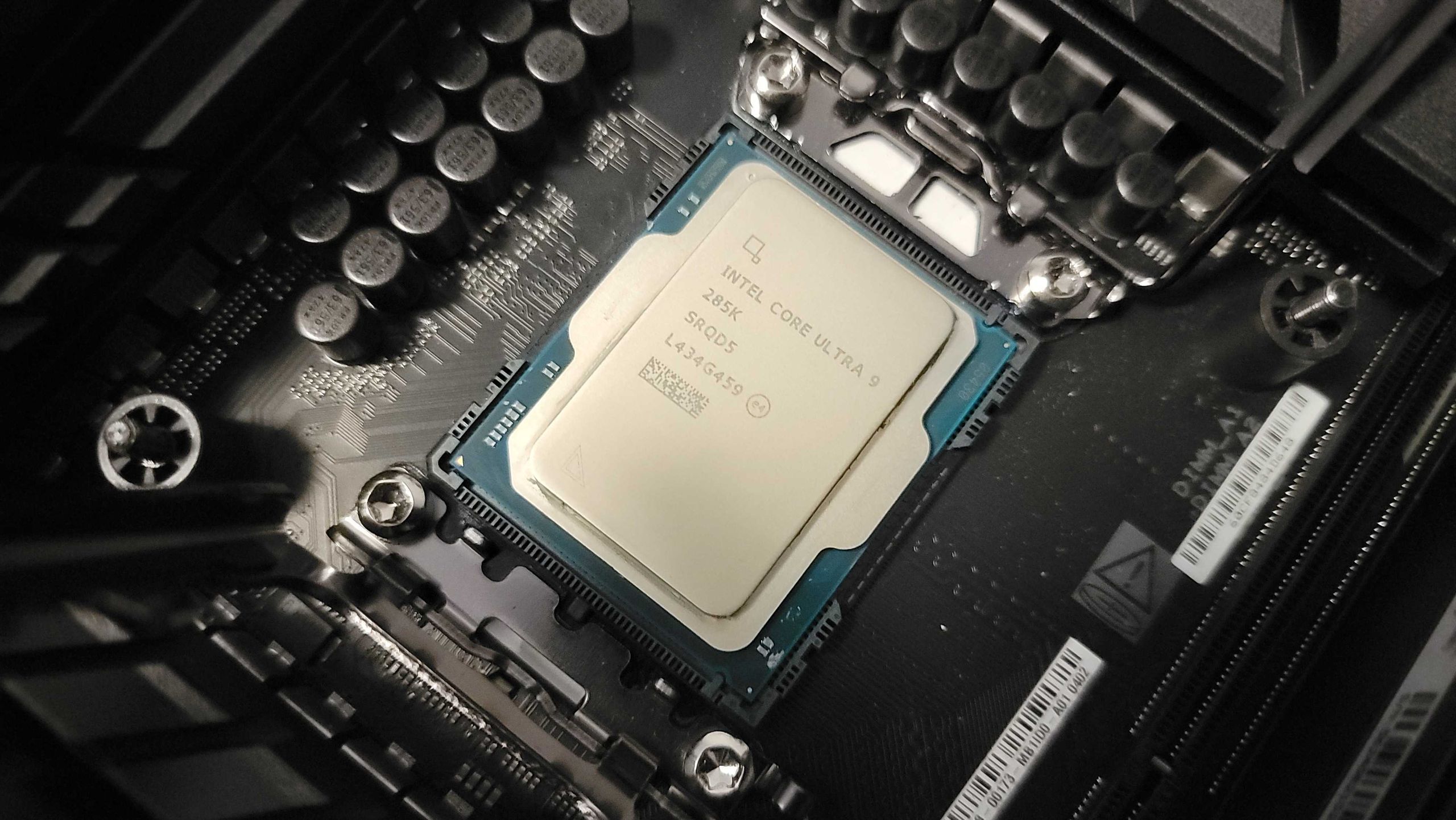
Intel neglected to share its reasons for cancelling the 290K Plus, but it is easy to guess why. Specs-wise, the chip was rumored to be a very minor boost over the 270K Plus, featuring the same core count and a 200-300MHz clock speed improvement over the 270K Plus, assuming the 290K Plus' rumored clock speeds were true. The lack of any additional cores would have made the 290K Plus a significantly worse product from a value perspective, assuming Intel was going to price the 290K Plus similarly to all of its previous flagships. Even if Intel undercut the 285K's MSRP by $100, the 270K Plus would likely still be a better value at its $300 MSRP.
But to give you an idea of its performance, previous benchmark leaks revealed that the Core Ultra 9 290K Plus was around 10-11% faster than the 285K in Geekbench 6 benchmarks. This shouldn't be interpreted as the actual performance difference between the two chips in real-world applications, but it gives us an idea of the 290K Plus' potential performance. We are also unsure if iBOT was enabled or not on the 290K either.
You may like Intel's upcoming Core Ultra 9 290K Plus posts ~10% better Geekbench scores than current flagship Intel's Arrow Lake Refresh judgment day is reportedly on March 23 Intel Core Ultra 5 250K Plus makes its Geekbench debut with 5.3 GHz boost clocks No Core Ultra 9 285K/295K Plus Special Edition Ditching a Special Edition part for Arrow Lake is arguably more surprising than ditching the 290K Plus. Intel has consistently released a Special Edition "KS" flagship every generation for the past several years. Intel first began shipping Special Edition chips with the Core i9-9900KS in 2019, skipped the 10th and 11th generations, then produced the i9-12900KS , i9-13900KS , and i9-14900KS . Intel again did not share its decision to cancel its "KS" product for Arrow Lake, but one reason could be that the 285K couldn't consistently hit 6 GHz; a mark previous KS releases have been able to surpass.
The Core Ultra 7 270K Plus and Core Ultra 5 250K Plus debuted this week as quite possibly Intel's last CPUs on the LGA 1851 socket. The new chips focus on improving the criticisms of Intel's previous Arrow-Lake S products, featuring higher clock speeds, four more E-cores, and a much lower MSRP compared to their vanilla Ultra 7 and Ultra 5 counterparts. The cherry on top is hardware integration for Intel's new iBOT tool that can boost IPC by solving inefficiencies in instructions sent to the CPU cores.
Follow Tom's Hardware on Google News , or add us as a preferred source , to get our latest news, analysis, & reviews in your feeds.
Get Tom's Hardware's best news and in-depth reviews, straight to your inbox.
Key considerations
- Investor positioning can change fast
- Volatility remains possible near catalysts
- Macro rates and liquidity can dominate flows
Reference reading
- https://www.tomshardware.com/pc-components/cpus/SPONSORED_LINK_URL
- https://www.tomshardware.com/pc-components/cpus/intel-confirms-rumored-core-ultra-9-290k-plus-has-been-scrapped-potential-core-ultra-9-285ks-special-edition-also-off-the-table-as-arrow-lake-refresh-rolls-out#main
- https://www.tomshardware.com
- Intel officially releases Xeon 600 chips, announces new vPro Panther Lake CPUs — ‘all-new’ vPro platform goes all-in on AI
- US Senators call for a halt to Nvidia GPU exports in the wake of the Super Micro scandal — looming Chip Security Act may put a wrench into Huang's China ambitio
- Blowing Off Steam: How Power-Flexible AI Factories Can Stabilize the Global Energy Grid
- GTC Spotlights NVIDIA RTX PCs and DGX Sparks Running Latest Open Models and AI Agents Locally
- The Future of AI Is Open and Proprietary
Informational only. No financial advice. Do your own research.