
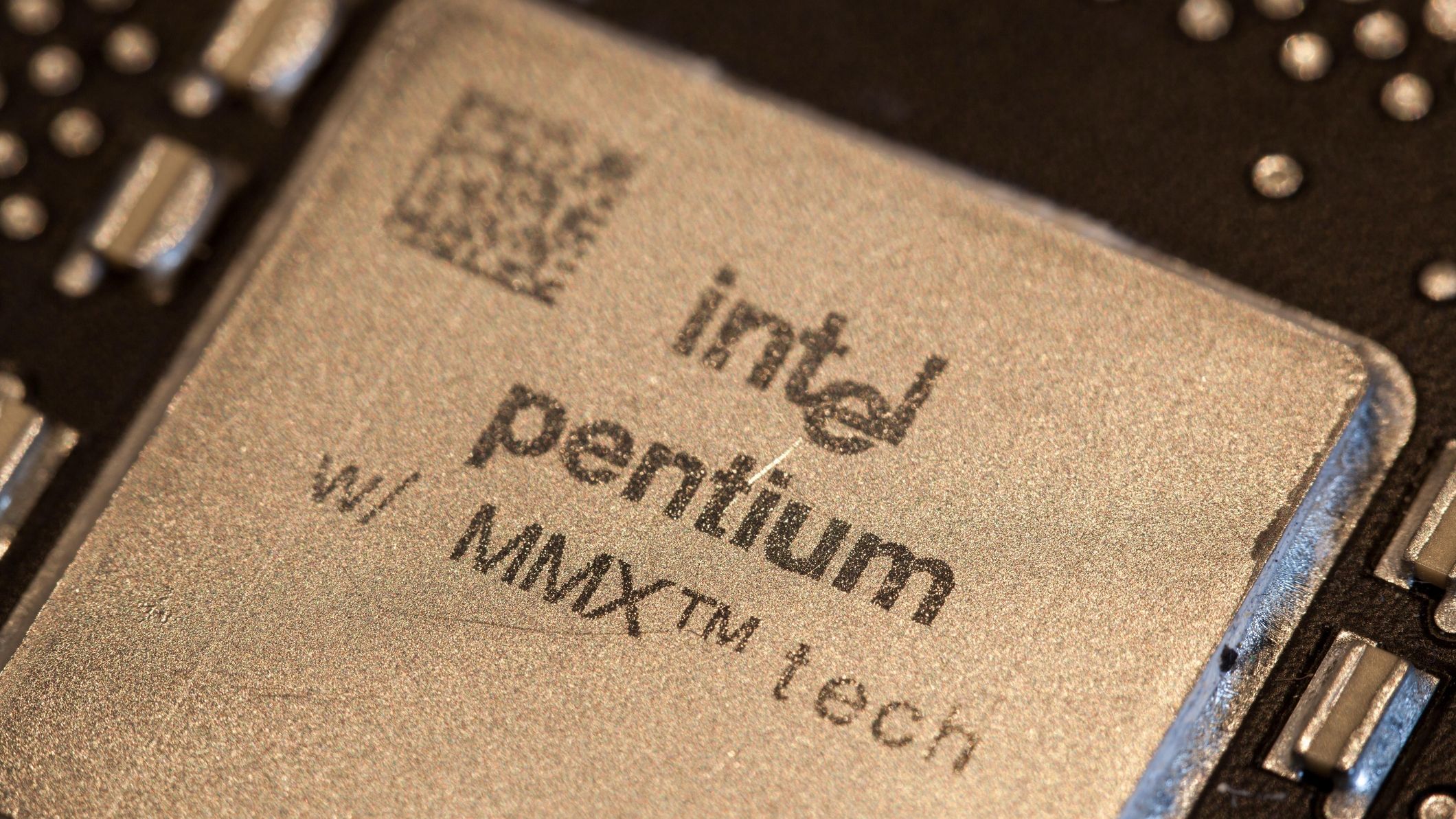
avatar4886 Admin said: Linux kernel 7.0 does away with 440BX EDAC driver Linux kernel 7.0 finally abandons the 28-year-old Intel 440BX chipset — driver removal marks goodbye to the legendary motherboard chipset : Read more Fix the cpu picture at the top of the article. The 440bx chips was for pentium 2 and 3 not the socket 7 based pentium mmx Reply
bit_user The title said: Linux kernel 7.0 finally abandons the 28-year-old Intel 440BX chipset — driver removal marks goodbye to the legendary motherboard chipset I rarely find fault with Bruno's articles, but this title is just outright wrong. They didn't drop support for the chipset driver. All they did was remove the code needed to support its EDAC functionality. The article touches on the point about the EDAC driver and what it does, but fails to mention that its EDAC driver has been broken for 19 years , without anyone noticing or bothering to fix it. Also, fails to clearly state that 440BX-based machines will still continue to work in other respects. In Linux, it's customary to drop code that no one is willing to step up and actively maintain. When a driver is dropped, anyone still using it has the option to stay on a LTS kernel release prior to when it was dropped. In this case, even if they stayed on a prior LTS kernel, they'd still need to devise a fix for it and patch their kernel with it. Finally, it's worth remembering that 440BX is so old that it supports neither SATA nor PCIe. Of course, you can use a PCI SATA controller card, if you wanted to use newer storage devices with it. But, since the supply of IDE drives has long since dried up, it's likely that most such systems were taken out of service after their HDD died and couldn't easily be replaced. Reply
bit_user Also, I've got to point out that ECC support for many Alder Lake and Raptor Lake CPUs is broken in the current Intel EDAC driver. The maintainer of that driver accepted at least one patch to fix a couple of those models, without even lifting a finger to deal with the others. Reply
mitch074 bit_user said: I rarely find fault with Bruno's articles, but this title is just outright wrong. They didn't drop support for the chipset driver. All they did was remove the code needed to support its EDAC functionality. The article touches on the point about the EDAC driver and what it does, but fails to mention that its EDAC driver has been broken for 19 years , without anyone noticing or bothering to fix it. Also, fails to clearly state that 440BX-based machines will still continue to work in other respects. In Linux, it's customary to drop code that no one is willing to step up and actively maintain. When a driver is dropped, anyone still using it has the option to stay on a LTS kernel release prior to when it was dropped. In this case, even if they stayed on a prior LTS kernel, they'd still need to devise a fix for it and patch their kernel with it. Finally, it's worth remembering that 440BX is so old that it supports neither SATA nor PCIe. Of course, you can use a PCI SATA controller card, if you wanted to use newer storage devices with it. But, since the supply of IDE drives has long since dried up, it's likely that most such systems were taken out of service after their HDD died and couldn't easily be replaced. Well, we're talking a 25+ years old chipset, which is still used as the basis for many VM. It was also the best chipset Intel offered before they went nuts on RAMBUS and Netburst for almost half a decade, and it was supremely stable – even without ECC, you could throw pretty much any stick of RAM at it and it would run it at max clock speed with ridiculous latency – Abit B*6 motherboards were well-known for that. I knew the chipset supported ECC on server boards (it actually supports dual CPU setups and was the basis for many a cheap servers using hacked Celerons to run at 2*450 MHz), but even without it (and let's be frank, nobody missed it in the 19 years the driver has been broken), you could still run a nice server off of it using a couple GHz P-III processors and a SCSI controller card. As for the lack of IDE drives for boot, there's actually a very easy workaround : CompactFlash cards and a dumb adapter. 100% compatible, all brand new, quite cheap, no latency and can saturate the UDMA 33 IDE controller's bandwidth easily – perfect retrogaming machine. Last time I tinkered with one, the biggest problem I had was having the AGP port work at full speed. Reply
Tbonius This brings back memories. I had an ASUS CUBX-E motherboard and with a coppermine processor and micron ram, I had the front bus clocked to 150. Man, that thing was a go'er. Reply
Key considerations
- Investor positioning can change fast
- Volatility remains possible near catalysts
- Macro rates and liquidity can dominate flows
Reference reading
- https://www.tomshardware.com/software/linux/SPONSORED_LINK_URL
- https://www.tomshardware.com/software/linux/linux-kernel-7-0-finally-abandons-intel-440bx-edac-driver-removal-marks-another-goodbye-to-the-legendary-motherboard-chipset#main
- https://www.tomshardware.com
- Advanced Pentagon laser weapon shot down party balloons instead of drone by mistake, says report — airport shut down after Customs and Border Protection mistake
- AMD Ryzen 7 9850X3D vs Ryzen 7 9800X3D faceoff — an extra $30 buys you very little performance
- Save up to $1,250 off an Alienware gaming computer in the President's Day weekend sale — laptop and desktop gaming PCs show massive discounts
- Notorious 'Archive Today' website allegedly leads bizarre DDoS campaign against security blogger — Wikipedia considers removing all links to the Archive
- DXRacer Martian Pro Red Triangle review: Built for the fans
Informational only. No financial advice. Do your own research.