
teckel12 This was a big deal, I received a 1 GHz Athlon mouse pad as some advertising promotion. Meanwhile, I was running some slow 133 MHz Cyrix clone 6×86 (M1) CPU that constantly overheated trying to play Quake. But, I had the 1 GHz mouse pad. Reply
thestryker EzzyB said: This resulted in one of the most unusual CPU releases ever when, to get to 1Ghz, they released the Intel Tualatin processor. (Note that Tualatin was NOT Coppermine) Coppermine hit 1 GHz fine it was the 1.13 GHz model which didn't work right and had to be recalled. I believe they eventually released one or two above 1 GHz but it was largely irrelevant by that time. EzzyB said: It was technically a server chip, though the Xeon name hadn't been used at that time. There were multiple Tualatin CPUs and the server ones were named PIII-S. I have my dual PIII-S 1.4GHz system in storage as I have lots of fond memories. EzzyB said: actually had hyperthreading None had hyperthreading, but they did support dual socket configurations. EzzyB said: While it used the same socket as the P-III it needed a different chipset that enabled an additional pin in the socket. It wasn't an additional pin, but rather a shift of what the pin did. I want to say it was one of the power delivery pins holding a different value. EzzyB said: Overall the chip ran quite well and compared to the Athlon and P-IV right up until you did something memory intensive (similar to Athlon) and then the higher bus/memory speeds of the P-IV would kick in and it would prevail in memory intensive stuff. My system used a Via Apollo chipset with DDR support. While I picked it because I was using dual CPUs and they shared memory bandwidth it also had advantages on memory intensive software. Reply
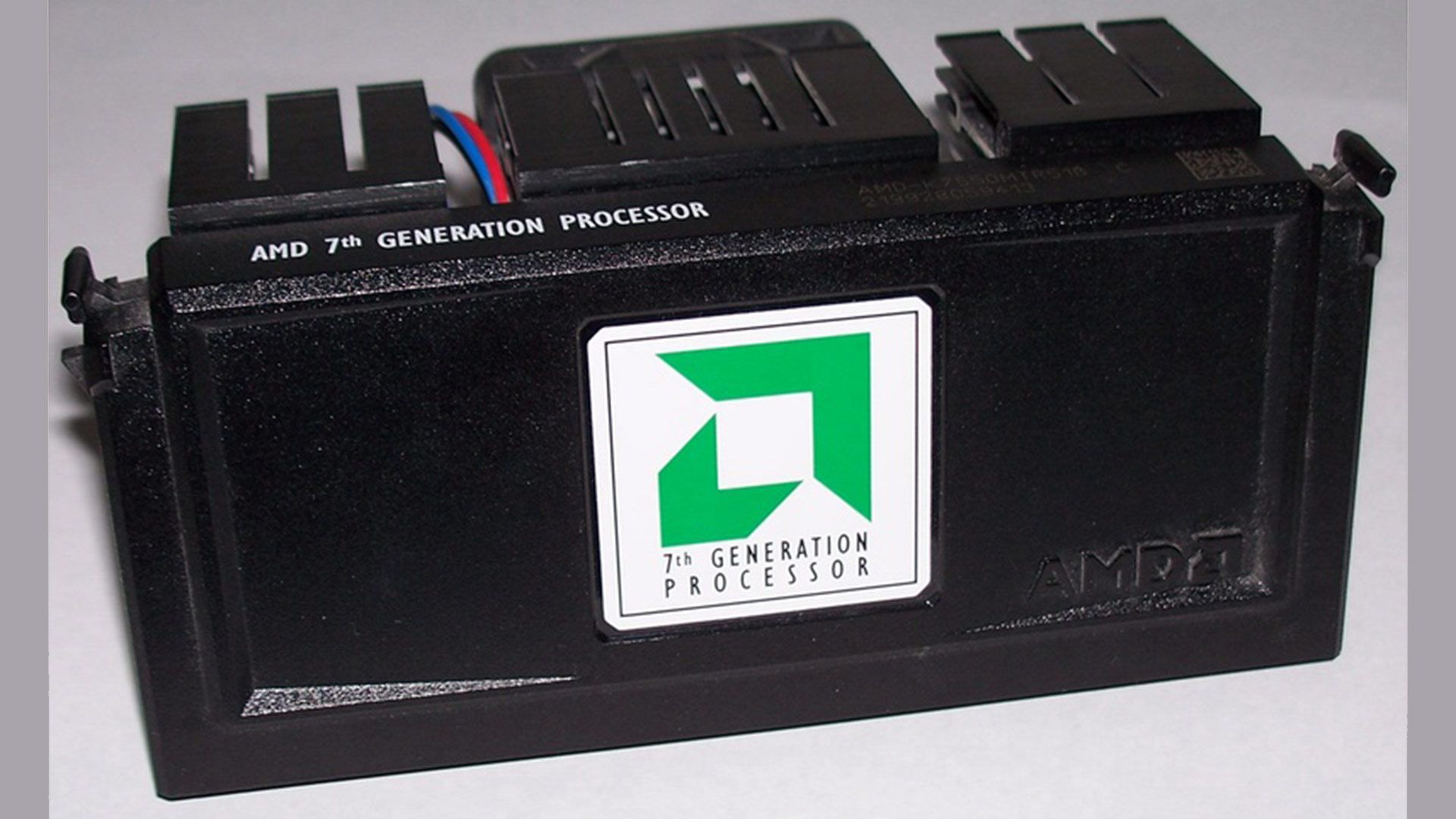
warezme OMG, I had totally forgotten Slot A! Dang blast from the past. I remember having one of those. Reply
80251 DEC's Alpha was the first Ghz. CPU and it predated anything from Intel and/or AMD. RIP DEC. Reply
Thunder64 thestryker said: Coppermine hit 1 GHz fine it was the 1.13 GHz model which didn't work right and had to be recalled. I believe they eventually released one or two above 1 GHz but it was largely irrelevant by that time. There were multiple Tualatin CPUs and the server ones were named PIII-S. I have my dual PIII-S 1.4GHz system in storage as I have lots of fond memories. None had hyperthreading, but they did support dual socket configurations. It wasn't an additional pin, but rather a shift of what the pin did. I want to say it was one of the power delivery pins holding a different value. My system used a Via Apollo chipset with DDR support. While I picked it because I was using dual CPUs and they shared memory bandwidth it also had advantages on memory intensive software. You nailed just about everything I was going to say. I would only like to add that the Athlon/P-III didn't "choke" because of lack of memory bandwidth. The P4 wasn't really a bandwidth monster until the P4C anyway (excluding horrible RDRAM). The P4 simply needed that bandwidth to keep its long pipeline full especially after mispredicts. What the P4 did do very well eventually was SSE2 once software caught up. Athlon/P-III lacked it and it was a huge step forward from 3DNow!/SSE in many areas. Media transcoding comes to mind. Reply
razor512 Due to pricing back then, I had to settle for an anemic AMD Duron CPU back then. The design did pretty well for bare die cooling. https://i.imgur.com/m0h5OVW.jpeg Reply
Key considerations
- Investor positioning can change fast
- Volatility remains possible near catalysts
- Macro rates and liquidity can dominate flows
Reference reading
- https://www.tomshardware.com/pc-components/cpus/SPONSORED_LINK_URL
- https://www.tomshardware.com/pc-components/cpus/pc-processors-entered-the-gigahertz-era-today-in-the-year-2000-with-amds-athlon-amd-hit-marketing-gold-with-its-1-ghz-athlon-beat-intel-by-a-nose#main
- https://www.tomshardware.com
- Car powered by 500 disposable vape batteries boasts 18-mile range, 35mph top speed, USB-C charging port — early 2000s Reva G.Wiz gets a makeover
- NVIDIA DGX Spark Powers Big Projects in Higher Education
- NVIDIA DGX Spark Powers Big Projects in Higher Education
- Go beyond the review with Bench, the deepest consumer hardware benchmarking database on the internet — compare hundreds of products across a range of categories
- OpenAI's massive Stargate data center canceled as firm can't reach terms with Oracle, operator struggles with reliability issues — Meta said to be interested in
Informational only. No financial advice. Do your own research.