
State-funded Rassvet internet constellation aims for 900 LEO satellites by 2035.
When you purchase through links on our site, we may earn an affiliate commission. Here’s how it works .
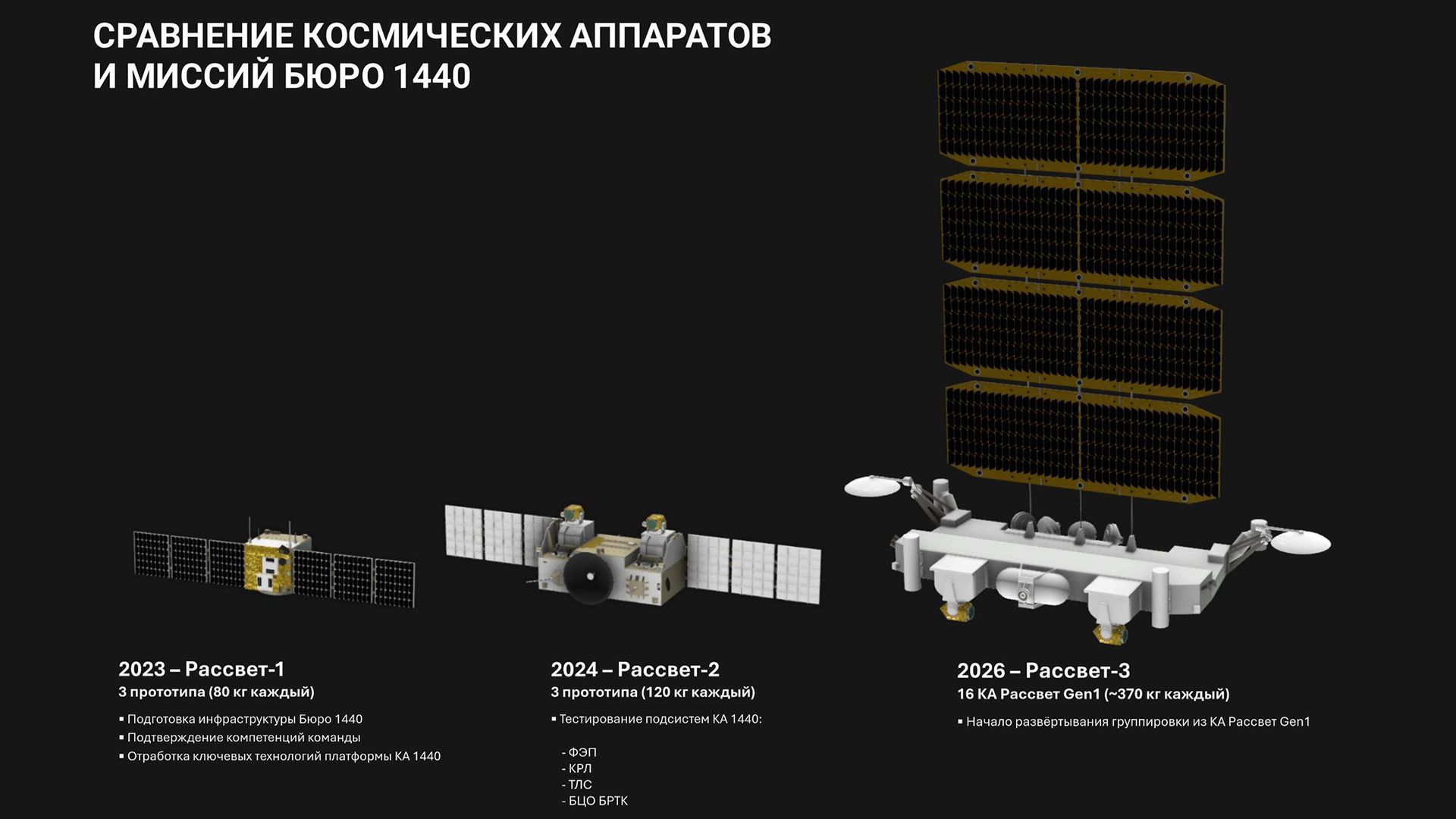
Russia has at last begun to deliver on its plans to establish a domestic state-funded rival to Elon Musk’s Starlink, reports The Moscow Times . The launch of the first 16 satellites , said to form the foundation of a constellation of 900 by 2035, was supposed to have happened in Q4 last year. The so-called Rassvet system aims to expand to 250 LEO satellites next year, when it will become a domestic commercial alternative to Starlink.
Something was launched from Plesetsk cosmodrome less than an hour ago pic.twitter.com/hqAMMRfjMy March 23, 2026
A private aerospace outfit called Bureau 1440 appears to be the key tech partner of the government for this state venture. Scientists/engineers from this company are set to complete system checks on the newly launched 16 orbiters. When checks are finished, they will be moved into their target orbit positions.
So, 16 out of 900 might sound like a drop in the ocean of space, but this first step was probably one of the most difficult. Alexei Shelobkov, CEO of Bureau 1440’s parent company, ICS Holding, said that Rassvet’s deployment is going to see dozens more launches. A quick prod of the calculator suggests that just 15 more launches (with batches of 16 satellites) will be required to hit the 250 constellation target for sometime in 2027.
You may like FCC approves 7,500 additional Starlink Gen2 satellites for higher throughput and lower latency worldwide Russian 'Inspector' spacecraft intercepted communications from a dozen European satellites, report claims SpaceX plans to deploy 1-million-satellite Orbital Data Center system
The Russian government has reportedly set aside the equivalent of $1.26b to help develop Rassvet. If you think it is good to see the Russian state investing in non-military infrastructure, remember that it coincidentally lost Starlink access only last month. That’s when SpaceX implemented its new whitelist-only policy to replace the previously ineffectual measures that were in place. Surely that would have put pressure on Rassvet development teams to get on with it.
Follow Tom's Hardware on Google News , or add us as a preferred source , to get our latest news, analysis, & reviews in your feeds.
Get Tom's Hardware's best news and in-depth reviews, straight to your inbox.
Key considerations
- Investor positioning can change fast
- Volatility remains possible near catalysts
- Macro rates and liquidity can dominate flows
Reference reading
- https://www.tomshardware.com/networking/SPONSORED_LINK_URL
- https://www.tomshardware.com/networking/russian-starlink-rival-established-with-16-satellites-launched-aims-for-900-by-2035-commercial-operation-to-begin-next-year-with-250-sputniks#main
- https://www.tomshardware.com/subscription
- NVIDIA Virtualizes Game Development With RTX PRO Server
- Trump administration targets $4 trillion Pax Silica investment fund for semiconductors — the US will start with a $250 million investment for global consortium
- LG produces the world's first mass-production LCD laptop display capable of 1 Hz to save power — OLED version arriving in 2027
- AYANEO's upcoming Next 2 handheld gaming console shelved due to rising component prices — company stops preorders for the $1,999 Strix Halo device
- Into the Omniverse: How Industrial AI and Digital Twins Accelerate Design, Engineering and Manufacturing Across Industries
Informational only. No financial advice. Do your own research.