
When you purchase through links on our site, we may earn an affiliate commission. Here’s how it works .
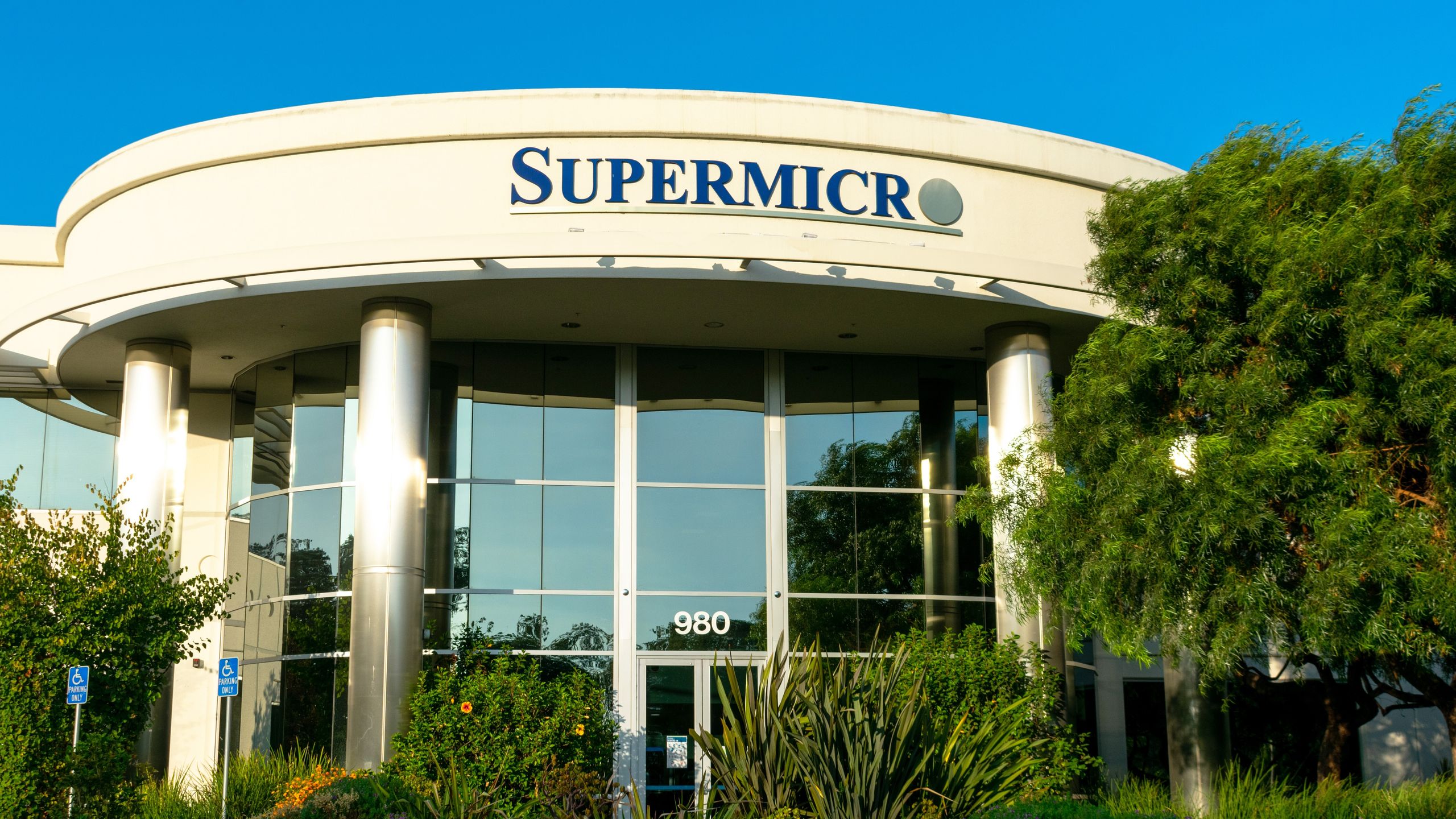
Super Micro Computer co-founder Yih-Shyan "Wally" Liaw pleaded not guilty on Wednesday in a Manhattan federal court to charges that he helped illegally divert billions of dollars' worth of Nvidia-powered servers to China, Bloomberg reported. Co-defendant Ting-Wei "Willy" Sun, an outside contractor described by prosecutors as a "fixer" in the smuggling scheme, also entered a not-guilty plea at the hearing before U.S. District Judge Edgardo Ramos.
Liaw has been released on a $5 million bond, while Sun's lawyer told the judge that he's negotiating a bail package with prosecutors. The third defendant, Ruei-Tsang "Steven" Chang, a former general manager in Super Micro's Taiwan office, is not in U.S. custody. Judge Ramos set a November 2 trial date for the case.
Federal prosecutors allege that Liaw, Chang, and Sun conspired to sell U.S.-assembled servers containing Nvidia's export-controlled AI chips to Chinese customers through an unidentified Southeast Asian pass-through company. The case is the highest-profile prosecution yet in the U.S. government's crackdown on the alleged smuggling of restricted AI chips to China.
You may like Supermicro employees accused of smuggling $2.5 billion worth of Nvidia hardware to China Super Micro shareholders sue company over securities fraud after AI chip smuggling bust The Super Micro AI accelerator smuggling scandal proves how cut-throat the global AI race has become — as global trade evolves, so does export control evasion The scheme reportedly involved swapping serial number stickers from real servers onto non-functioning dummy units using heat guns, then shipping the genuine hardware onward to China with fabricated paperwork. CCTV footage captured workers using heat guns to swap the serial numbers at a Southeast Asian warehouse. Prosecutors estimate the operation generated roughly $2.5 billion in sales since 2024, with shipments between April and May 2025 alone being valued at over $500 million.
The charges, unsealed on March 19, immediately hammered Super Micro's stock price, erasing more than $6 billion from the company's market cap, with the stock falling roughly 33% in a single session. Liaw has since resigned from Super Micro's board of directors.
Super Micro itself isn’t named as a defendant in the indictment, but acknowledged that the three accused individuals are "associated" with the company in an official statement. The server maker called the alleged conduct a violation of its internal policies and said it maintains a compliance program covering U.S. export and re-export control laws. Nvidia also distanced itself from the scheme, telling Tom's Hardware that strict compliance is a priority and that it does not provide service or support for unlawfully diverted systems.
U.S. Senators Jim Banks and Elizabeth Warren wrote to Commerce Secretary Howard Lutnick, urging a pause on all active export licenses for advanced Nvidia AI chips headed to China and Southeast Asian intermediaries. Shareholders have also filed a securities fraud lawsuit against Super Micro, alleging the company concealed its dependence on revenue from illicit sales.
Get Tom's Hardware's best news and in-depth reviews, straight to your inbox.
Key considerations
- Investor positioning can change fast
- Volatility remains possible near catalysts
- Macro rates and liquidity can dominate flows
Reference reading
- https://www.tomshardware.com/tech-industry/SPONSORED_LINK_URL
- https://www.tomshardware.com/tech-industry/super-micro-co-founder-wally-liaw-pleads-not-guilty-to-nvidia-smuggling-charges#main
- https://www.tomshardware.com
- Blowing Off Steam: How Power-Flexible AI Factories Can Stabilize the Global Energy Grid
- Artemis II astronaut finds two Outlook instances running on computers, calls on Houston to fix Microsoft anomaly — puzzled caller describes ‘two Outlooks, and n
- PC makers report surging prices across different components — increasing costs are going beyond memory chip and processors, now affecting PCBs, plastic material
- Artemis II will use laser beams to live-stream 4K moon footage at 260 Mbps — one giant step beyond the S-band radio comms of the Apollo era
- China's homegrown silicon suppliers gain traction as Nvidia struggles to get its chips into the market — Huawei, Cambricon and more step up to fill crucial mark
Informational only. No financial advice. Do your own research.