
Jowi Morales Social Links Navigation Contributing Writer Jowi Morales is a tech enthusiast with years of experience working in the industry. He’s been writing with several tech publications since 2021, where he’s been interested in tech hardware and consumer electronics.
pug_s The only thing I can say is good luck. I doubt that Korea has expertise to extract the rare earths efficiently as the Chinese. Reply
thestryker pug_s said: The only thing I can say is good luck. I doubt that Korea has expertise to extract the rare earths efficiently as the Chinese. You can doubt all you like but the company in question has been doing it longer than the Chinese industry has existed. The real concern should be the ability to build that much capacity and staff the business in the US. Reply
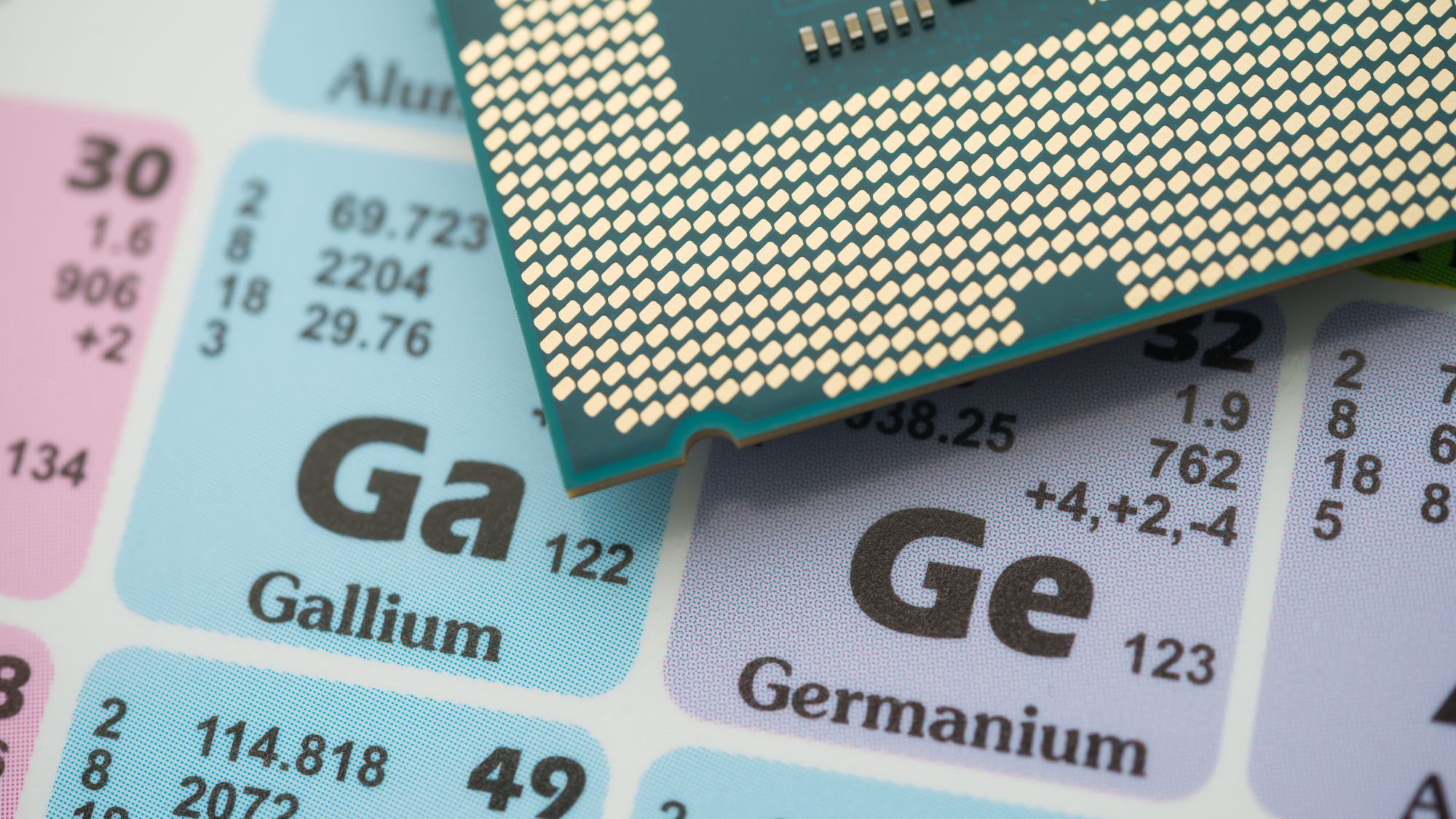
twin_savage The article could use a little context. The USA only consumes about 400 tons of the metal's listed in the article per year, so quoting 540,000 tons is confusing without highlighting what the bulk of that material is. Reply
anoldnewb thestryker said: "The real concern should be the ability to build that much capacity and staff the business in the US." After the ICE raid on the Korean Battery plant under construction, it may be hard to recruit the Koreans necessary to oversee the construction and startup of the rare earth metals refinery. https://www.tennessean.com/story/money/cars/2025/09/12/south-korean-factory-workers-flee-spring-hill-tennessee-hyundai-raid/86096234007/ Korean equipment engineers are often sent to the U.S. to “help set up and fine-tune production equipment” and train local employees, the unnamed source told Reuters. They often spend months at the company’s U.S. factories helping ramp up production, according to the source. Many of the Georgia detainees held Electronic System for Travel Authorization visa waivers or B-1 temporary business traveler visas, according to Reuters. Those documents do not allow non-citizens to work in the U.S. in construction or equipment installation. In the aftermath of the Sept. 4 raid, Korean employees at the company’s Spring Hill, Tenn. operation left the U.S., citing growing concerns over visa status and legal uncertainty, according to a Reuters report. Reply
George³ twin_savage said: The article could use a little context. The USA only consumes about 400 tons of the metal's listed in the article per year, so quoting 540,000 tons is confusing without highlighting what the bulk of that material is. Rather, it will be able to process so much concentrate from ground ore. How many pure elements will be extracted is not an interesting number. It is too little to advertise the factory. Reply
twin_savage George³ said: Rather, it will be able to process so much concentrate from ground ore. How many pure elements will be extracted is not an interesting number. It is too little to advertise the factory. That 540,000 tons figure from the article is the output though, so presumable commercially pure grade elements. I ended up finding another article about the deal and the vast vast majority of the output is zinc, lead and copper; which makes sense now that I think about it since the "rare earths" mentioned in the Toms article are basically only produced as byproducts of refinement of those three metals. Reply
jwnm With the new battery tech set for production next year by the time this comes out lithium will be a thing of the past. We will still need other metals for other production but the writing is on the wall for lithium. Reply
Key considerations
- Investor positioning can change fast
- Volatility remains possible near catalysts
- Macro rates and liquidity can dominate flows
Reference reading
- https://www.tomshardware.com/tech-industry/SPONSORED_LINK_URL
- https://www.tomshardware.com/tech-industry/trump-secures-deal-with-korea-zinc-to-build-rare-earths-processing-facility-in-tennessee-facility-expected-to-have-annual-output-of-540-000-tons-of-gallium-germanium-indium-and-other-resources#main
- https://www.tomshardware.com
- 5D glass storage 'memory crystals' promise up to 13.8 billion years of data storage resilience, which is roughly the age of the universe — crams 360 terabytes i
- Robots’ Holiday Wishes Come True: NVIDIA Jetson Platform Offers High-Performance Edge AI at Festive Prices
- NVIDIA Awards up to $60,000 Research Fellowships to PhD Students
- Amazon unveils 192-core Graviton5 CPU with massive 180 MB L3 cache in tow — ambitious server silicon challenges high-end AMD EPYC and Intel Xeon in the cloud
- New app injects AMD's AI-driven FSR Redstone framegen into unsupported games — pre-alpha OptiScaler build demo shows nice improvements over legacy FSR frame gen
Informational only. No financial advice. Do your own research.