
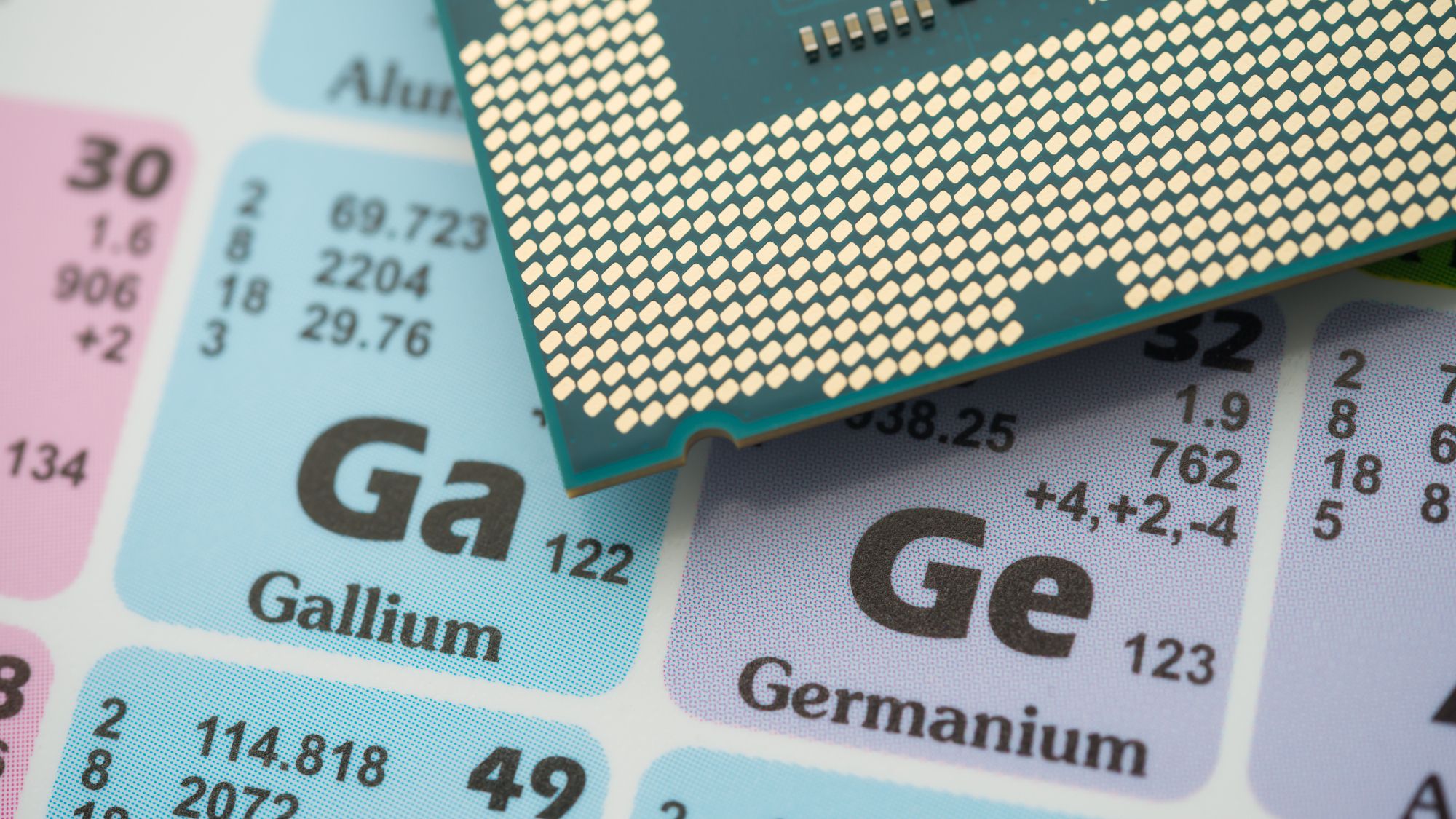
The company says SiC and related technologies are “critical to next generation power and radio-frequency applications across defense, aerospace, AI, critical infrastructure and other strategic commercial markets,” and that it will focus on U.S. national security applications, including communications infrastructure and electronic warfare systems. “SiC and GaN have critical national security applications,” said Wolfspeed CEO Robert Feurle. “With this financing, the company would be well positioned to not only continue to serve the DoW but also expand its capabilities for the benefit of U.S. national security as a whole,” he continued.
Under the terms of the loan — which is subject to final agreements — Wolfspeed is required to issue the DoW warrants to buy up to 7.5% of its fully diluted equity. The warrants would be priced off the stock's volume-weighted average price (VWAP) and handed over in proportion to each tranche of the loan as it's funded. As of this report, the loan remains conditional, pending the OSC’s completion of its due diligence. Wolfspeed also needs to secure government approvals and appropriations, as well as the consent of its existing lenders. The company itself warns there's no guarantee the financing will go through.
“This conditional 30-year commitment represents another significant milestone in our ongoing efforts to optimize Wolfspeed’s capital structure and improve our financial foundation,” said Wolfspeed CFO Gregor van Issum. “Subject to the satisfaction of diligence, negotiation of definitive agreements, and other financial, legal, and investment conditions, the broader commitment is expected to provide additional long-dated capital to support our strategic priorities, improve financial flexibility, and further position Wolfspeed for long-term value creation.”
The announcement marks the U.S.’s latest move to onshore critical semiconductor manufacturing and strengthen the domestic supply chain, combining direct capital subsidies, major tax incentives, and strict regulatory changes . Through the $54.2 billion CHIPS and Science Act , the U.S. government has injected billions into massive fabrication facilities for industry leaders like TSMC, Intel, GlobalFoundries, and Micron, while simultaneously utilizing the Section 48D Advanced Manufacturing Investment Credit to offer a 25% tax credit that has led to over $827 billion in private sector announcements.
Micron commits $500 million to GlobalWafers' Texas wafer plant as it raises U.S. spending to $250 billion
GlobalFoundries to produce silicon interposers for TSMC's CoWoS in the US — Five-year agreement valued at $2 billion
Intel closes out RAMP-C production pilot that paid Nvidia and others to run test chips on 18A
Follow Tom's Hardware on Google News , or add us as a preferred source , to get our latest news, analysis, & reviews in your feeds.
Get Tom's Hardware's best news and in-depth reviews, straight to your inbox.
Key considerations
- Investor positioning can change fast
- Volatility remains possible near catalysts
- Macro rates and liquidity can dominate flows
Reference reading
- https://www.tomshardware.com/tech-industry/semiconductors/SPONSORED_LINK_URL
- https://www.tomshardware.com/tech-industry/semiconductors/department-of-war-dishes-out-usd1-5-billion-loan-commitment-to-boost-semiconductor-supply-chain-wolfspeed-to-focus-on-national-security-applications-as-part-of-30-year-agreement#main
- https://www.tomshardware.com/membership
- Contain the Chaos: ‘CONTROL Resonant’ Launches on GeForce NOW
- At AI Day Singapore, NVIDIA and Partners Showcase AI Advancements Across Southeast Asia
- Software could be the easiest fix for hyperscalers' AI power squeeze, researchers say
- How NVIDIA GPUs Help Accelerate OpenAI’s GPT-6 Astra Ultrafast
- U.S. suspends green card path for H-1B workers at Microsoft and Adobe — labor certification program blocked due to alleged fraud
Informational only. No financial advice. Do your own research.