
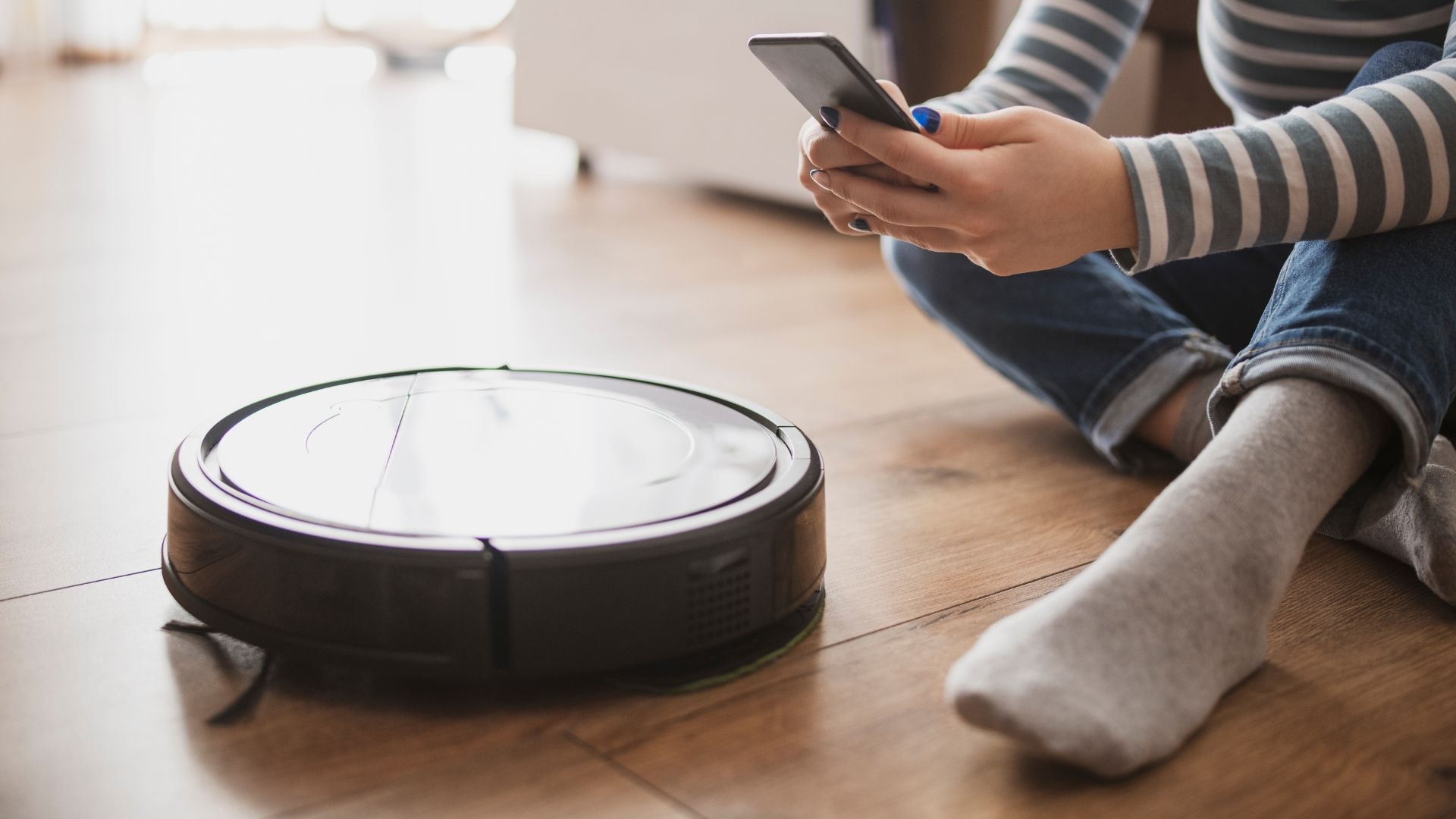
bit_user Not to side entirely with the manufacturer on this, but I can imagine reasons they might not want their robots operating without telemetry. For instance, being able to monitor that they're operating within safe parameters – especially where they might face some liability for damages or injuries caused by the robot. It's not necessarily about spying or monetizing people's personal data. Given that there's nothing time-sensitive about this story, Toms really should've reached out to the manufacturer, for comment. Maybe they would've given a typical non-answer, but you don't know if you don't ask. Also, it's a way you could've added value to the story, over and above merely summarizing someone's blog. Reply
Devoteicon All this over a vacuum cleaner. :ROFLMAO: What a time to be alive. Reply
hotaru251 bit_user said: For instance, being able to monitor that they're operating within safe parameters – especially where they might face some liability for damages or injuries caused by the robot. #1 based on claims the customers aren't even aware its sending data let alone tracking it. #2 even IF they knew you can have it monitor that stuff w/o need to send it to a server. (small bit of on board memory to handle periodic data that overwrites itself on next check. bonus #3: can avoid any liability by having it in the ToU. bit_user said: It's not necessarily about spying or monetizing people's personal data. when its not done for personal data it is done for profit in other ways such as data to improve the thing in future (which IS profit as saves them having to do the situations themself) point is it was manufacturers who didn't inform users & actively tried to brick the device multiple times. Reply
bit_user hotaru251 said: #1 based on claims the customers aren't even aware its sending data let alone tracking it. It's an IoT device that requires network connectivity. It's obviously sending and receiving something . hotaru251 said: #2 even IF they knew you can have it monitor that stuff w/o need to send it to a server. (small bit of on board memory to handle periodic data that overwrites itself on next check. You assume they know specifically what to look for. As a product ages, the manufacturer might start to see patterns in the types of failures which occurs and be able to fine-tune their failure model to predict these problems and disable the robot, before one of them occurs. hotaru251 said: bonus #3: can avoid any liability by having it in the ToU. In many jurisdictions, laws would prevent enforcement of such terms. Otherwise, every company would just do that and product liability would no longer be a thing. hotaru251 said: point is it was manufacturers who didn't inform users & actively tried to brick the device multiple times. They obviously should've had some way to flag the problem to the user. At the very least, the service center should've been informed to look for that particular issue and bring it to the owner's attention. On the flip side, if it's sufficiently rare, maybe they just decided not to handle it and let the user assume it failed due to some defect or malfunction and get a different vacuum. I do wonder whether it was a contract repair center, rather than the actual manufacturer who was servicing it. These days, a lot of brands don't have their own repair network, but instead use contract repair services. That might explain why the repair techs weren't more knowledgeable or helpful. Reply
bit_user Devoteicon said: All this over a vacuum cleaner. :ROFLMAO: What a time to be alive. Oh, there are even smaller, cheaper, and simpler IoT devices that might do things you don't like, such as LED light bulbs! Reply
ottonis bit_user said: It's an IoT device that requires network connectivity. It's obviously sending and receiving something . Yeah, but that's entirely irrelevant for the topic at hand. The device didn't stop working because it needed the telemetry but because a sinister dude from wherever in the world killed the device remotely. Reply
palladin9479 ottonis said: Yeah, but that's entirely irrelevant for the topic at hand. The device didn't stop working because it needed the telemetry but because a sinister dude from wherever in the world killed the device remotely. Service side is likely programmed to kill any unit not reporting in all that data for resale. These "smart" IoT devices are just data collectors for the companies real business, selling data to brokers. Reply
Key considerations
- Investor positioning can change fast
- Volatility remains possible near catalysts
- Macro rates and liquidity can dominate flows
Reference reading
- https://www.tomshardware.com/tech-industry/big-tech/SPONSORED_LINK_URL
- https://www.tomshardware.com/tech-industry/big-tech/manufacturer-issues-remote-kill-command-to-nuke-smart-vacuum-after-engineer-blocks-it-from-collecting-data-user-revives-it-with-custom-hardware-and-python-scripts-to-run-offline#main
- https://www.tomshardware.com
- Stressed-out AI-powered robot vacuum cleaner goes into meltdown during simple butter delivery experiment — ‘I'm afraid I can't do that, Dave…’
- Anycubic Early Black Friday 3D Printers deals begin with up to 39% off — massive savings on printers and accessories beginning today
- Linux gamers won't be affected by RX 5000/6000 series driver shift — AMD changes limited to Windows thanks to separated development
- Get an RTX 4060-powered gaming laptop for just $649 — the amazingly priced Asus TUF A15 is $250 off
- Self-assembling data centers in space are becoming reality as Rendezvous Robotics partners with Starcloud — Elon Musk chimes in that 'SpaceX will be doing this'
Informational only. No financial advice. Do your own research.