
When you purchase through links on our site, we may earn an affiliate commission. Here’s how it works .
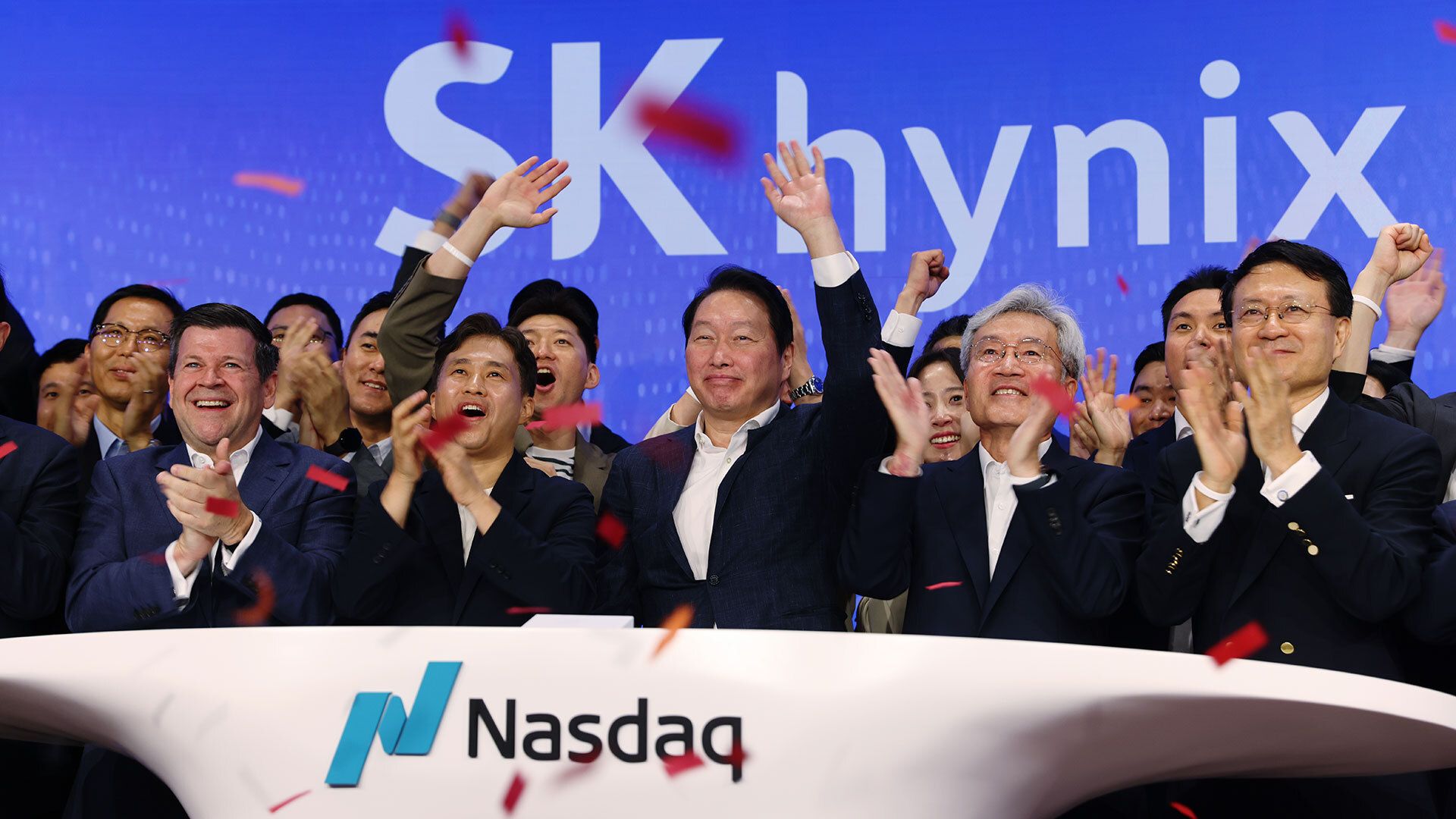
“Memory prices are currently at an abnormally high level. While AI companies can absorb increased costs through investments, PC and smartphone manufacturers have no choice but to pass rising semiconductor costs onto product prices,” Chey told the media. “Since most customers for these products are individuals, there are limits to how much prices can be raised. To prevent 'chipflation'—where rising chip prices drive up finished product costs—supply must be expanded.”
Aside from expanding supply and easing memory prices for consumer products, extremely high memory prices brought about by limited supply could negatively impact the big three companies. That’s because the high margins could lead to the entry of new players or give smaller manufacturers the opportunity to grow their presence and challenge the established firms. We’re already seeing this, as some Chinese brands have ditched them for domestically produced CXMT and YMTC chips . While this could be driven by Beijing, even major multinational brands like Corsair and Lenovo have started sourcing from these companies just to get chips. Even Apple is asking permission from Washington to buy memory chips from CXMT . Aside from that, he also cited Elon Musk’s interest in building his own fab as a potential threat to existing memory semiconductor companies.
This isn’t a problem at the moment as there is more than enough demand to go around for incumbent memory and storage chip manufacturers and new entrants. In fact, memory companies can use this as a defense against price-fixing lawsuits , with the massive AI demand and the higher margins it offers standing as a plausible reason why memory chip companies focused on HBM production and reduced DRAM output. But before the AI boom, the memory industry was actually suffering from one of the worst memory downturns to hit the industry for over a decade. So, if and when the memory shortage is over and the memory industry resumes its boom-and-bust cycle, more manufacturers jockeying to find customers in a tight market would make it that much harder for these companies to survive and thrive.
Follow Tom's Hardware on Google News , or add us as a preferred source , to get our latest news, analysis, & reviews in your feeds.
SK hynix, Samsung, Micron among semiconductor industry group lobbying against government intervention on domestic memory chip supply
SK hynix to double memory wafer capacity within five years, chairman says
Key considerations
- Investor positioning can change fast
- Volatility remains possible near catalysts
- Macro rates and liquidity can dominate flows
Reference reading
- https://www.tomshardware.com/tech-industry/policy/SPONSORED_LINK_URL
- https://www.tomshardware.com/tech-industry/policy/memory-chip-boss-admits-ram-prices-are-abnormally-high-sk-group-chairman-considering-building-a-semiconductor-plant-in-the-us-to-expand-supply-calm-chipflation#main
- https://www.tomshardware.com/membership
- NVIDIA Introduces New Jetson Thor Computers to Advance Mainstream Robotics and Edge AI
- Grab AMD’s Ryzen 7 5800X3D 10th Anniversary CPU with motherboard and 16GB RAM for just $529 — save over $100 on this epic AMD gaming bundle
- Russian drones spotted using screwed-on magnetic compasses as navigation aids — the on-board camera can occasionally tilt down to check bearings if satellite co
- MSI MAG Z890 Tomahawk Wifi II motherboard review: Loses features from the original, but shaves a few dollars off the price
- AI Innovators Adopt NVIDIA Vera — Why Max Single-Threaded CPU at Scale Matters
Informational only. No financial advice. Do your own research.