
When you purchase through links on our site, we may earn an affiliate commission. Here’s how it works .
Drones and drone-defense capabilities are clearly vital in current armed conflicts and are beginning to be taken very seriously worldwide. We’ve seen rapid developments in this theater, particularly in Russia , Ukraine, and also in the Middle East this year. If the military could leverage the extensive cellular networks across most nations for drone sensing, it sounds like a clear win. However, we’d worry about 5G masts becoming an even more attractive target.
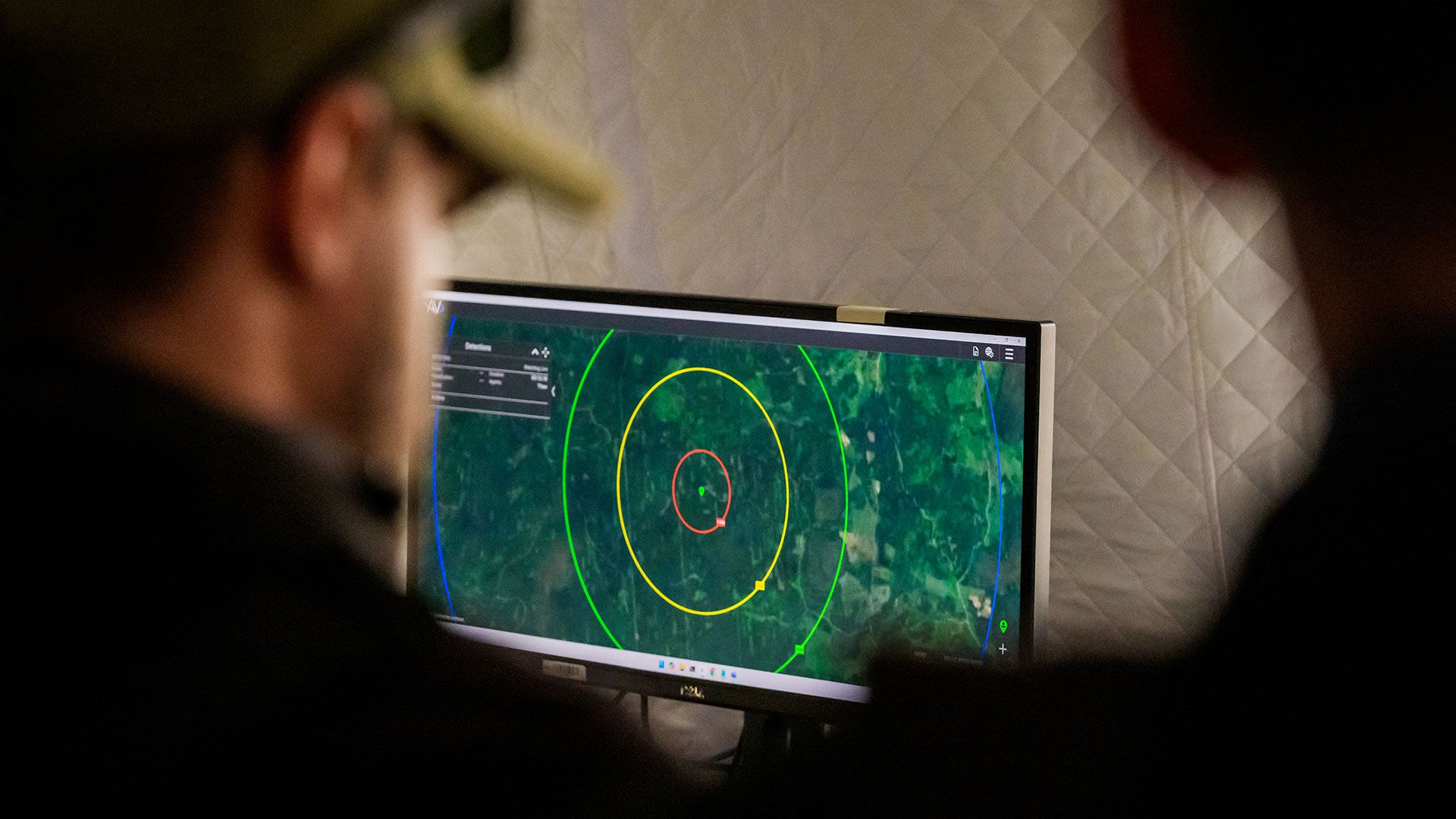
In Latvia, NATO ran a Digital Backbone Experimentation exercise, known as DiBaX 2026. Between October 19 and 30, the organization investigated whether 5G towers could passively detect and track flying objects, specifically drones. If the trials were successful, it could mean existing large-scale telecommunications networks would gain another purpose – enhancing national security . Moreover, it would help NATO gain resilience to disruption, thanks to multiple networks, satellites , etc.
The NATO-tested solution is said to have been designed by AI agents. “We have connected systems that were never designed to communicate with each other, using artificial intelligence to overcome interoperability barriers,” said Admiral Pierre Vandier, NATO’s Supreme Allied Commander Transformation. “It’s the first time that we have, for example, a Maven system that is speaking to a national system, and that has been fixed in hours with Agentic AI.”
Three methods of utilizing commercial 5G were tested in the Baltic country, which conducted the exercises alongside the United States, Canada, Germany, Finland, Lithuania, and other allies. Some tests admittedly failed, but when things don’t work as expected, you can learn some important lessons.
Taiwan working on autonomous drone swarms to counter China’s increasingly aggressive grey-zone military tactics
Ukrainian drone regiment ‘decimates’ 3,500-strong U.S. armored brigade combat team in war game
Autonomous NATO strike drone uses Nvidia Jetson Orin Nano to independently pick and bomb targets
In the U.S., AT&T and Ericsson demonstrated drone detection over 5G outside of AT&T Stadium, in Arlington, Texas. Apparently, this is an early taster of 6G technology , which officially includes both comms and sensing. According to the official PR, this system was capable of detecting and locating multiple drones , then tracking their movement. The drones flew at altitudes between 300 and 400 feet within the coverage area.
It seems like the sporting venue was chosen for the demo, as such places can be targeted by terrorists and the like. A potential advantage of this sensing tech is that it can “support new levels of low altitude threat detection and tracking around major venues, public spaces and other complex environments.”
Get Tom's Hardware's best news and in-depth reviews, straight to your inbox.
Key considerations
- Investor positioning can change fast
- Volatility remains possible near catalysts
- Macro rates and liquidity can dominate flows
Reference reading
- https://www.tomshardware.com/networking/SPONSORED_LINK_URL
- https://www.tomshardware.com/networking/military-explores-commercial-5g-networks-for-enemy-drone-defense-ai-agents-developed-the-system-recently-used-in-battlefield-trials-in-latvia#main
- https://www.tomshardware.com/membership
- 'Ghost Students' using AI to apply for student loans with stolen identities, DOJ's Operation Ghostbusters busts $200 million ring
- Cloud Deployment Incoming: ‘Call of Duty: Modern Warfare 4’ Arrives on GeForce NOW
- Pioneers Across Europe Deploy NVIDIA Earth-2 Open Models to Power Real-World Weather and Climate Prediction
- Elon Musk mocks OpenAI CEO Sam Altman's claim that PCs having RAM is terrible
- Leading European Financial Services Organizations Embrace Open Models to Build Proprietary Intelligence
Informational only. No financial advice. Do your own research.