
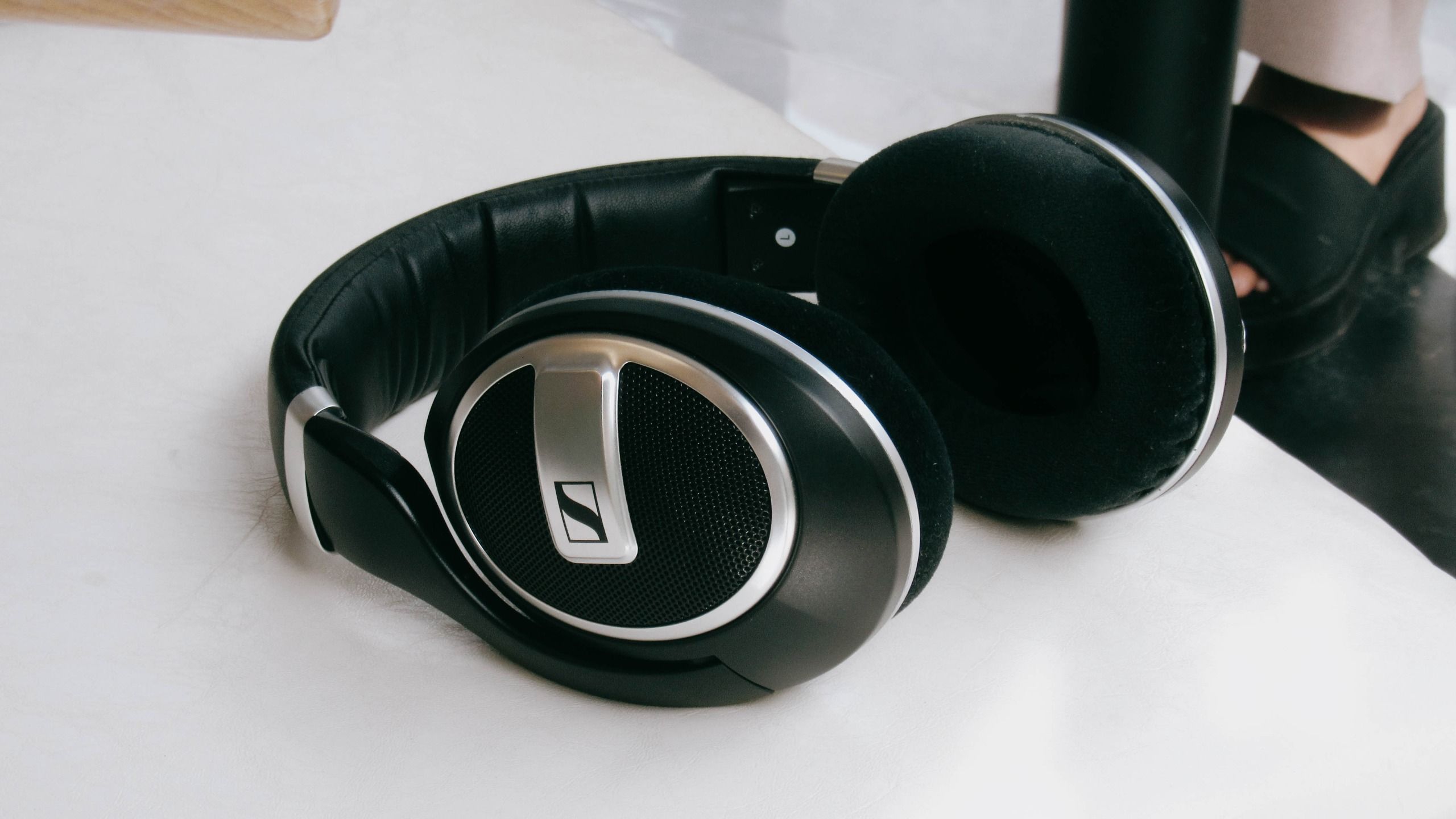
Audiophiles have always criticised Bluetooth, but HDT might finally be the convenient wireless experience they've needed.
When you purchase through links on our site, we may earn an affiliate commission. Here’s how it works .
Bluetooth HDT is Bluetooth’s new feature allowing for up to 7.5 Mbps of bandwidth. This new feature is needed by sophisticated modern devices that use a lot of data in their communication. It could be smartwatches, AI, or even extended reality (XR); less sophisticated but high-bandwidth, however, is lossless audio, which Bluetooth has never had enough bandwidth for, until HDT, that is.
Purists have long since criticized Bluetooth, but HDT may finally be the feature that satisfies them. Audiophiles have always preferred wired over Bluetooth, especially those who prefer lossless audio over compressed formats. Bluetooth LE 2M, even with its 2 Mbps bandwidth, cannot reliably transmit CD-quality 1.4 Mbps lossless audio, so it gets compressed through various means: SBC, AAC, aptX, LDAC, LC3, etc., and for audiophiles who want to listen to their lossless audio, compression is a downgrade to their experience, even if they likely can’t tell the difference between lossless and a high-quality 320kbps MP3 file.
However, HDT not only offers higher bandwidth but also improved reliability for consistent communication and uses even less power, as stated on Bluetooth’s feature enhancements page, which adds that HDT provides the capacity, efficiency, and wireless performance needed for high-resolution and lossless audio. As mentioned, CD lossless quality hovers around 0.8-1.4Mbps, while 24-bit 48 kHz is around 2.3 Mbps, and 24-bit 96 kHz is 4.6 Mbps, well under the maximum 7.5 Mbps bandwidth; only 24-bit 192 kHz exceeds it at 9.2 Mbps — but who is really able to tell the difference at that sampling rate?
It is worth noting that just because a device complies with the Bluetooth Core Specification 7.0, it doesn't mean that it automatically has the HDT feature, much less the maximum 7.5 Mbps feature. On page 2795 of the Core_v7.0 document (yes, I dug that far), it says that HDT2, HDT3, and HDT4 are required if HDT is featured, but HDT6 and HDT7.5 are optional. And it should be further noted that just because an audio device supports even the highest HDT7.5, it won’t immediately equate to a good experience, as tuning is also a big factor. With that said, HDT might make it possible for high-end wired audiophile favorites to get a wireless version.
Steam adds low-latency Pyrowave codec to Remote Play — new codec offers better game streaming on local networks but costs '5-10 times' more bandwidth
Best Wireless Gaming Headsets 2026: Our Tested Picks for Bluetooth, Budget, and More
Hot Chips 2026: High Bandwidth Flash promises massive bandwidth and capacity, but its usability is extremely limited
Follow Tom's Hardware on Google News , or add us as a preferred source , to get our latest news, analysis, & reviews in your feeds.
Get Tom's Hardware's best news and in-depth reviews, straight to your inbox.
Key considerations
- Investor positioning can change fast
- Volatility remains possible near catalysts
- Macro rates and liquidity can dominate flows
Reference reading
- https://www.tomshardware.com/peripherals/wearable-tech/SPONSORED_LINK_URL
- https://www.tomshardware.com/peripherals/wearable-tech/new-bluetooth-high-data-throughput-may-finally-satisfy-audiophiles-bluetooth-hdt-offers-a-maximum-bandwidth-of-7-5mbps-allowing-true-lossless-transmission#main
- https://www.tomshardware.com/membership
- NVIDIA Unveils Minerva to Bring End-to-End Observability for AI Factories
- Marvell to buy Lumentum in $115 billion all-stock deal
- Intel leaker claims Nova Lake desktop chips have 5.1 GHz clock limit beyond 90°C
- US FAA to eliminate floppy disks from air traffic control by 2028
- SpaceX's plan to build more data center compute than Google's entire lifetime capacity in just 1.5 years is possible, say analysts
Informational only. No financial advice. Do your own research.