
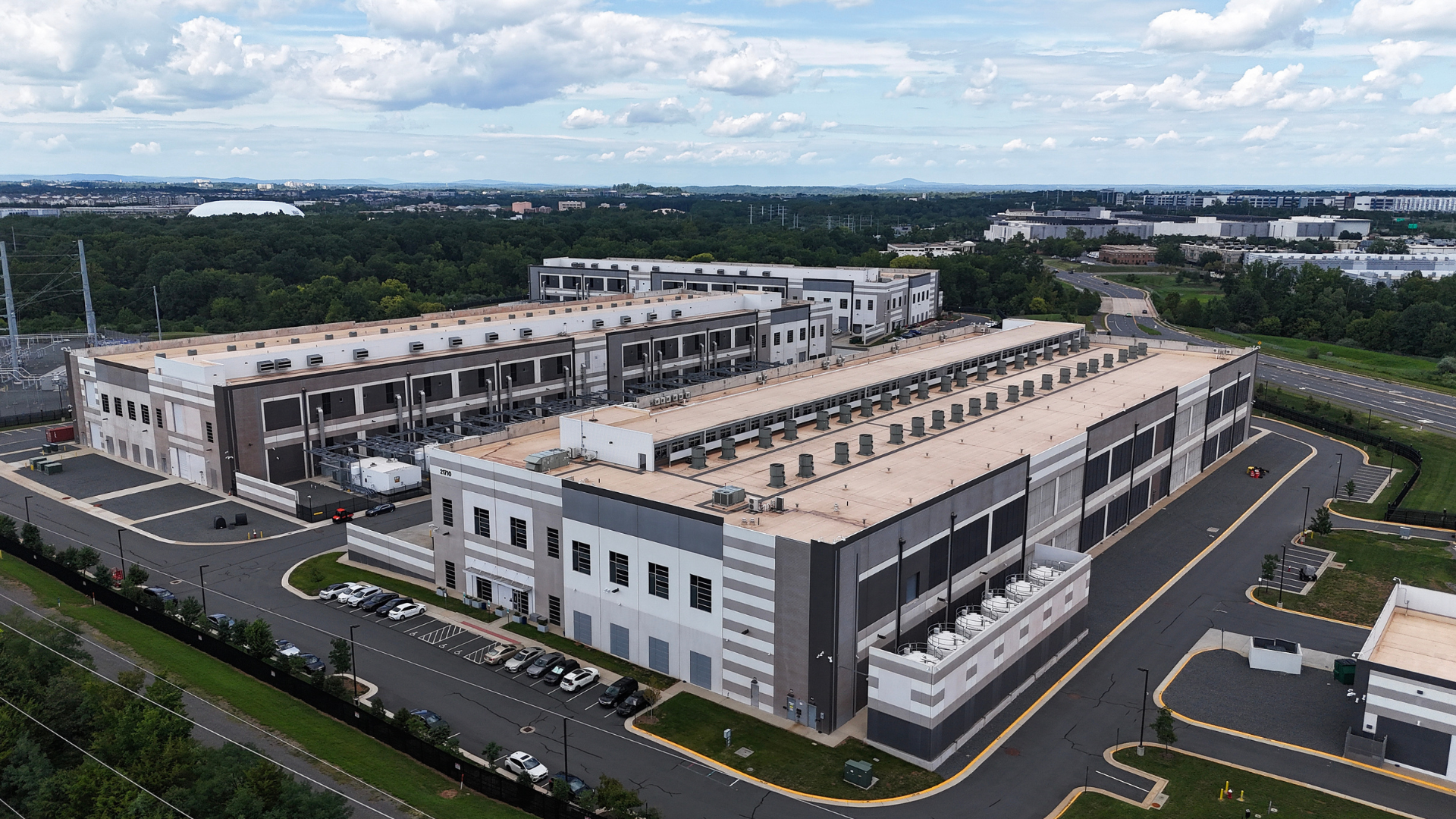
The document recommends six principles during data center negotiations: an investment benchmark of $1 million per megawatt of utility demand; long-term planning, including plans for when the data center leaves the facility; a roadmap to manage ongoing costs for projects funded through the CIF; a list of local priority investment areas to address the needs of the community; local ownership confirmation of projects receiving funding from data centers; and clear timelines for any program, especially those that require phased, multi-year investments. Aside from these, it also gave several recommendations, such as focusing on community engagement, engaging decision-makers and counsel, incentivizing good faith and timely negotiations, and maintaining flexibility, among others.
While data centers have been around for decades now, AI data centers are relatively new and are putting more pressure on electricity and water supplies. They also offer limited job creation and community value compared to other industries, which is why Loudoun County, Virginia, which hosts 250 data centers, has started reining in these facilities as well . More than 500 states, counties, and localities across the nation have already passed a moratorium or temporary ban against data centers , including states like New York and Texas . However, these have an expiration date, meaning government units only have a limited time before they would have to start processing data center applications once more.
This framework is a useful guide for when municipalities have to start negotiating with data center developers again, helping ensure that these projects would bring more benefit to the community while limiting their negative effects. One Pennsylvania town actually created a similar comprehensive document, outlining 43 specific demands before approving a proposed data center in Plymouth Township. Unfortunately, the said developer decided to cancel the application and file a new one instead, with the town accusing it of demanding approval “by tantrum.”
Reports suggest that various data center developers have requested up to 9,000 MW from the state grid. However, this does not include operators that are opting to bring their own power sources or build their own power plants on site. So, if New York towns and municipalities adopt the CIF in their negotiations with data center developers, this could potentially add $9 billion or more towards their coffers. This may seem like a lot of money, but it’s a drop in the bucket compared to the expected $32 trillion that some experts suggest will be invested in data centers by 2050.
New York enacts one-year data center ban on projects larger than 50 megawatts
Key considerations
- Investor positioning can change fast
- Volatility remains possible near catalysts
- Macro rates and liquidity can dominate flows
Reference reading
- https://www.tomshardware.com/tech-industry/data-centers/SPONSORED_LINK_URL
- https://www.tomshardware.com/tech-industry/data-centers/new-york-state-recommends-demanding-ai-data-centers-pay-usd1-million-in-community-investment-per-megawatt-framework-advises-towns-to-plan-for-maintenance-costs-site-abandonment-and-other-contingencies#main
- https://www.tomshardware.com/membership
- AI Infra Summit: NVIDIA Vera Rubin and DSX Platform Advancements Showcase Energy Efficiencies of Optimizing Tokens Per Watt for AI Factories
- Corsair's 32GB Vengeance kits are the cheapest DDR5 RAM on the market right now — lock down 6,200 MT/s speeds for $419.99 or save $10 on a slower RGB kit for $4
- Developer builds viral 3D source code visualizer that consumes 21GB of RAM — flies around 2.5 million lines of code at over 120 frames per second
- Valve engineers discuss the duality of the Steam Frame and pricing — Valve's newest VR headset pivots SteamOS to Arm
- Gaming takes a backseat as Nvidia overhauls the RTX 5090 for maximum AI margins — RTX Pro 5500 delivers 2.6X VRAM at matching specs
Informational only. No financial advice. Do your own research.