
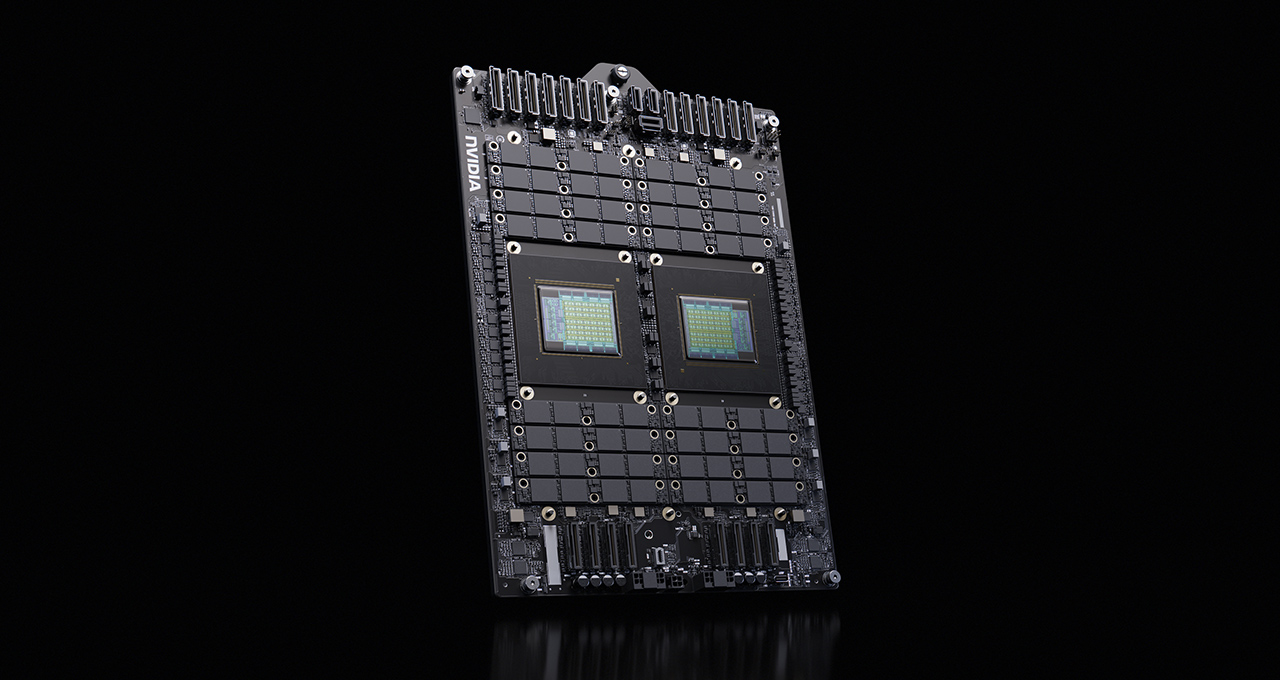
Beyond benchmark results, NVIDIA is working closely with both companies on application profiling, software optimization and system-level tuning designed to improve engineering productivity across a broader range of workflows over time.
NVIDIA is deploying Vera throughout the EDA workflows used to create future NVIDIA processors.
Vera combines 88 custom NVIDIA Olympus CPU cores with a high-efficiency LPDDR5X memory subsystem and second generation NVIDIA Scalable Coherent Fabric designed to deliver strong per-core performance, high memory bandwidth and consistent low latency for demanding engineering applications.
These capabilities are particularly important for workloads that mix latency-sensitive jobs with large-scale regression testing across compute farms. Faster execution can shorten individual verification runs, while greater throughput enables engineers to evaluate more design alternatives and complete more validation within the same development window.
These workflows span logic simulation, formal verification, regression testing and digital implementation, helping engineers validate functionality, identify corner cases and transform designs into manufacturable silicon.
Because these stages are interconnected, improvements in verification throughput can help organizations identify issues earlier and reduce costly downstream design iterations.
The deployment of Vera across NVIDIA’s own engineering workflows reflects a broader strategy: accelerate each workload with the compute architecture best suited to the task.
In EDA, GPUs and AI continue to speed many algorithms, while high-performance CPUs remain essential for critical simulation, verification and implementation workloads. Together, they help improve the performance of the overall design cycle.
Looking ahead, NVIDIA plans to build on Vera with the next-generation Rosa CPU, powered by the NVIDIA Rigel core, while continuing to optimize leading EDA applications across its CPU roadmap.
By using NVIDIA CPUs to help design future NVIDIA CPUs and GPUs, the company is creating a continuous feedback loop between silicon design, software optimization and systems engineering, with each generation helping build the next.
Key considerations
- Investor positioning can change fast
- Volatility remains possible near catalysts
- Macro rates and liquidity can dominate flows
Reference reading
- https://blogs.nvidia.com/blog/vera-cpu-eda/#primary
- https://blogs.nvidia.com/blog/author/ivangoldwasser/
- https://blogs.nvidia.com/blog/vera-cpu-eda/#disqus_thread
- Moonshot AI releases weights for Kimi-K3, firing a shot across the bow of OpenAI and Anthropic — open-weight model performs almost as well as frontier models wh
- NVIDIA Vera Rubin Driving Performance Per Watt, Lowest Token Cost for Partners Worldwide
- China begins mass production of homegrown immersion chipmaking machines in major breakthrough, report claims — first DUV lithography units will be delivered thi
- Intel commits to 14A mass production in 2028 as its sales rise 25% year-over-year
- Pro-Ukraine group claims it helped hack Russian drone air defense system, shooting down Su-57 in friendly fire incident — Moscow confirms fifth-generation fight
Informational only. No financial advice. Do your own research.