
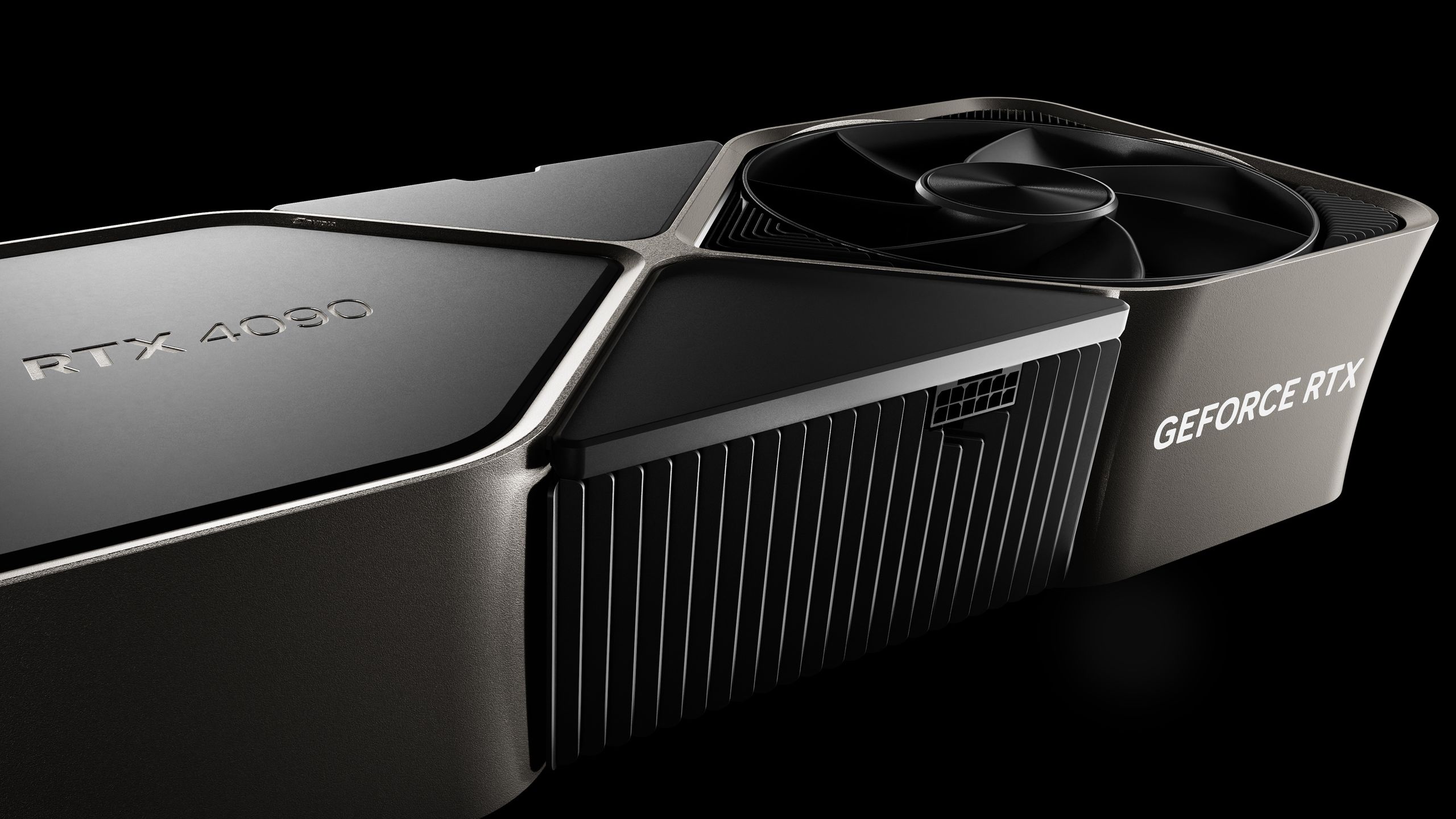
The explainer for gpu-unlock states that the rate limits are in two “speed selector” registers that the host driver can’t write, but Nvidia’s signed SEC2 “Booter” firmware has a stack buffer overflow which can be exploited to run code in “heavy secure” mode. This was discovered after Nvidia published a debug Booter encrypted with a known public test key. A single 4-byte write with the V67 payload opens the privilege mask so the host can set the full rate, and the module then resets the card before Nvidia’s driver binds it.
The underlying bug is described in Jon Pry’s “A Canary in the Crypto Mine: Defeating Stack Protection in a GPU Secure Coprocessor,” published on Zenodo in June. The stack overflow was found on the CMP 170HX in the Heavy Secure Falcon, and the V67 constants come from WildFlash1st/cmp90hx-unlock. The pre-driver timing gpu-unlock uses appear to come from WildFlash1st’s separate Windows EFI bootloader, cmp90hx-unlock-for-windows, while the best-known use of the exploit is the CMP Unlocker for the CMP 170HX. Zagitta, the maintainer of gpu-unlock, said on Hacker News that the project is their work but “the exploits … aren’t my ideas by any means” and that the unlock “just flips the 2 bits” needed.
Zagitta said that RTX 40 support is in progress and that forks are already unlocking those cards. Zagitta added that Hopper and Blackwell cards are “out of scope for this approach” at least.
The Ada fork says other boards “remain unverified” and that shared firmware “does not establish support for untested cards.” The turing-unlock project, likewise, has a list of untested Turing IDs. Gaps remain for GA103 and most Ada and Turing cards. None of the projects contains a roadmap, but data is being gathered, as gpu-unlock is asking GPU owners for compatibility reports.
Follow Tom’s Hardware on Google News , or add us as a preferred source , to get our latest news, analysis, & reviews in your feeds.
Shane Downing Social Links Navigation Contributing Writer Shane Downing is a Contributing Writer for Tom’s Hardware, covering consumer storage, PC hardware, and AI.
warezme I'm curious as to how this unlock benefits the general performance of the card. Reply
bill001g I will let other people risk their cards playing with this stuff. Who knows why this limit exists. Likely nvidia being the evil greedy company they are but it could also be related to heat or something else that greatly reduces the life of the card. Just because you can mod a card to say increase the power limit does not mean its a good idea. I was complaining when coin mining caused the massive increase in GPU but the prices just continue to increase. It is pretty bad when you can sell 3 and 4 year old cards for more than you paid new. I do not know the type of AI you run locally but you would have to ask if the cost of buying tokens to run it in the cloud is more than the cost of a video card if it fails using this software hack. Reply
aberkae warezme said: I'm curious as to how this unlock benefits the general performance of the card. 6090 performance at $0.00 with the help of ai vibe coding and sh!t 🤪 Nvidia marketing no not like that! Reply
razor512 warezme said: I'm curious as to how this unlock benefits the general performance of the card. I would really like to see a range of tests done in a wide range of non-gaming applications that heavily rely on GPU compute, especially ones where Nvidia traditionally struggled when their GeForce cards were used instead of their astronomically overpriced workstation cards. Though with that in mind, many professional/ workstation applications have commonly experienced a large performance hit on GeForce cards as compared to the consumer Radeon cards. One hope is that there might be some benefit to non-gaming workloads like these. https://i.imgur.com/HuCIqcO.png Beyond that, it would also be interesting to see if it has any benefits to DLSS on older cards that lack FP8, and may be running these models under FP16. Reply
quorm razor512 said: I would really like to see a range of tests done in a wide range of non-gaming applications that heavily rely on GPU compute, especially ones where Nvidia traditionally struggled when their GeForce cards were used instead of their astronomically overpriced workstation cards. Though with that in mind, many professional/ workstation applications have commonly experienced a large performance hit on GeForce cards as compared to the consumer Radeon cards. One hope is that there might be some benefit to non-gaming workloads like these. https://i.imgur.com/HuCIqcO.png Beyond that, it would also be interesting to see if it has any benefits to DLSS on older cards that lack FP8, and may be running these models under FP16. I would also be interested in seeing such a comparison. Reply
Key considerations
- Investor positioning can change fast
- Volatility remains possible near catalysts
- Macro rates and liquidity can dominate flows
Reference reading
- https://www.tomshardware.com/pc-components/gpus/SPONSORED_LINK_URL
- https://www.tomshardware.com/pc-components/gpus/nvidia-rtx-20-30-and-40-series-gpus-hacked-to-remove-a-half-speed-ai-throttle-firmware-exploit-doubles-rtx-4090s-peak-tensor-rate-lifts-rtx-3090-ti-matrix-math-up-to-80-percent#main
- https://www.tomshardware.com/membership
- Walmart slashes $750 off this MSI RTX 5060 gaming laptop
- SpaceX closes $40 billion debt financing for GPUs expected in the first half of 2027, Musk says
- New CD players keep launching, but a drive shortage could make them unfixable
- How AI Is Changing the Pace of Discovery for Millions Living With Dementia
- How Companies Are Using NVIDIA DSX to Break the Power Bottleneck
Informational only. No financial advice. Do your own research.