
When you purchase through links on our site, we may earn an affiliate commission. Here’s how it works .
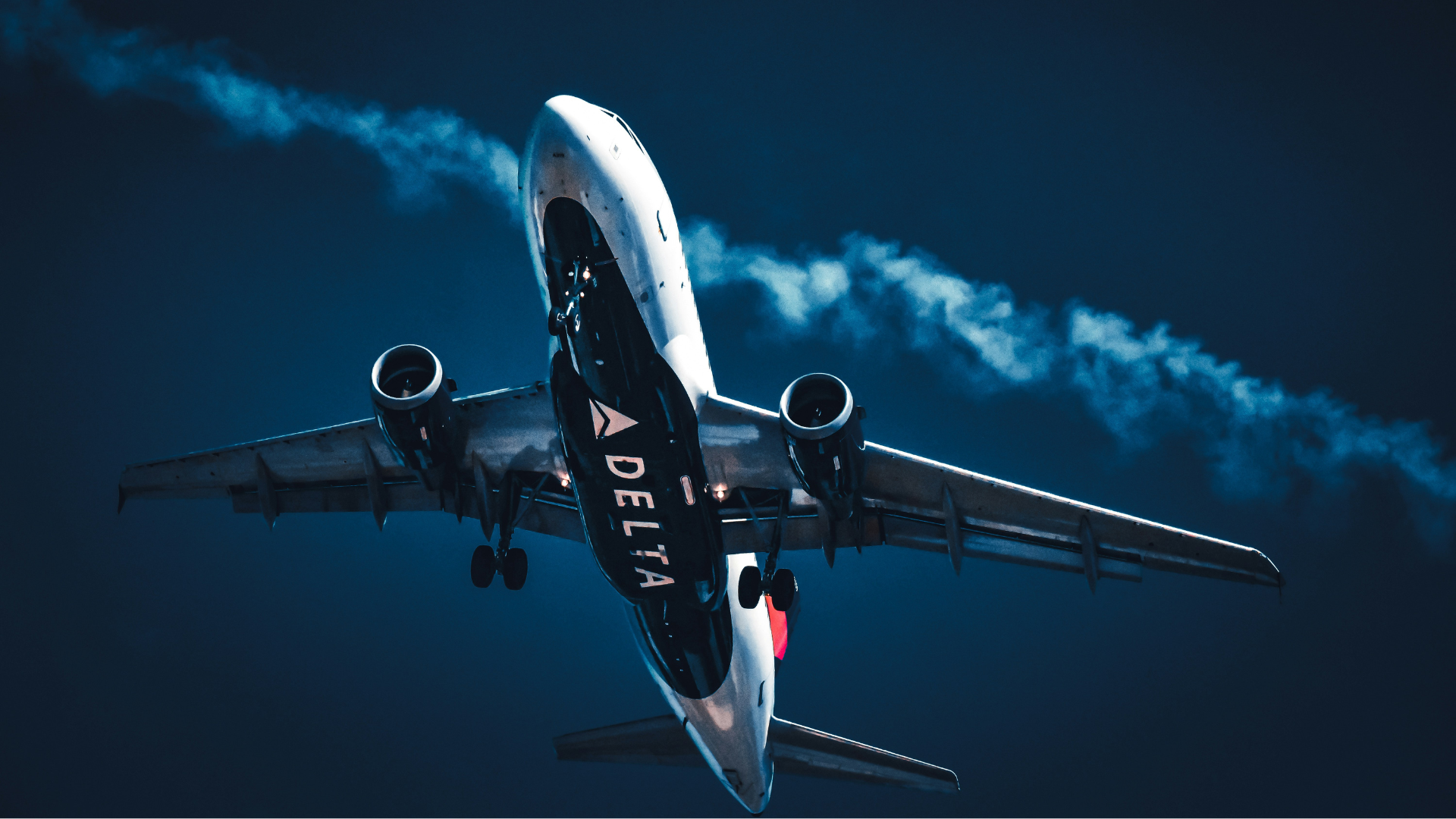
The pilots on the flight told the ground crew to alert corporate security as someone was tampering with in-flight Wi-Fi through ACARS, the digital communications systems airliners use for air-to-ground text communications. “Hey, alert corporate security. We have a passenger onboard that has created a scam Wi-Fi called ‘Delta WiFi Fast.’ We believe they are trying to scam the other passengers,” the pilots said in their first message. They followed this up 17 minutes later with, “No information as of now. We have a bunch of passengers that were at a cybersecurity conference in Las Vegas. They were able to jam our Wi-Fi and broadcast their signal.”
While the exact details are unclear as the incident is still under investigation, the attacker (or prankster) apparently used a Wi-Fi Pineapple penetration testing device to launch Wi-Fi deauthentication attacks and then created an evil twin that other passengers could log into instead. This fake log-in page could have been used to harvest usernames, passwords, and other credentials. The plane was reportedly met at the gate by the authorities, although it’s unclear if any arrests were made.
Most in-flight Wi-Fi networks are unsecured, so a determined hacker could potentially use it for cyberattacks on their fellow passengers. Creating an “evil twin” network does not carry the same alarm, scandal, and potential lawsuit that a public network or device named “bomb” would on a flight , but it could still land you in hot water.
“Jamming” or interfering with in-flight Wi-Fi (or any Wi-Fi network, for that matter) is prohibited by the FCC [ PDF ], while the phishing log-in page could constitute wire fraud or identity theft. The passenger who created the fake in-flight Wi-Fi is also using social engineering, especially as more airlines adopt in-flight Wi-Fi and more passengers expect it, especially as they start switching to Starlink to provide reliable and fast internet.
Teen’s Bluetooth speaker named ‘BOMB’ caused a 10-hour delay on flight from Newark to Spain
Frontier Airlines site leaks all personal info with just a glance at a boarding pass, researcher claims
Researchers identify people through ordinary Wi-Fi routers with 99.5% accuracy
Key considerations
- Investor positioning can change fast
- Volatility remains possible near catalysts
- Macro rates and liquidity can dominate flows
Reference reading
- https://www.tomshardware.com/tech-industry/cyber-security/SPONSORED_LINK_URL
- https://www.tomshardware.com/tech-industry/cyber-security/passenger-returning-from-def-con-34-spoofs-delta-wi-fi-network-while-in-flight-using-pentest-tool-pilots-tell-ground-crew-to-alert-corporate-security-after-attendee-from-hacking-conference-brings-the-party-to-the-sky#main
- https://www.tomshardware.com/membership
- Nvidia reportedly testing lower memory configs of Rubin Ultra as memory shortage bites back — designs tested include as little as 192 GB and step back to HBM4 [
- Laser wireless charging could keep drones airborne indefinitely — improved receiver converts at 38.49% efficiency and uses nanocrystalline material for thermals
- AI data center bans surge past 500 nationwide as local US politicians begin blocking new developments — growing public outrage and bipartisan pushback threaten
- At AI Summit, South Korea Outlines Its AI Future With NVIDIA and Partners
- AI data center developers begin suing local jurisdictions behind bans and moratoriums — claims range from officials exceeding authority to violations of due pro
Informational only. No financial advice. Do your own research.