
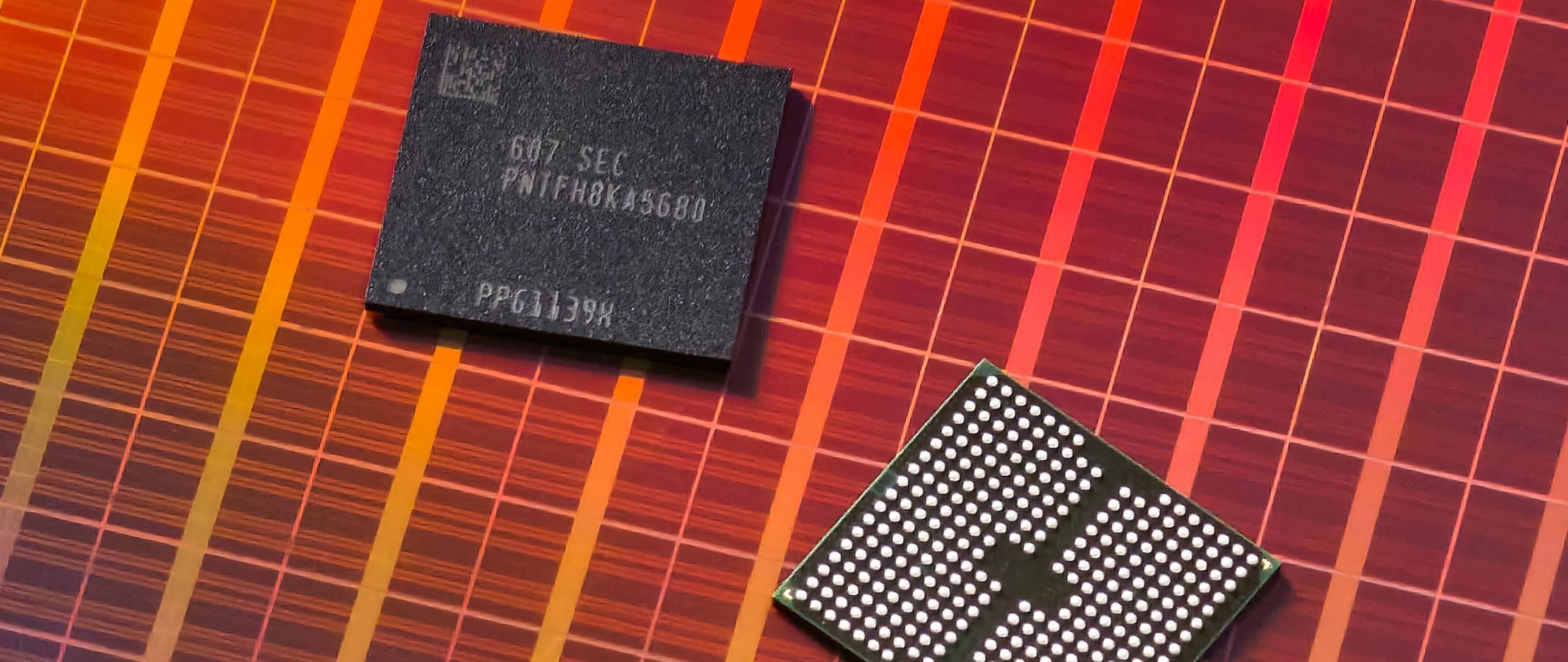
zHBM : Samsung’s vision for custom HBM ultra-high-performance memory that will sit on top of logic dies.
zNAND-O : NAND memory that can be bonded atop a logic device to maximize bandwidth, reduce latency, and minimize power consumption.
BV-NAND (aka Samsung’s 10 th Generation V-NAND): Samsung’s take on bonding NAND arrays atop all the circuitry needed to operate them. This is essentially next-generation 3D NAND technology that is used today by almost everyone, including Kioxia/Sandisk, SK Hynix, and YMTC (which was the first company to adopt such a method).
Don’t miss out on this Tom’s Hardware Premium. Get a full year of access for just $29, or from $7 per month. Get daily news analysis, deep dives into specialist topics in the semiconductor industry, as well as access to Bench, the largest benchmarking database around.
Around the time we first heard about HBM4's 2,048-bit interface, we read a 'semi-official' report that SK hynix and its partners were considering vertical integration of HBM4 stacks on top of logic chips . To a large degree, companies were considering installing these memory stacks on top of their processors as they doubted that it would be possible and feasible to use interposers to connect HBM4 stacks to AI accelerators. Over time, it turned out that integration of memory on top of logic is complicated when it comes to cooling, power delivery, and developing interposers that can handle a 2,048-bit memory interface. Samsung's zHBM appears to be a continuation of that effort.
Samsung's zHBM concept places HBM directly on top of an AI accelerator instead of on its perimeter, which greatly reduces the distance data must travel between compute and memory. The company says this architecture can increase bandwidth and power efficiency and projects that it can provide 8x the 'performance of HBM5 ', while its advanced wafer bonding is expected to enable over 10x higher memory density, 3x better energy efficiency, and more than 50% lower thermal resistance than HBM5.
While Samsung's claims about the zHBM look incredibly impressive, they are vague. For example, when the company claims that a 'next-generation interface system incorporating zHBM' will deliver 'approximately eight times the performance of HBM5,' it never explicitly states whether this refers to memory bandwidth, actual application performance due to a combination of improvements over standard HBM, or something else. Had Samsung intended to compare raw bandwidth, it would likely have used more precise wording, such as '8x higher bandwidth.'
Solidigm VP talks PCIe 6.0 SSDs, next-gen floating gate NAND, liquid cooled storage and more
Researchers turn HBM on its side to tackle AI memory’s heat wall
Key considerations
- Investor positioning can change fast
- Volatility remains possible near catalysts
- Macro rates and liquidity can dominate flows
Reference reading
- https://www.tomshardware.com/pc-components/dram/SPONSORED_LINK_URL
- https://www.tomshardware.com/pc-components/dram/samsung-debuts-three-next-generation-memory-technologies-for-ai-data-centers-zhbm-znand-o-and-bv-nand-all-rely-on-advanced-wafer-bonding-technologies#main
- https://www.tomshardware.com/my-account
- NVIDIA Open Sources First GPU-Accelerated Medical Physics Simulation Framework
- At AI Summit, South Korea Outlines Its AI Future With NVIDIA and Partners
- Grab a new Secretlab sit-to-stand desk for $699 — Save $50 as the Magnus Evo receives its first-ever discount
- 16GB GPUs and 8-core CPUs officially become the most popular configs on Steam — Latest hardware survey shows modern gaming's growing hunger for more resources
- PC cooling outfit Arctic reverses tariff-era price hikes after US government refund — lowers prices across lineup, including coolers and case fans
Informational only. No financial advice. Do your own research.