
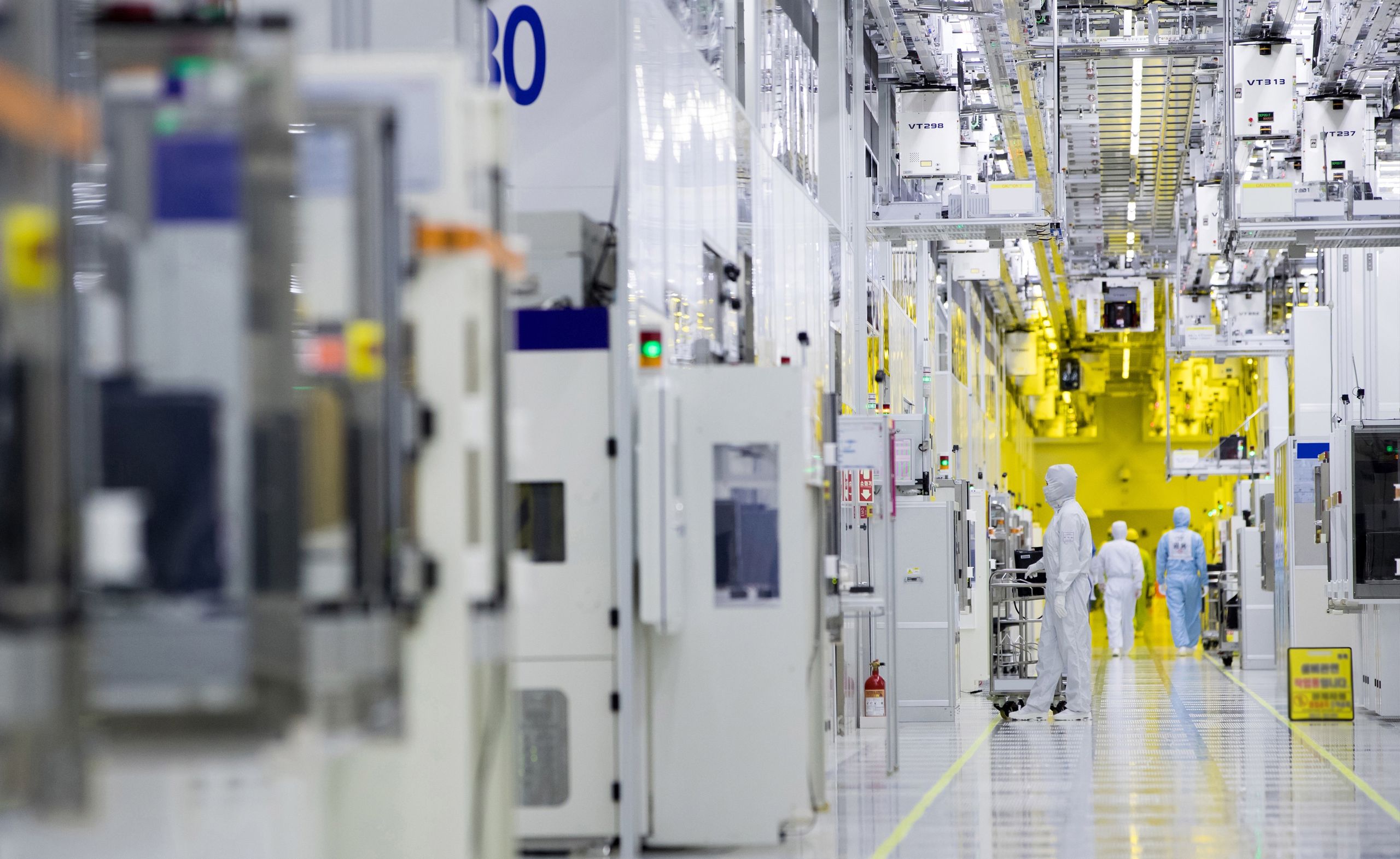
The problem, however, is that these robots come in different builds and configurations, often with their own batteries and accompanying charging infrastructure. A semiconductor fab deploying multiple robot models from different manufacturers could consequently end up requiring separate charging stations for each model. In addition to increasing equipment and maintenance costs, these installations consume valuable factory floor space.
The proposed initiative seeks to address this problem by establishing common charging specifications that different robot manufacturers can adopt. Standardized charging infrastructure would allow multiple types of robots to use compatible charging stations, reducing the need for separate installations and making it easier for semiconductor manufacturers to expand their robotic fleets without adding operational inefficiencies.
The alliance is considering standards covering battery specifications for different mobile robots, charging-station equipment and communication protocols, charging connectors, and battery management systems (BMS). Together, these specifications would establish common requirements for the physical and electronic interfaces involved in charging robots inside semiconductor fabs.
The initial objective is to achieve charging compatibility across different robot models. In addition to letting a fab deploy robots from several manufacturers without having to install a separate charging system for every model, this would also give manufacturers greater flexibility when purchasing new robots, since their choice of supplier would no longer be as heavily influenced by the charging infrastructure already installed in the facility.
A subsequent step would involve integrating robot charging data with the fab's manufacturing execution system (MES), the software that coordinates and monitors manufacturing operations. With access to information such as battery charge levels, robot availability, and production schedules, the system could coordinate when individual robots operate and when they return for charging. For example, robots could be scheduled to recharge during periods of lower demand or while other robots handle critical material transfers, minimizing interruptions to production. This integration would become increasingly important as manufacturers deploy larger fleets of robots across the hundreds of individual processes involved in semiconductor fabrication.
Nvidia is bankrolling AI accelerator supply chain buildout to reserve production capacity
TSMC, Samsung, and Intel shore up support with ASML to deploy larger High-NA EUV photomasks
US chip fabs face massive 157,000 worker shortfall, mere 3% of US engineering grads enter chipmaking
Interestingly, the three chipmakers leading the standardization efforts are primarily customers of industrial robotics manufacturers, not manufacturers of the robots themselves, except for Samsung, which has an established robotics business. The objective is to develop specifications that robotics manufacturers and charging-equipment suppliers can incorporate into their products.
On the other hand, the three companies are not independently creating specifications and dictating them to suppliers. The initiative would likely follow an industry standardization process in which robotics manufacturers, equipment suppliers, and other stakeholders contribute to developing and validating the technical requirements. For now, the project remains in its early stages, with participants still determining which components and interfaces should be standardized and consulting robotics and smart-factory specialists.
According to DigiTimes, semiconductor industry participants first explored establishing common robotics standards roughly a decade ago, but discussions made little progress until recently. The renewed momentum is largely attributed to the ongoing semiconductor boom, which has coincided with rapid advancements in industrial robotics.
Unprecedented demand for AI-related memory products, along with record financial performance , has given semiconductor manufacturers both the incentive and the financial resources to invest more aggressively in factory automation. While manufacturers are expanding production capacity to meet demand, new fabs take years to construct and bring online. As a result, they are simultaneously looking to squeeze out as much capacity as possible from existing facilities by increasing automation and improving productivity.
As for why Samsung, SK hynix, and Micron are collaborating despite their intense rivalry, the answer likely comes down to shared commercial interests. Incompatible robot charging infrastructure is an industry-wide problem, and all three companies stand to benefit from a common solution. The AI boom has already encouraged numerous partnerships across the semiconductor supply chain, including between companies that are considered fierce rivals , as manufacturers look for ways to overcome common production and infrastructure constraints.
The involvement of these particular companies also gives the initiative considerable weight. Together, Samsung, SK hynix, and Micron control almost the entire global DRAM market . They also operate extensive semiconductor manufacturing networks and represent a substantial potential market for fab-specific robotic equipment. A common set of specifications backed by all three would therefore provide robotics manufacturers with a strong commercial incentive to develop compatible products, potentially shortening development cycles and accelerating adoption.
Although the current collaboration focuses on a relatively small aspect of factory automation, it is a significant step for broader standardization across the semiconductor manufacturing and industrial robotics industries. Common charging infrastructure would make it easier to deploy and manage mixed robotic fleets, while future integration with production management systems could bring fabs closer to operating with minimal human intervention. This longer-term ambition of completely autonomous facilities is already taking shape. Both SK hynix and Samsung have outlined plans to develop an autonomous semiconductor fab by 2030 .
Etiido Uko Social Links Navigation News Contributor Etiido Uko is a news contributor for Tom's Hardware covering the latest updates in big tech and the PC industry. He is a mechanical engineer and senior technical writer with over nine years of experience in documentation and reporting. He is deeply passionate about all things engineering and technology, and is an expert in gadgets, manufacturing, robotics, automotive, and aerospace.
Key considerations
- Investor positioning can change fast
- Volatility remains possible near catalysts
- Macro rates and liquidity can dominate flows
Reference reading
- https://www.tomshardware.com/tech-industry/semiconductors/SPONSORED_LINK_URL
- https://www.tomshardware.com/tech-industry/semiconductors/samsung-sk-hynix-and-micron-form-unlikely-alliance-to-standardize-robot-charging-as-chipmakers-push-toward-unmanned-chip-fabs-standard-specs-would-allow-manufacturer-agnostic-charging-equipment#main
- https://www.tomshardware.com/my-account
- Taipei 101 lit up in support of Jensen Huang
- Cockpit-Simulator 737X CDU (v2) Review: An Essential Component for Flight Sim Enthusiasts
- Grab a DDR5 gaming PC with a 10GB GPU for only $949
- NVIDIA DGX Spark Developer Kit Turns a Desk Into a Supercomputing Lab
- Enhance your PC setup with these great gift ideas under $25
Informational only. No financial advice. Do your own research.