
When you purchase through links on our site, we may earn an affiliate commission. Here’s how it works .
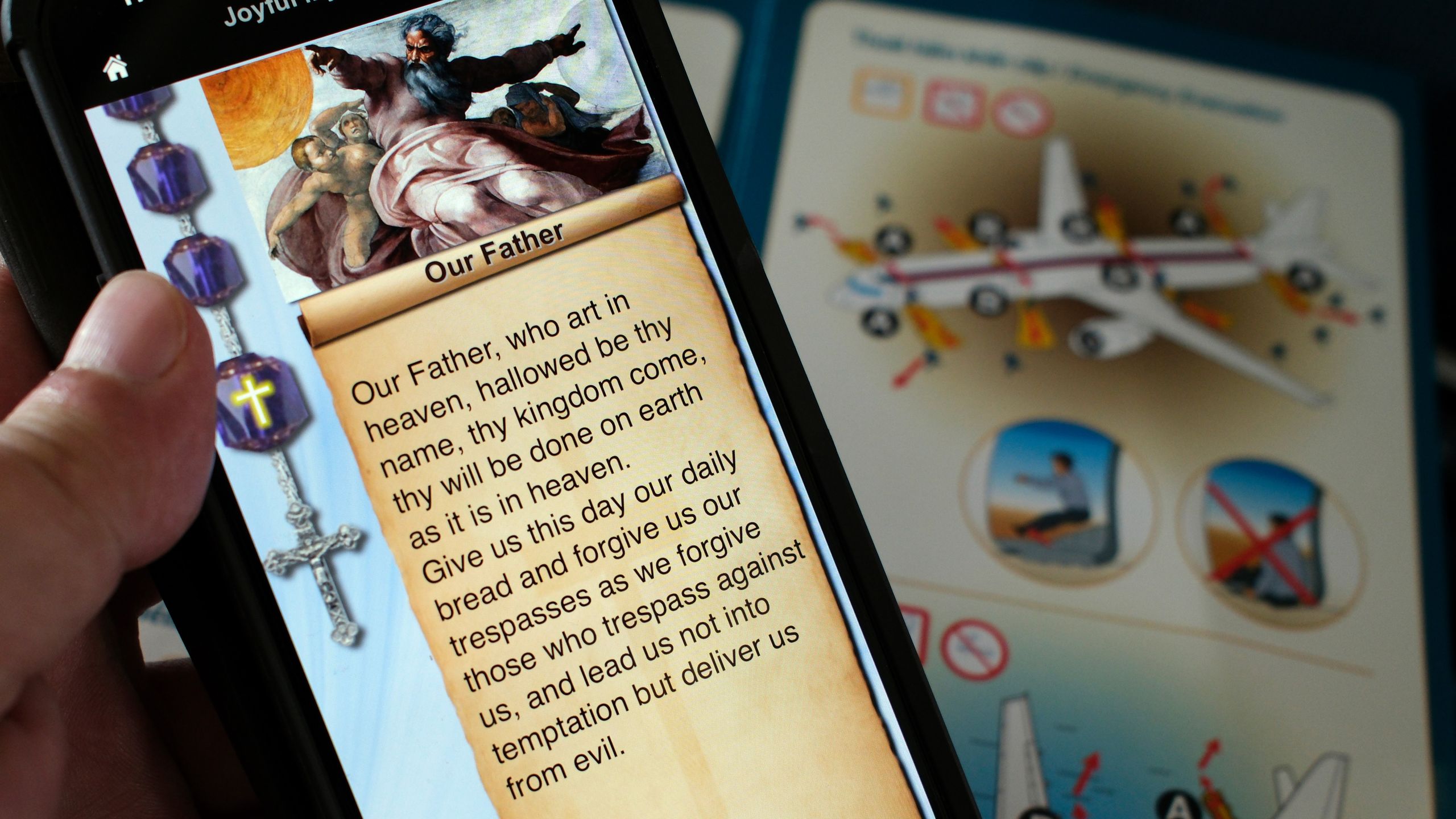
The information that anyone could get from the Click To Pray app’s database included first and last names, email addresses, and birthdates, among other information. You may not think this is much, but getting names and email addresses is more than enough for bad actors to start sending phishing emails to vulnerable users. BobDaHacker also pointed out that most of the app's users are likely older people who aren’t tech-savvy, so any enterprising scammer could tap into the app for a literal treasure trove of email addresses.
It was also easy to get the complete list automatically. The user ID assigned to new accounts is sequential, and since there’s no rate limiting for the API, all it takes is one GET request per user to capture all that information. Aside from this, the validation_hash used to verify the validity of an account signup is also stored in the clear, meaning anyone with access to the API can verify an account by opening their inbox. The email also had security issues that make it look like a phishing email, even if it’s legitimate.
You may think that a prayer app shouldn’t be much of a target for cybercriminals, especially as this has a small install base compared to the 16 billion accounts exposed in one of the largest data breaches in history. But the fact that it had almost 720,000 accounts as of July 2026 meant that there’s a lot of possible targets within that database. Even if just 1% of these users respond to an enterprising cybercriminal who harvested their email addresses from the app, that’s more than 7,000 different individuals who could lose money because of this leak.
BobDaHacker waited for six months for a response, but, unfortunately, no one related to the app responded to their concerns. Because of this, they contacted Nate Neslon, a security journalist for Dark Reading (who similarly received crickets after contacting them), who published a story about it. It was only after the news went live that the app’s security lapses were fixed, even if BobDaHacker wasn’t, at the very least, acknowledged by the makers of the app. Hopefully, no other hackers were aware of the weaknesses of the Click To Pray app.
Apple's Hide My Email service reportedly reveals users' actual email addresses with little effort — Cupertino has seemingly known about the problem for a year but has yet to fix it
Robot vacuum flaw lets one stolen certificate run root commands on other Shark robovacs in the same AWS region
Outlook may have allowed unencrypted connections for decades, report claims
Key considerations
- Investor positioning can change fast
- Volatility remains possible near catalysts
- Macro rates and liquidity can dominate flows
Reference reading
- https://www.tomshardware.com/tech-industry/cyber-security/SPONSORED_LINK_URL
- https://www.tomshardware.com/tech-industry/cyber-security/security-flaw-in-vaticans-click-to-pray-app-leaves-over-700-000-global-users-exposed-app-has-been-leaking-user-data-for-over-six-months-and-still-does#main
- https://www.tomshardware.com/subscription
- Geekbench 7 introduces biggest overhaul yet — real-world CPU testing, new media workloads, AI benchmarks, and CUDA support
- OpenAI's HuggingFace breach heralds an unprecedented age of AI cyber warfare — contemporary LLMs have caused massive upheaval in cybersecurity, and it's only go
- NVIDIA Introduces New Jetson Thor Computers to Advance Mainstream Robotics and Edge AI
- Gigabyte announces support for Chinese-made CXMT memory — pushes it to 8200 MT/s on Socket AM5
- GeForce NOW Turns Up the Heat With New GeForce RTX 5080-Powered Toronto Server
Informational only. No financial advice. Do your own research.