
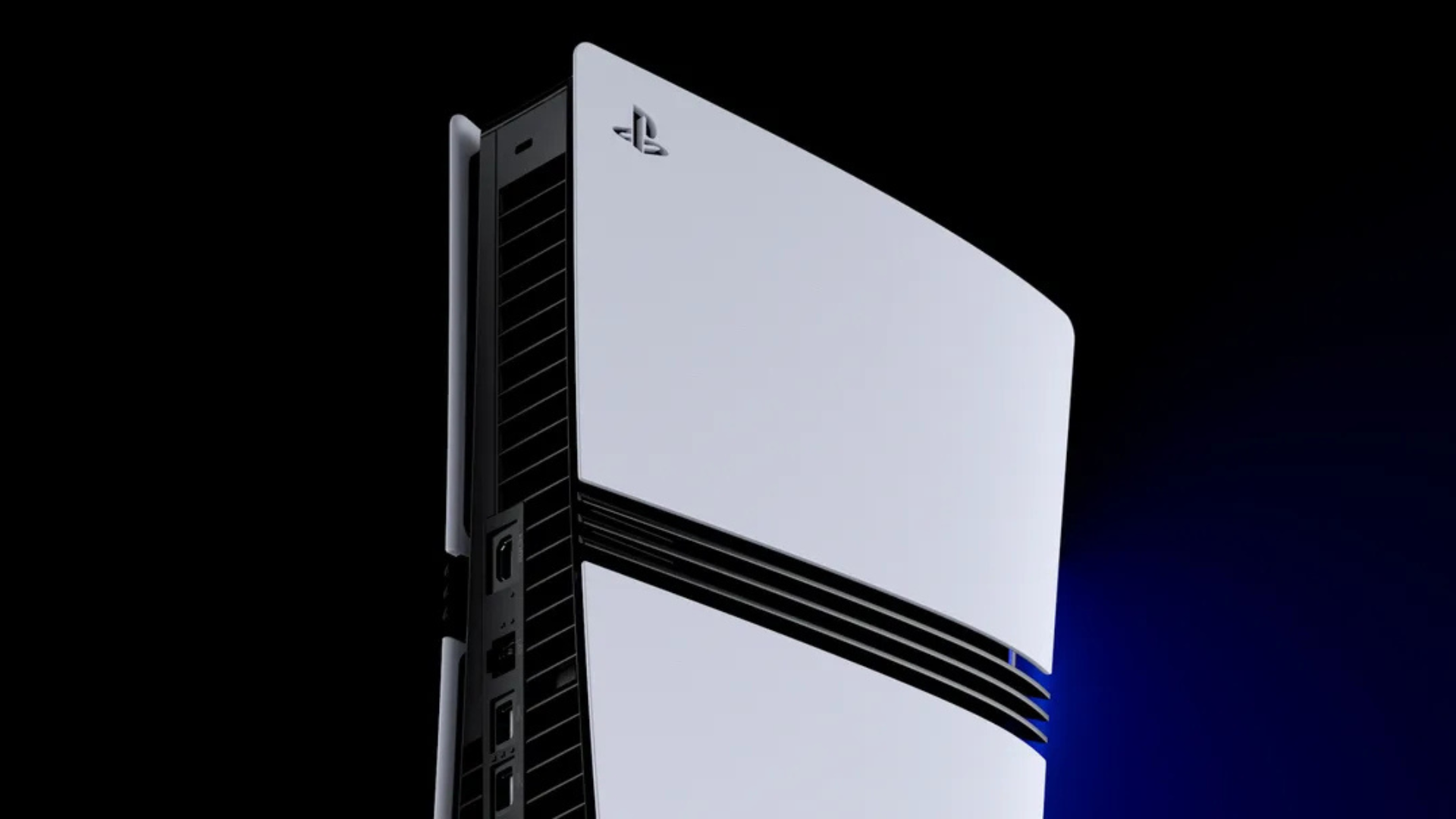
Both Sony’s motion and the plaintiffs’ response will then be heard by Judge Vince Chhabria on October 1st in San Francisco. Its fallback asks Judge Chhabria to dismiss the case outright on the grounds that the checkout flow already complies with California law, with Sony’s filing arguing that “reasonable consumers would not be misled” into believing they own digital games because buyers agree to the license terms via the Software Product License Agreement before the purchase is finalized. Quoting Section 8.4 of the PlayStation Terms of Service, the motion states that a purchase buys “a personal license” and that users “do not own the product,” and Section 1 of the SPLA, which reads: “The software is licensed to you, not sold.” Sony’s lawyers, then, appear to contend that digital purchasers inherently understand that they can’t own a game the way they’d own a physical object, since a digital copy isn’t exclusive to any one buyer.
The filing also argues that claims over digital game ownership are highly unlikely (prima facie implausible), pointing to the plaintiffs’ own purchase histories in what is either a wild display of mental gymnastics or a bad-faith attempt to argue that, in saying they own the games they’ve purchased, the plaintiffs are trying to stake a claim to owning the game IP outright, which they obviously don’t. Sony highlights that Heycock bought Resident Evil Requiem for $69.99 on February 25, 2026, 11 days after co-plaintiff Jason Mendoza bought the same game, and argues that if a purchase conveyed ownership, Mendoza would have owned the title and Heycock’s transaction couldn’t have happened.
California Assembly Bill 2426 took effect on January 1, 2025, and bars sellers of revocable digital goods from using language like “buy” and “purchase,” or any term that a reasonable person would read as conferring ownership, unless the seller collects an affirmative acknowledgment that the transaction is a license or displays a clear and conspicuous statement, distinct from other T&Cs, before checkout.
Sony doubles down on axing physical game discs — CFO reiterates 'we’re going to cautiously move this forward'
Microsoft loses Brazilian court case after telling hacked Xbox user to re-purchase games
Sony officially kills the PlayStation disc, ending physical game production in 2028
Subscriptions, free content, and games offered for permanent offline download are exempt, and violations carry potential misdemeanor liability and civil penalties. Valve added a license disclaimer banner to Steam’s shopping cart within weeks of the bill’s signing in 2024. Sony’s checkout, meanwhile, links to the Terms of Service and license agreement in fine print but requires no acknowledgment and shows no separate statement.
The only real precedent on AB 2426 is Casell v. Ubisoft , which reached no ruling on digital ownership. Players sued in November 2024 over the server shutdown that rendered The Crew unplayable, but their purchases and the filing itself predated § 17500.6, so the statute was never applied to the case. The plaintiffs voluntarily dismissed the federal action in June 2025, refiled in Sacramento County Superior Court, and reached a class settlement with Ubisoft that’s now in the approval process.
The plaintiffs’ opposition to Sony’s motion is due September 4, and Sony’s reply is due September 11, ahead of the October 1 hearing. The dispute runs alongside Sony’s controversial intent to wind down physical media production for new PlayStation releases and comes months after a firmware change briefly convinced players that digital games required an online check-in every 30 days .
Follow Tom's Hardware on Google News , or add us as a preferred source , to get our latest news, analysis, & reviews in your feeds.
Luke James Social Links Navigation Contributor Luke James is a freelance writer and journalist. Although his background is in legal, he has a personal interest in all things tech, especially hardware and microelectronics, and anything regulatory.
ThisIsMe russell_john said: Ignorance of law is no excuse and pleading ignorance is not allowed in any court in the world. That is 100% correct, and is also likely how the defense would like to redirect a case like this. Basically redirecting the case into you attacking/defending the wrong approach. The correct approach is to prove ignorance of facts surrounding the case. This would be based on intentionally misleading and intentionally encouraging wording on brief explanations and buttons that encourage hasty action by invoking trust based on an experience designed to mimic a typical “buy” action and not a “lease” or “rent” or otherwise “time limited” transaction agreement. Reply
Arkitekt78 Of course they want arbitration – they are getting demolished on the internet and their stubbornness and greed are sending their fanbase away in droves. A public hearing would be disastrous. And hilarious. Reply
Kindaian Yes, it's a license, but a normal user, when they see a "Buy" button, will assume that the license is permanent and without end, specially as those terms have not be defined at the time of buying by the seller. So now changing the terms and/or removing access to said content can be construed as a false advertisement at best, and tort at worse. Reply
Taskun If Heycock and company want to reach out I'd be glad to offer what knowledge and experience I have as a pro se litigant. Their defense premise is false. They're attempting to reclassify and redefine things in their favor, not unlike Meta with the social media vs entertainment argument. Ultimately, they have to prove that their claim is hope MOST consumers think. And it isn't. We all agree when I press buy I expect to own it, digital or not. Otherwise, you say "rent". Movies on platforms like Google say Rent vs Buy. So it seems as if Sony wants to rules inequitably in their favor. They don't want fairness in the law; they want control over it. Reply
ezst036 Kindaian said: Yes, it's a license, but a normal user, when they see a "Buy" button, will assume that the license is permanent and without end, specially as those terms have not be defined at the time of buying by the seller. So now changing the terms and/or removing access to said content can be construed as a false advertisement at best, and tort at worse. Sony is treating its licensing and terms like a living and breathing document. Nobody would ever want their contracts handled that way be it healthcare agreements, constitutions, nor video games. With this, the outrage against the living and breathing treatment makes total sense. But the fact remains: Buying is not "owning". Buying is only licensing and nothing more. Licensing. Reply
Key considerations
- Investor positioning can change fast
- Volatility remains possible near catalysts
- Macro rates and liquidity can dominate flows
Reference reading
- https://www.tomshardware.com/video-games/console-gaming/SPONSORED_LINK_URL
- https://www.tomshardware.com/video-games/console-gaming/playstation-store-buy-button-class-action-may-never-reach-a-courtroom#main
- https://www.tomshardware.com/membership
- Jensen Huang and Lisa Su snubbed by TIME’s 2026 list of top 100 AI leaders — Paris Hilton and Ben Affleck, among others, make the list as ‘Architects of AI’ ine
- BlindLock hides your password manager and secure vault in a PNG image — also offers secure notes, 2FA, and a crypto address book, with optional hardware securit
- Jensen Huang and Lisa Su snubbed by TIME’s 2026 list of top 100 AI leaders — Paris Hilton and Ben Affleck, among others, make the list as ‘Architects of AI’ ine
- BlindLock hides your password manager and secure vault in a PNG image — also offers secure notes, 2FA, and a crypto address book, with optional hardware securit
- Linux kernel nears record 2,000 vulnerabilities per release as AI bug hunters scour 40 million lines of code — maintainers say they are 'completely overwhelmed'
Informational only. No financial advice. Do your own research.