
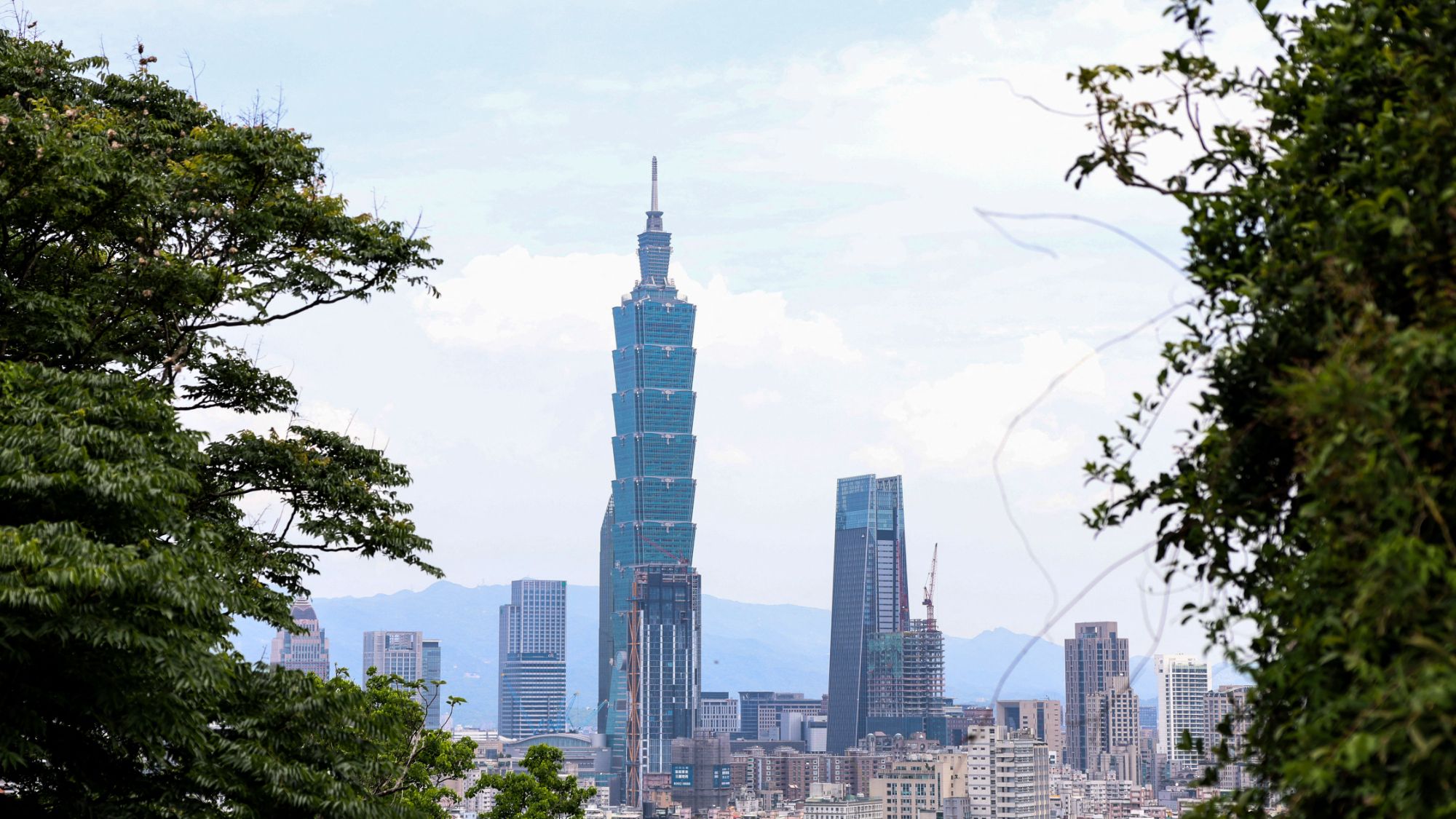
Though Taiwanese prosecutors claim this new 50-server case was initiated independently of the U.S. investigation, it targets the exact same vulnerability. Smugglers have long used Taiwan as a transit hub, banking on the hope that local compliance teams look the other way. The fact that Taipei is now using local forgery and fraud laws to lock people up signals a major policy shift under President Lai Ching-te, who is under immense pressure from Washington to secure the global AI supply chain.
Chinese Nvidia Cloud Partner procured 300 servers with banned AI GPUs worth $92 million
The Super Micro AI accelerator smuggling scandal proves how cut-throat the global AI race has become — as global trade evolves, so does export control evasion
Supermicro employees accused of smuggling $2.5 billion worth of Nvidia hardware to China
For those tracking this story closely, Taiwan's sudden aggression isn't really a surprise. Reports of underground hardware in China include thriving repair shops working on illicit Nvidia GPUs and firms stripping restricted NVIDIA silicon off dead boards to build custom "Franken-cards," show chip smuggling is a significant issue.
Yesterday's raids in Taiwan suggest the government is finally taking a harsher stance on the issue. The timing of the Taiwan crackdown is pretty ironic, though; just this week, NVIDIA dropped its Q1 Fiscal 2027 financial results , and the numbers show that the company essentially has a license to print money, regardless of what happens on the black market.
Nvidia pulled in a staggering $81.6 billion in total revenue, an 85% increase year-over-year, with a mind-melting $75.2 billion of that coming strictly from its Data Center division. Driven by insatiable demand for its Blackwell architecture GPUs, Nvidia's growth has gone entirely parabolic. The most critical piece of data for the smuggling narrative was buried in Nvidia's forward guidance, though; management explicitly stated that the company is assuming zero data center compute revenue from China moving forward.
The analysis here is simple: Nvidia has successfully decoupled its legal financial future from China. Nvidia doesn't need the market, and some would argue it doesn't need the regulatory headache. For the black market, the walls are closing in fast. When chip smuggling was just a U.S. DOJ priority, enforcement was limited by geography. Now that key manufacturing and transit hubs like Taiwan and Singapore are actively hunting down middlemen using local criminal fraud laws, the supply chain is fracturing. Getting banned Hopper or Blackwell chips into mainland data centers just became exponentially more fraught.
Get Tom's Hardware's best news and in-depth reviews, straight to your inbox.
Key considerations
- Investor positioning can change fast
- Volatility remains possible near catalysts
- Macro rates and liquidity can dominate flows
Reference reading
- https://www.tomshardware.com/desktops/servers/SPONSORED_LINK_URL
- https://www.tomshardware.com/desktops/servers/taiwan-raids-12-locations-in-its-first-formal-crackdown-on-nvidia-ai-chip-smuggling-hunts-three-fugitives-for-document-forgery-fraudulent-declarations-in-super-micro-smuggling-case#main
- https://www.tomshardware.com
- Save up to $350 on an iBuyPower gaming PC in this massive Memorial Day sale — use the coupon code to secure a high-spec pre-built rig or configure your own with
- License to Stream: ‘007 First Light’ Coming to GeForce NOW With an Ultimate Bundle
- Angry tiny Texas town council member proposes total ban on cellular and GPS devices in protest over AI dispute — says 'Let’s take Bandera back to 1880' after to
- The 15 Best Memorial Day deals on Dell and Alienware laptops, desktops, and monitors — save up to $900 on the latest tech
- NVIDIA Launches Nemotron 3 Nano Omni Model, Unifying Vision, Audio and Language for up to 9x More Efficient AI Agents
Informational only. No financial advice. Do your own research.