
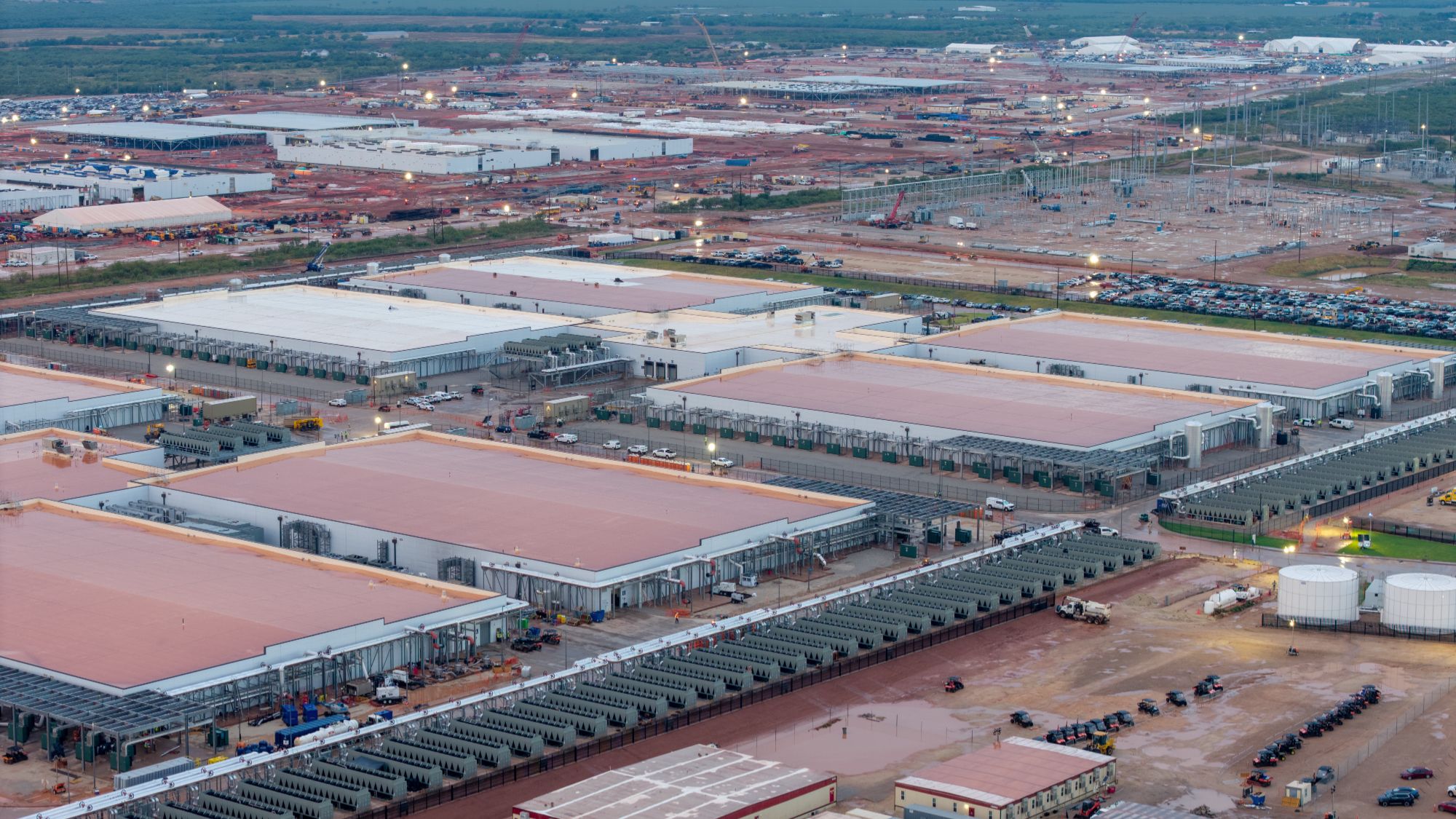
However, it seems that some county officials are catching on with this pattern and are actively moving to block or at least delay these power-hungry projects. This is especially true as an increasing number of Americans are opposing the construction of these AI data centers in their neighborhood. “The data center folks have found a sweet spot in the state that has limited regulations, limited enforcement, limited code, and they’re coming faster than we can keep up with,” Hill County Commissioner Jim Holcomb told the publication. “I think it’s imperative … that we tap the brakes and we get our arms around what we’re faced with and do the research, do the studies.”
One of the biggest issues that communities have around data centers is the increased power rates caused by the power-hungry infrastructure. The U.S. power grid companies are upgrading their infrastructure to handle the increased loads that AI infrastructure demands, but these expenses are evenly distributed to all ratepayers. This meant that even residential users and small businesses are slapped with higher utility bills , with electricity costs across the U.S. rising by more than 30% since 2020. In fact, the state of Maryland complained to the Federal Energy Regulatory Commission (FERC) after PJM Connection, LLC., the grid operator for the state (and 12 others), slapped it with a $2 billion bill to be passed on to all consumers for its grid upgrade costs.
Some projects are bypassing the electricity grid problem by building their own power. One data center project in Utah plans to use this approach by running entirely off-grid using natural gas . However, residents are concerned about the potential air pollution that such an operation could bring, especially as the site has a 9GW capacity — more than twice the amount of power that the entire state needs. Some people are also complaining about the noise pollution that these sites can bring, as well as raising issues about inaudible but “felt” infrasound that is suspected of causing adverse health effects.
These issues are just some of the things that the county likely wants to review, so the temporary delay is a win for the people of Hill County. Nevertheless, it’s not without risk to the local government and its leaders. County Attorney David Holmes said that they could be sued if they pass the moratorium, telling the commission, “You’re damned if you [do] and damned if you don’t.” Furthermore, Sen. Paul Bettencourt (R.-Houston) said in a letter to Texas Attorney General Ken Paxton that counties do not have the right to pass development moratoriums and asked them to investigate Texas counties that have passed one.
Get Tom's Hardware's best news and in-depth reviews, straight to your inbox.
Key considerations
- Investor positioning can change fast
- Volatility remains possible near catalysts
- Macro rates and liquidity can dominate flows
Reference reading
- https://www.tomshardware.com/tech-industry/big-tech/SPONSORED_LINK_URL
- https://www.tomshardware.com/tech-industry/big-tech/texas-county-passes-data-center-moratorium-for-a-year-follows-other-local-governments-pausing-similar-projects-but-state-senator-says-counties-cannot-impose-these-bans#main
- https://www.tomshardware.com
- TP-Link Archer BE770 Wi-Fi 7 router review: Prioritizing wireless performance over wired connectivity
- Taiwan declares itself 'sovereign and independent' after Trump questions US defense commitment — comments come after Trump said he opposes Taiwan independence
- First Apple M5 memory exploit discovered using Anthropic AI, gives root access on MacOS — Claude Mythos helps security researchers bypass Memory Integrity Enfor
- ASML to equip India’s first commercial chip fab — $11 billion Dholera project targets 50,000 wafers a month
- Forza Horizon 6 boots up in just 4 seconds instead of 90 with new Advanced Shader Delivery tech and AMD GPUs — Microsoft claims 95% reduction in gaming load tim
Informational only. No financial advice. Do your own research.