
Oliver Haslam Contributing Writer Oliver Haslam has written about technology of all shapes and sizes for over 15 years, both online and in print. He's fascinated by how personal computing continues to change as tower PCs give way to foldable phones and beyond.
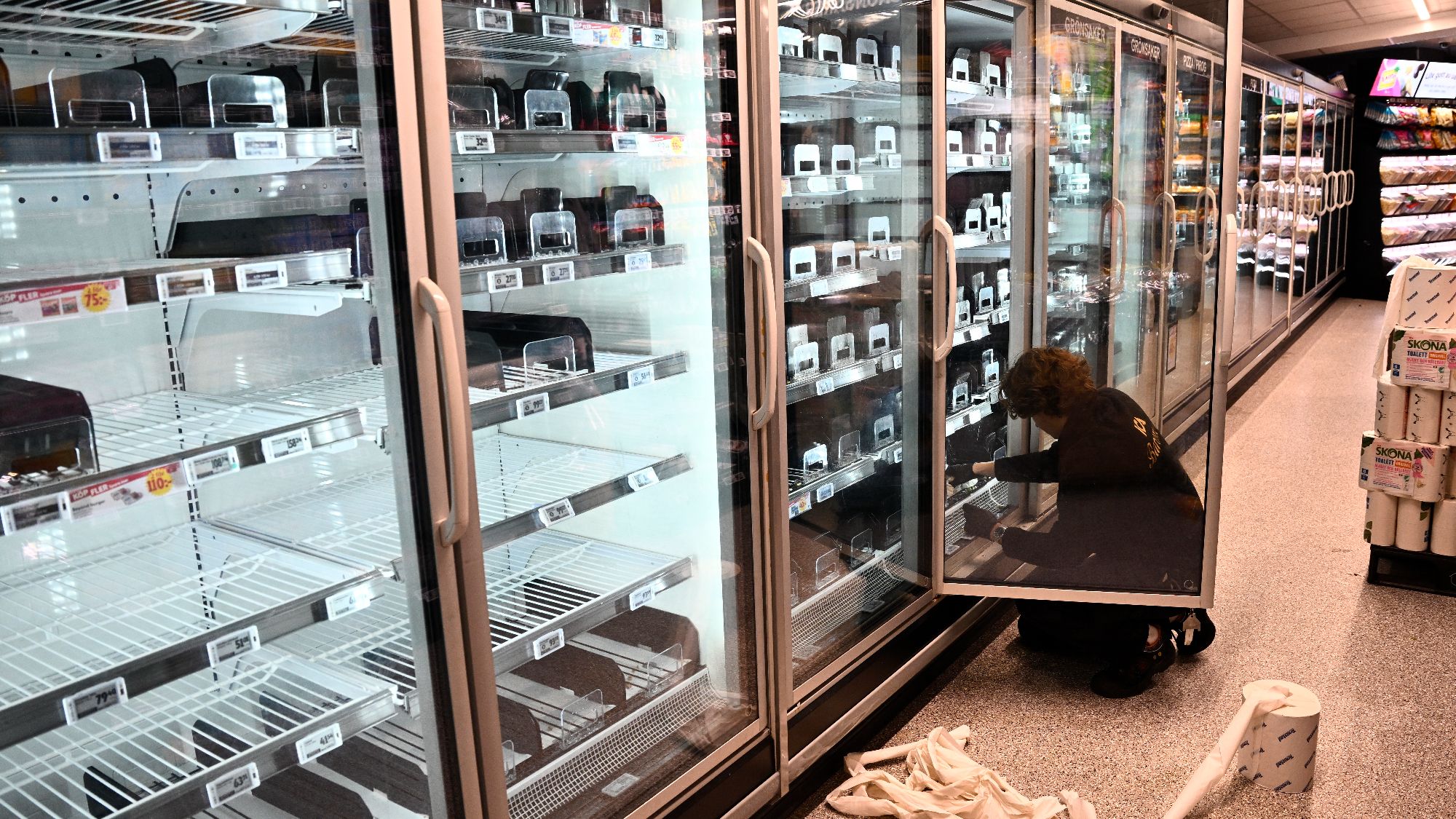
warezme Still not sure why these fridges have remote controls of temperature. I understand monitoring and alarms for failure our out of spec temperature but full software control of the hardware temperature adjustments remotely?? Reply
TechieTwo How can companies be so technically illiterate as to not understand hackers will hack anything and everything they can? For many it's just a game. Reply
davisch I'm confident the firmware maintainers will abandon it again and these devices will be victim of another cyber attack in short time. As they say… the "S" in IoT is for security. Reply
bigdragon TechieTwo said: How can companies be so technically illiterate as to not understand hackers will hack anything and everything they can? For many it's just a game. You need to think like a marketing executive. Companies were supposed to buy the new refrigerator models with the cybersecurity features baked in. They weren't supposed to patch, upgrade, and secure the old models. Throw those out and buy new! How dare the UK disrupt forced obsolescence! Reply
King_V I was more confused and wondering how can a refrigerator be cranked up to heat the items to 50 C? Are these units a kind of a dual-purpose refrigerator and heater? Reply
Dementoss King_V said: I was more confused and wondering how can a refrigerator be cranked up to heat the items to 50 C? Are these units a kind of a dual-purpose refrigerator and heater? It is so periodic defrosting can be done quickly, with minimum disruption. This security operation shows what can be done when government organisations and private companies work together effectively, pity it doesn't happen more often here in the UK… Reply
FoxTread3 November 21, 2026 (dated for context and reference) – This is a perfect example of "willful stupidity and lack of foresight", aka WSLF.. You heard it here first😏 More intelligent people that are capable of thinking in terms of worse case scenarios, have pointed out that most things DO NOT need to be connected to the internet. Some have said.. gasp.. horror, that often times centers and systems connected to the electric grids. Are on the internet, to make it easier for the people responsible for their maintenance and oversight, to keep track of them and to control them. Companies like LG, Microsoft and others, convince the general public that it is "convenient" and necessary for their products to be on the internet. As it turns out, their main goal is to get information about their "customers" and how they use their products. The average person's fascination with the latest and greatest, along with people that work for agencies, and corporations. Have NO idea as to the vulnerability to attack that systems and things like even toasters connected to the internet can be. This is only the beginning, as more things are connected to the internet, AI is introduced to just about every facet of modern life, and clueless, incompetent people are unable to create controls, and monitors for those things. One example of what can happen, is when a hurricane some years ago hit New York City. The power went out, and doors that controlled entry and exit using keycards. Were inoperable and people were stuck in and out of various kinds of buildings.. including residentials. This is not to mention that banking systems and ATMs didn't function. We don't need AI to turn on us.. We're doing a good job on ourselves already. Reply
Key considerations
- Investor positioning can change fast
- Volatility remains possible near catalysts
- Macro rates and liquidity can dominate flows
Reference reading
- https://www.tomshardware.com/tech-industry/cyber-security/SPONSORED_LINK_URL
- https://www.tomshardware.com/tech-industry/cyber-security/thousands-of-vulnerable-fridges-patched-against-cyberattacks-in-secret-operation-uk-takes-action-following-hacks-that-destroyed-food-supplies-with-50-degree-defrosting-hijack#main
- https://futureplc.com/terms-conditions/
- NVIDIA and Microsoft Expand Accelerated Computing From Azure to Windows PCs
- NVIDIA Expands Slurm to Bring Quantum Computing Into Supercomputing
- One of the best gaming headsets plummets to just $78 at Amazon in unmissable Black Friday deal
- Redditor forced to bring desktop PC in checked luggage on US-to-UK flight with GPU still installed
- Lawyer’s $9,450 private AI server with 12 used Nvidia V100s now runs every DeepSeek V4.1 Flash expert
Informational only. No financial advice. Do your own research.