
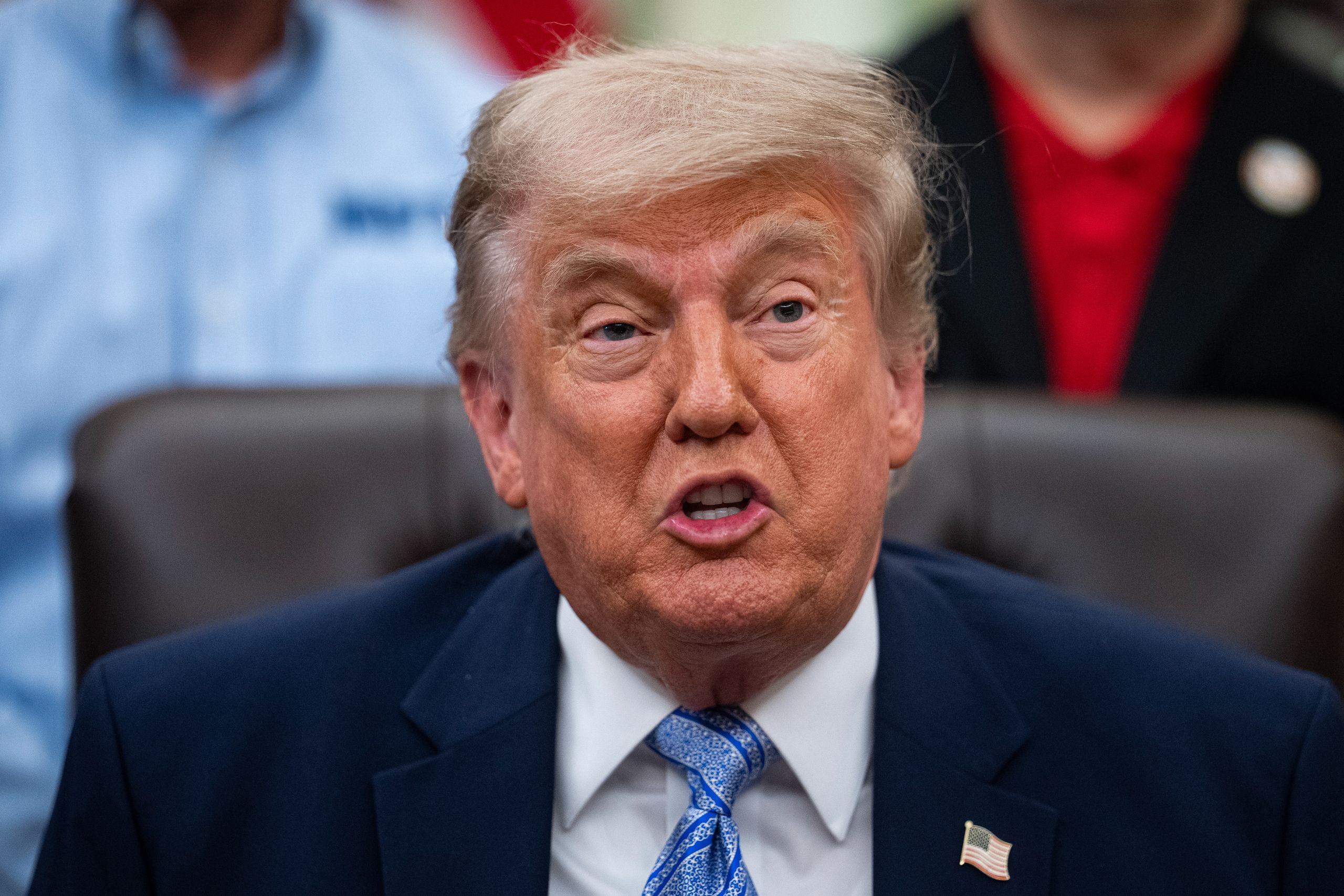
While it’s a voluntary framework that creates no licensing or pre-clearance requirement, it tasks the National Security Agency, the Cybersecurity and Infrastructure Security Agency (CISA), and the National Institute of Standards and Technology with building a classified benchmark that decides which systems qualify as a "covered frontier model."
The 30-day review only applies to models that meet the classified threshold, which the NSA will set in consultation with the National Cyber Director and CISA. Developers who opt in would open their models to agency review before the systems reach other trusted partners, and the order puts those same agencies in the room to help choose the partners. Section three states that nothing in it authorizes mandatory government licensing, pre-clearance, or permitting for new models, including frontier models.
The order also directs the Treasury Department to stand up an "AI cybersecurity clearinghouse" that coordinates vulnerability scanning, validation, and patch distribution alongside AI firms and operators of critical infrastructure such as rural hospitals, community banks, and local utilities. Separate provisions steer federal grant money toward companies building AI vulnerability detection and widen the U.S. Tech Force's cybersecurity hiring pathways.
In April, Anthropic's Claude Mythos preview identified thousands of zero-day vulnerabilities across major operating systems and web browsers, and the company has since grown its Project Glasswing early-access program for the model. It’s clear that the order has come in response to Mythos and other increasingly powerful frontier models, with reports suggesting that the Trump administration had been weighing pre-release vetting since at least the spring, when officials briefed Anthropic, Google, and OpenAI on an order that an early, unsigned draft would have made mandatory.
White House reportedly considers mandatory government vetting of AI models before release
Trump administration considers mandatory pre-release vetting of AI models — Anthropic's Mythos cited as catalyst for policy reversal
Google, Microsoft, and xAI agree to let US government test AI models before public release
The trusted-partner provision of the order is likely to draw extensive criticism because ot places the government in the room when labs decide who gets first access to their strongest models. Speaking to The Register , Cato Institute policy analyst Juan Londoño said that such moves could “open the door to potential weaponization against companies that have any sort of conflict with the administration.”
This isn’t a hypothetical, either; the Department of Defense labeled Anthropic a supply chain risk shortly before the Mythos preview shipped, a designation that bars defense contractors from using the company's technology, and Anthropic has sued to overturn it . That litigation remains unresolved.
Get Tom's Hardware's best news and in-depth reviews, straight to your inbox.
Key considerations
- Investor positioning can change fast
- Volatility remains possible near catalysts
- Macro rates and liquidity can dominate flows
Reference reading
- https://www.tomshardware.com/tech-industry/artificial-intelligence/SPONSORED_LINK_URL
- https://www.tomshardware.com/tech-industry/artificial-intelligence/trump-signs-ai-executive-order-seeking-30-day-government-access-to-frontier-models-before-release#main
- https://www.tomshardware.com
- Frore shows off LiquidJet Nexus coldplate for Nvidia Vera Rubin, other AI accelerators — offers up claimed 10% token generation boost over rival liquid-cooling
- Jensen Huang says 'every edge device will become autonomous' — Nvidia maps one computing pattern from the cloud to robotics
- $559 Nvidia RTX 5070 GPU deal is the cheapest model available — 1440p high-performance gaming at just $10 above MSRP
- Jensen Huang says 'every edge device will become autonomous' — Nvidia maps one computing pattern from the cloud to robotics
- Nintendo Switch 2 with user-replaceable batteries coming to the EU — console maker confirms it will comply with regulations set to take effect from 2027
Informational only. No financial advice. Do your own research.