
When you purchase through links on our site, we may earn an affiliate commission. Here’s how it works .
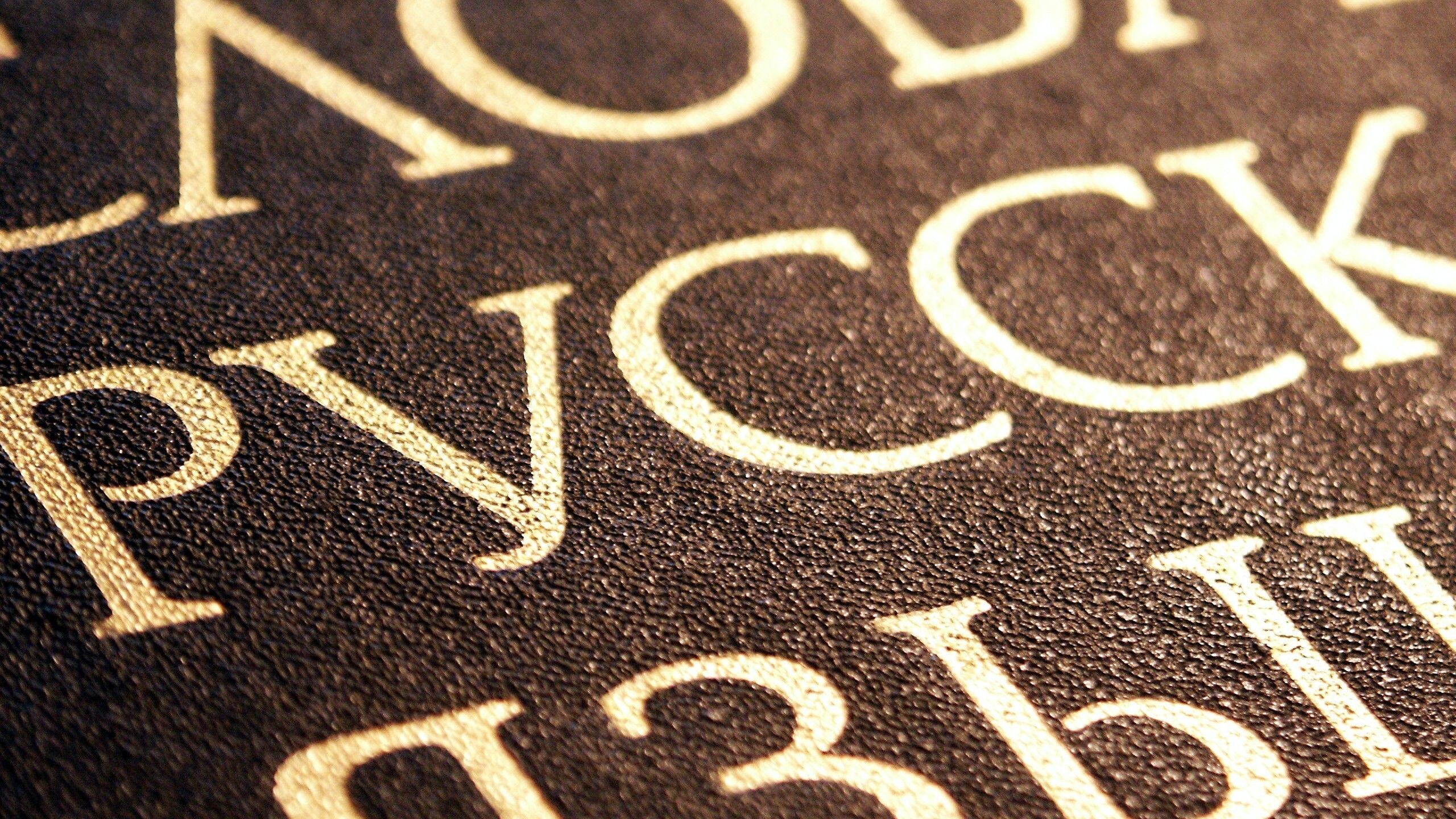
Using "аррӏө.com" as an example — which is in fact not identical to the real "apple.com" — the researchers show how specific combinations of characters can still evade multiple layers of protection, thanks to the particular circumstances surrounding the use of specific Cyrillic characters. This alphabet has lookalikes for many Latin letters. For example, а → a, е → e, о → o, р → p, and с → c. We forgive you if you can't spot the differences.
Trying to sneak the one homoglyph into the middle of standard Latin ones triggers Chromium's safeguards and makes the browser display the domain name in its Punycode format. For example, using the Cyrillic "а" with "pple.com" would show up as "xn--pple-43d.com". With few exceptions, domain names with non-Latin characters ending in .com only pass the check if they're all from the same alphabet.
Having said that, opting to try "аррӏе.com," using all Cyrillic lookalikes, would also go bust. Chromium keeps a list of 29 Cyrillic characters that routinely masquerade as their Latin counterparts, and composing a domain name using only characters from that list is a no-no.
So how does "аррӏө.com" pass? Allow us to illustrate with bigger text below. Note how the right-hand Cyrillic character is actually an oval with a line across it.
Blockchain-assisted cyberattacks surge fivefold, driven by Iranian and North Korean state actors, Russia-linked groups
Researchers easily trick Fortune-500 companies' AI agents into running arbitrary code — supply-chain attack via llms.txt guidance file illustrates how data has become code
Anthropic's Claude hacked three real-life companies during security capabilities test
As you can surmise by now, the "ө" character is not in that special list of 29. While a more recent release of Chromium can and probably will add it, this reveals the difficulty of the problem: since there's no one-size-fits-all solution for detecting typo-squatting, even the best set of rules will sooner or later end up on the wrong side of a corner case.
It takes many watchful eyes to play Unicode Pokémon and catch'em' all, especially given the character set continually evolves and now counts nearly 173,000 entries — though only a subset of those are eligible to be used as domain names or TLDs in practice.
Get Tom's Hardware's best news and in-depth reviews, straight to your inbox.
Key considerations
- Investor positioning can change fast
- Volatility remains possible near catalysts
- Macro rates and liquidity can dominate flows
Reference reading
- https://www.tomshardware.com/tech-industry/cyber-security/SPONSORED_LINK_URL
- https://www.tomshardware.com/tech-industry/cyber-security/typo-squatting-attacks-with-major-domains-are-still-viable-corner-cases-with-cyrillic-characters-still-evade-the-best-checks#main
- https://www.tomshardware.com/membership
- Flock camera locations revealed on MapQuest’s new Surveillance Layer
- Gigabyte X870 Aorus Infinity Motherboard Review: limited-edition, designed for extreme overclocking, but pricey for X870
- Be There for the Beginning: Celebrate the Launch of NVIDIA RTX Spark
- Game decompilation hub freezes leaderboard after AI turns progress into a hollow numbers game amid explosion of 'AI slop'
- The Nordics and NVIDIA Show What’s Possible When a Region Commits to Advanced Computing
Informational only. No financial advice. Do your own research.