
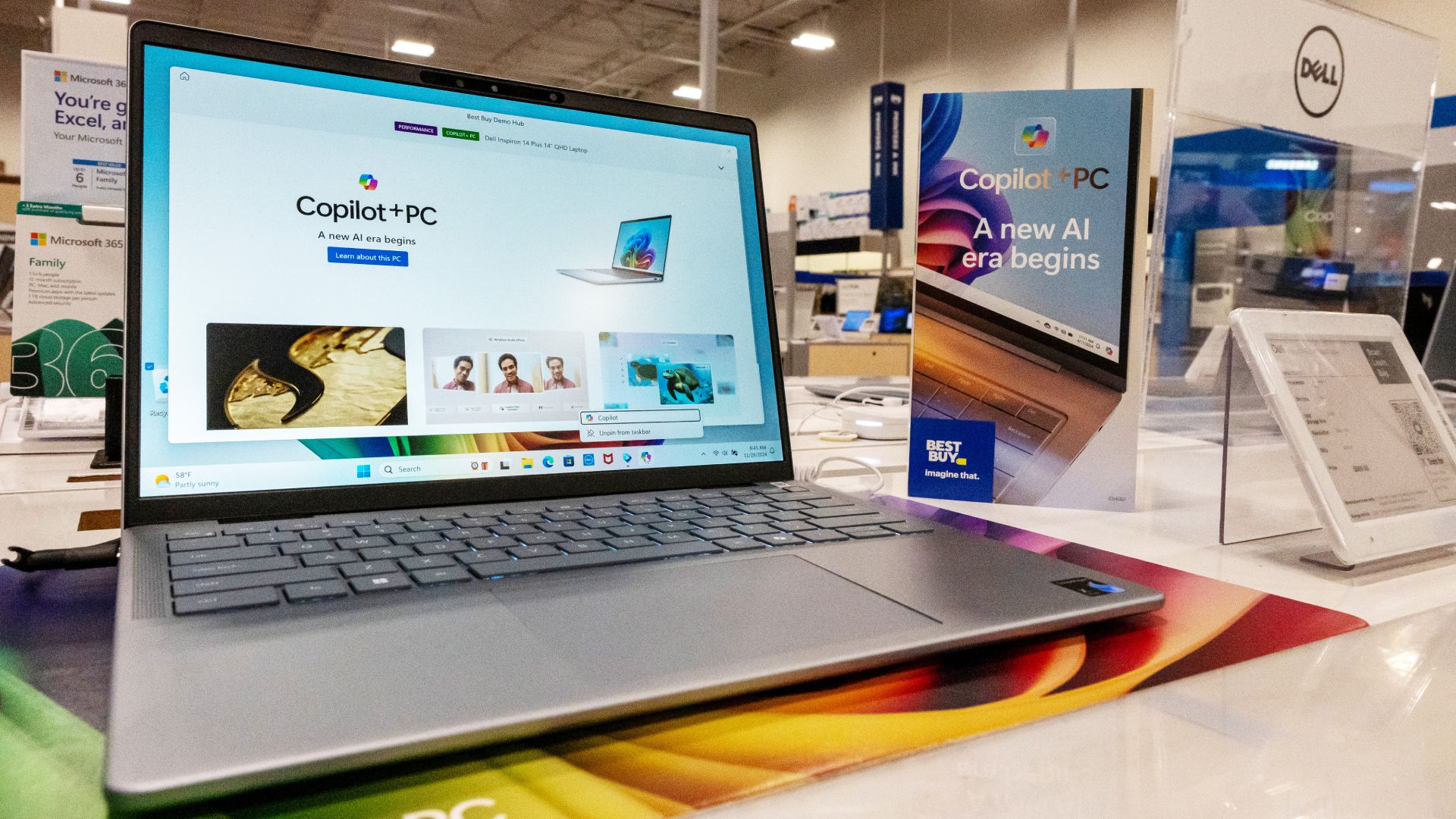
Outside of Lenovo and Dell, though, everyone else took a hit. HP is down, Acer is down, and even Apple is down 1.6% year on year. The nebulous "others" category that contains other major and minor manufacturers declined dramatically, too, falling over 13% year on year.
Omdia's research suggests that for those holding off on buying in 2026, the next year might be when they decide to bite the bullet anyway. The education sector is forecast for a massive near-29% drop in 2026 annual growth for PC shipments, but as far as Omdia sees it, it's coming back strong next year.
In 2027, Omdia predicts a large 21.3% increase in annual PC shipments. That might occur more towards the end of the year, when pricing and availability might have improved a little, and we'll have new generations of CPUs from AMD, Intel, Nvidia, and Qualcomm to play around with. That should help make existing devices more affordable. Although next-generation devices are likely to use more memory, so here's hoping component prices have stabilized at least a little by then.
But it's not just the economically-minded education sector that is set for a resurgence. Omdia predicts just about everyone will be more inclined to buy a new PC in 2027. Consumer confidence could return with a 7.5% growth over the year. That's coming off the back of a weak 2026, but it might be the start of when things may begin normalizing once more.
Ultimately, Omdia believes it will take until 2029 before we see U.S. PC shipments reach their 2025 levels, showcasing just how damaging the AI buildout has been on one of America's most reliable industries of the past few decades.
Jon Martindale is a contributing writer for Tom's Hardware. For the past 20 years, he's been writing about PC components, emerging technologies, and the latest software advances. His deep and broad journalistic experience gives him unique insights into the most exciting technology trends of today and tomorrow. ","collapsible":{"enabled":true,"maxHeight":250,"readMoreText":"Read more","readLessText":"Read less"}}), "https://slice.vanilla.futurecdn.net/13-4-25/js/authorBio.js"); } else { console.error('%c FTE ','background: #9306F9; color: #ffffff','no lazy slice hydration function available'); } Jon Martindale Freelance Writer Jon Martindale is a contributing writer for Tom's Hardware. For the past 20 years, he's been writing about PC components, emerging technologies, and the latest software advances. His deep and broad journalistic experience gives him unique insights into the most exciting technology trends of today and tomorrow.
Key considerations
- Investor positioning can change fast
- Volatility remains possible near catalysts
- Macro rates and liquidity can dominate flows
Reference reading
- https://www.tomshardware.com/tech-industry/SPONSORED_LINK_URL
- https://www.tomshardware.com/tech-industry/u-s-pc-shipments-drop-7-percent-market-isnt-expected-to-bounce-back-until-2029-price-hikes-and-component-shortages-take-hold-as-pc-market-declines-omdia-report-suggests#main
- https://www.tomshardware.com/my-account
- Apple's Hide My Email service reportedly reveals users' actual email addresses with little effort — Cupertino has seemingly known about the problem for a year b
- Into the Omniverse: Three Workflows for Improving Vision AI Agent Accuracy With Synthetic Data and Fine-Tuning
- How NVIDIA’s Inference Software Stack Powers the Lowest Token Cost
- Virginia county asks all employees, including schools, to conserve power due to AI-driven electricity price hikes — state's 400-plus data centers steadily incre
- Oomwoo is a new open-source robot vacuum you can 3D print yourself, sidesteps cloud security risks by running fully offline — project combines Raspberry Pi, 2D
Informational only. No financial advice. Do your own research.