
a]:text-inherit [&>a]:underline">
When you purchase through links on our site, we may earn an affiliate commission. Here’s how it works .
Interaxon, the Canadian firm behind the Muse sleep and meditation headband, is one of them. Its devices monitor electrical activity in the brain, alongside other physiological measurements, while users sleep. The recordings are processed into reports that help customers track their rest and identify changes in their sleeping patterns. But there is another use for that information. Interaxon has already trained an AI model using about 50,000 hours of EEG recording and says it removes identifying information, including names, email, and addresses, before using the data. “We aim to use as much of that eligible corpus as possible,” Nadia Kumentas, its Chief Marketing Officer, said.
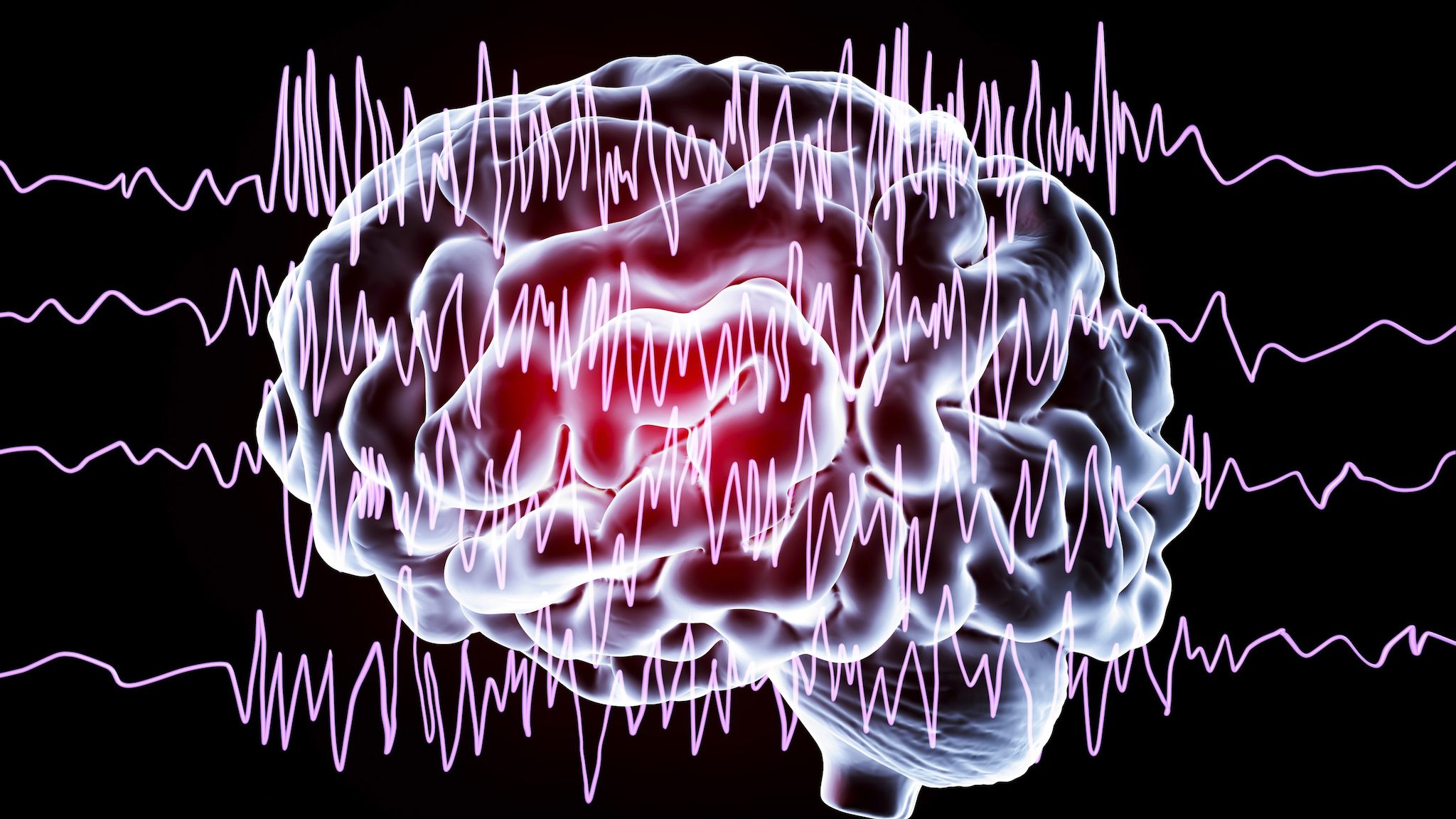
Notably, the idea behind these systems is particularly different from training a large language model. Instead of feeding AI an enormous amount of text, developers supply it with recordings of electrical activity in the brain. The model then learns recurring patterns that can be adapted to recognize different brain states or assist with specific research tasks. And there are already some interesting results. AI startup Piramidal has trained its model on more than 4 million hours of EEG data in partnership with Cleveland Clinic. The company developed a seizure-detection system that correctly identified nine out of 10 seizures in a pilot study after being fine-tuned on the clinic's recordings. That, however, doesn’t mean consumer headbands can suddenly read people's thoughts. Most wearable EEG devices use just one to six electrodes, considerably fewer than 19 to 25 typically found in clinical EEG systems. Also, their recordings are generally less comprehensive.
Meta's Muse AI agent accused of ignoring user permissions and accessing forbidden personal user data
Devs say Chinese AI company silently uploaded hundreds of megabytes of local workspace data
The industry has also been gathering neural recordings on a considerable scale. Last December, we covered Coundit ’s effort to collect 10,000 hours of neural data from thousands of patients. The San Francisco startup built its own headset system to capture brain activity alongside speech and text, with the aim of developing AI capable of translating signals into language. Meta has also been working on BrainQwerty , a non-invasive brain-computer interface that translates brain activity into keyboard inputs. Its second-generation system improved average word accuracy to 61% from 40% in the earlier version, although the technology remains a far cry from practical everyday use.
Get Tom's Hardware's best news and in-depth reviews, straight to your inbox.
Key considerations
- Investor positioning can change fast
- Volatility remains possible near catalysts
- Macro rates and liquidity can dominate flows
Reference reading
- https://www.tomshardware.com/peripherals/wearable-tech/SPONSORED_LINK_URL
- https://www.tomshardware.com/peripherals/wearable-tech/wearable-sleep-trackers-are-using-your-brainwaves-to-train-ai-models-without-explicit-user-consent-tens-of-millions-of-hours-of-eeg-data-harvested#main
- https://futureplc.com/privacy-policy/
- Synaptics sends cease-and-desist order to creator of open-source DisplayLink driver, dares him to publicize its threats
- How NVIDIA Open Source Tools Are Helping Researchers Build Next-Generation 6G Networks
- Nvidia CEO Jensen Huang summoned to Congress over affair with alleged Chinese spy
- Practice Makes Precise: At CoRL, NVIDIA and Partners Reveal How Robots Rehearse Delicate Work in Simulation
- Grab 32 GB of RAM for just $209.99 thanks to the G.Skill Ripjaws V DDR4-3200 kit
Informational only. No financial advice. Do your own research.