
A project-by-project audit finds most moratoriums miss the site, the permit, or the timeline.
When you purchase through links on our site, we may earn an affiliate commission. Here’s how it works .
The crux of the report is that, while everyone thinks the moratoriums are killing the U.S. buildout , its forecast has “barely moved over the last 12 months.” This forecast includes 38 GW of U.S. data center IT capacity in 2027, which is more than double that of 2026. Of that, 22 GW is under vertical construction, and the other 16 GW is mostly financed, with site work being done. The enacted local moratoriums cover about 20 GW with only about 1.5 GW of it delayed; New York’s pause adds 0.8 GW more. “We think moratoriums COULD delay the buildout, but they just aren’t yet at scale.”
The firm defines a moratorium as a “temporary legal pause,” and almost always a “freeze on accepting new applications.” More than 400 local instruments are tracked across 17 states, the enacted ones including a few permanent zoning bans, as of September. Four states acted in under two months this summer: New York, Texas, Pennsylvania, and Oregon. To test each active restriction against the records of thousands of projects, the firm’s analysts worked alongside “an army of state-of-the-art research agents.”
Several reasons are given for moratorium ineffectiveness, starting with the fact that they don’t revoke existing approvals. Short ones may expire before later projects need approval, and litigation or equipment lead times may already set the schedule. A moratorium moves the delivery date only if every condition holds, including that it reaches the parcel, is in force, overlaps the timeline, and covers the use in a way the project can’t work around. Capacity already under construction or fully permitted is also out of reach.
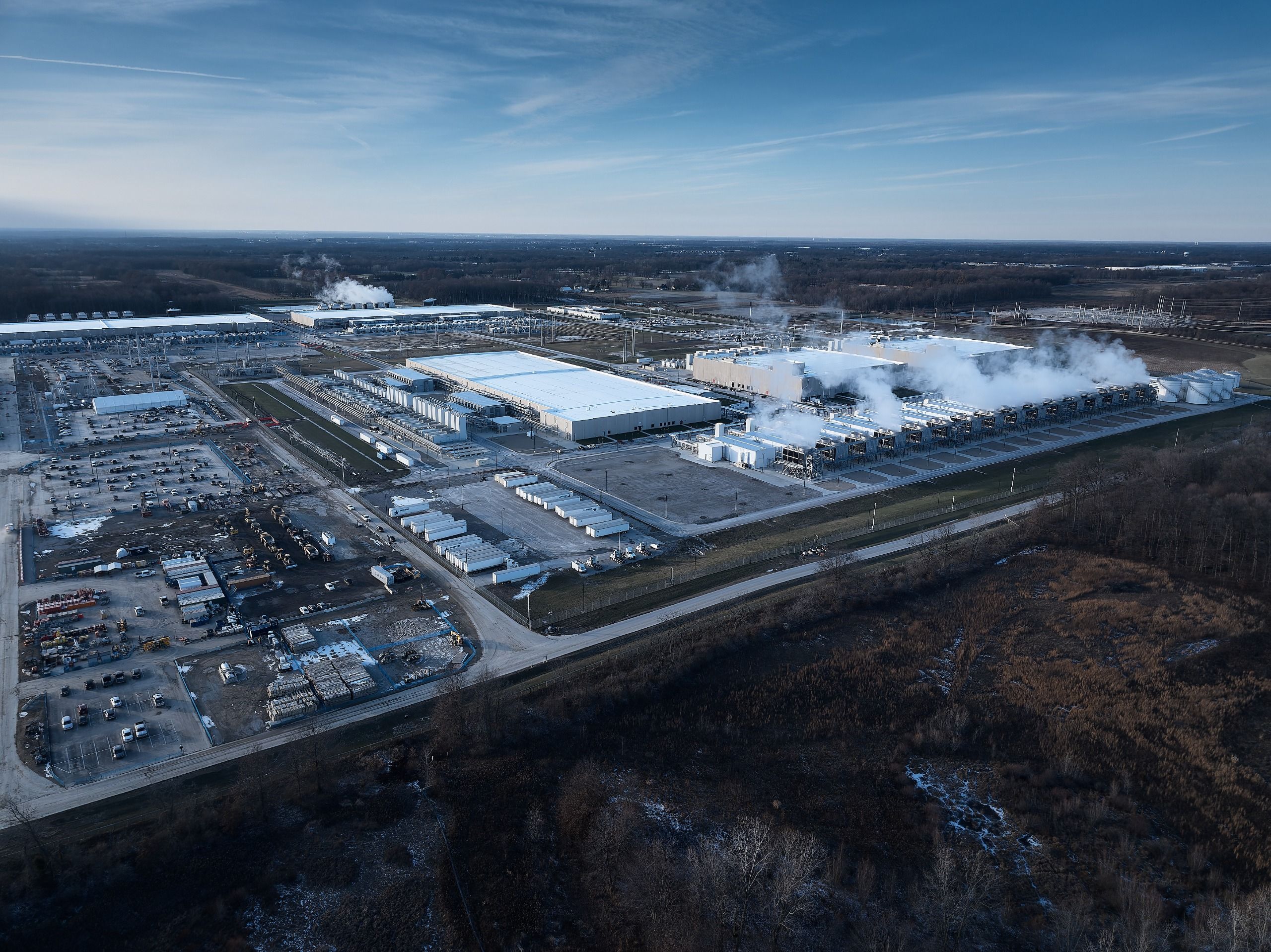
For example, Michigan has 45 enacted moratoriums but effectively zero pipeline exposure, and a Google campus there sits on industrial land already zoned for data processing. The firm says SpaceX’s planned data center in Brownsville, Texas, is on land the city removed from its limits and thus out of reach of the city’s moratorium. For a moratorium that did work, a township adopted a pause before NorthPoint, in Pennsylvania, filed for its special exception, with local approval pushed to next year. The company is still pursuing it.
AI data center bans surge past 500 nationwide as local US politicians begin quickly blocking new developments
Local opposition blocked $68 billion worth of data center projects in the second quarter of 2026
AI data center developers begin suing local jurisdictions behind bans and moratoriums
The 2.3 GW figure is also incomplete, as it leaves out the Texas Commission on Environmental Quality (TCEQ) pause. Texas Gov. Greg Abbott told the TCEQ to issue no permits for data center projects. Law firm Bracewell says this applies whether a project is in the Electric Reliability Council of Texas’s (ERCOT) queue or not, and expects the pause to last until ERCOT finishes its review in mid-December. Pauses like the TCEQ’s, and how they play out, could impact buildout forecasts.
The post quotes another by The Economist ’s Archie Hall, from a trip that covers Michigan and Ohio, with the reporter stating that data center moratoriums are “much more bark than bite” for the time being. He puts the bigger risk at deterring newer projects, though he guesses that affects where data centers end up more than whether they get built. His impression is that politics also plays a role, and according to the firm’s poll in August, more Americans have a negative rather than positive impression of data centers.
Get Tom's Hardware's best news and in-depth reviews, straight to your inbox.
Key considerations
- Investor positioning can change fast
- Volatility remains possible near catalysts
- Macro rates and liquidity can dominate flows
Reference reading
- https://www.tomshardware.com/tech-industry/data-centers/SPONSORED_LINK_URL
- https://www.tomshardware.com/tech-industry/data-centers/300-plus-local-data-center-bans-have-only-delayed-just-three-us-projects-bans-much-more-bark-than-bite-only-2-3-gigawatts-of-data-centers-are-held-up-versus-38-gigawatts-expected-online-in-2027#main
- https://www.tomshardware.com/membership
- Asus ROG Strix XG27AQGNV 27-inch G-Sync Pulsar gaming monitor review: Super smooth with unprecedented control
- Modder finishes nine-year Xbox 360 voltage glitch mod with a $4 microcontroller, cracks the console open
- MIT engineers build soft 3D shape-sensing skin for gaming and VR
- Why Telecom Operators Are Building Their AI Strategy on Open Models
- How NVIDIA GPUs Help Accelerate OpenAI’s GPT-6 Astra Ultrafast
Informational only. No financial advice. Do your own research.