
bit_user So, if one year they barely broke even, turning a $1 profit, and the next year they made $1M of profit, their profits would've grown 1 Million Times!!! Even though maybe their revenues increased only slightly (or maybe their costs decreased and their revenues just decreased a bit less). LOL. Reply
bit_user TechieTwo said: Proof of price gouging – because they can. 🙁 True. But, it's a cyclical business. You'd better take the profits in the fat times, because the lean times can be brutal. That's why so many other DRAM makers have gone under, gotten bought out, or gotten out of the business. Reply
SkyBill40 And next to none of this financial boon will be shared with those workers actually doing the labor. Reply
Staying RightBehindYou ivan_vy said: Well, my DDR4 memory will have to last another five years, at the very least. I don't think it will ever be back to normal. Reply
usertests Staying RightBehindYou said: I don't think it will ever be back to normal. Even in the absence of the AI boom, there has always been pressure to deliver denser memory, which lowers manufacturing cost per bit. Around 2022-2024, 24-32 Gb memory dies were introduced. 16 Gb had been around since 2018. Samsung and others are working on transitioning to vertical channel transistors (VCTs) within the next few years, which could allow for 48-64 Gb dies. During the 2030s, there will be a transition to monolithic 3D DRAM, for dies that might start out in the 128-192 Gb range, but could eventually scale to >1 terabit. NEO Semiconductor is trying to beat the usual suspects to the punch with 3D X-DRAM. So there will certainly come a time when DRAM will fall back to, and even below, whatever you consider "normal". I assume $2-3/GB? And it doesn't require the memory manufacturers to be selling the chips at a loss, if they increased density during that time. There is an assumption that AI will gobble up memory forever. There have been many memory boom and bust cycles in the past. I think it's safe to assume that the pattern will continue, with an upcoming bust. And you can find plenty of commentary about the AI bubble, companies recently dialing back on their token spending, etc. Maybe it will end up taking over a decade, but it will happen. Reply
ivan_vy usertests said: Even in the absence of the AI boom, there has always been pressure to deliver denser memory, which lowers manufacturing cost per bit. Around 2022-2024, 24-32 Gb memory dies were introduced. 16 Gb had been around since 2018. Samsung and others are working on transitioning to vertical channel transistors (VCTs) within the next few years, which could allow for 48-64 Gb dies. During the 2030s, there will be a transition to monolithic 3D DRAM, for dies that might start out in the 128-192 Gb range, but could eventually scale to >1 terabit. NEO Semiconductor is trying to beat the usual suspects to the punch with 3D X-DRAM. So there will certainly come a time when DRAM will fall back to, and even below, whatever you consider "normal". I assume $2-3/GB? And it doesn't require the memory manufacturers to be selling the chips at a loss, if they increased density during that time. There is an assumption that AI will gobble up memory forever. There have been many memory boom and bust cycles in the past. I think it's safe to assume that the pattern will continue, with an upcoming bust. And you can find plenty of commentary about the AI bubble, companies recently dialing back on their token spending, etc. Maybe it will end up taking over a decade, but it will happen. AI will eventually hit a usability ceiling—reaching a point where it is "good enough"—and find a balance between investment and return. I don't think it will keep consuming hardware at this same rate forever; it needs to stabilize, just like any other server-based services. We are currently in the "selling shovels" phase, happened with GPUs and cryptos, with storage (Chia crypto) and the covid hitting car manufactures with low IC production ; but the issue is that we need those shovels in our phones, cars, and personal computers as well. Reply
Key considerations
- Investor positioning can change fast
- Volatility remains possible near catalysts
- Macro rates and liquidity can dominate flows
Reference reading
- https://www.tomshardware.com/tech-industry/SPONSORED_LINK_URL
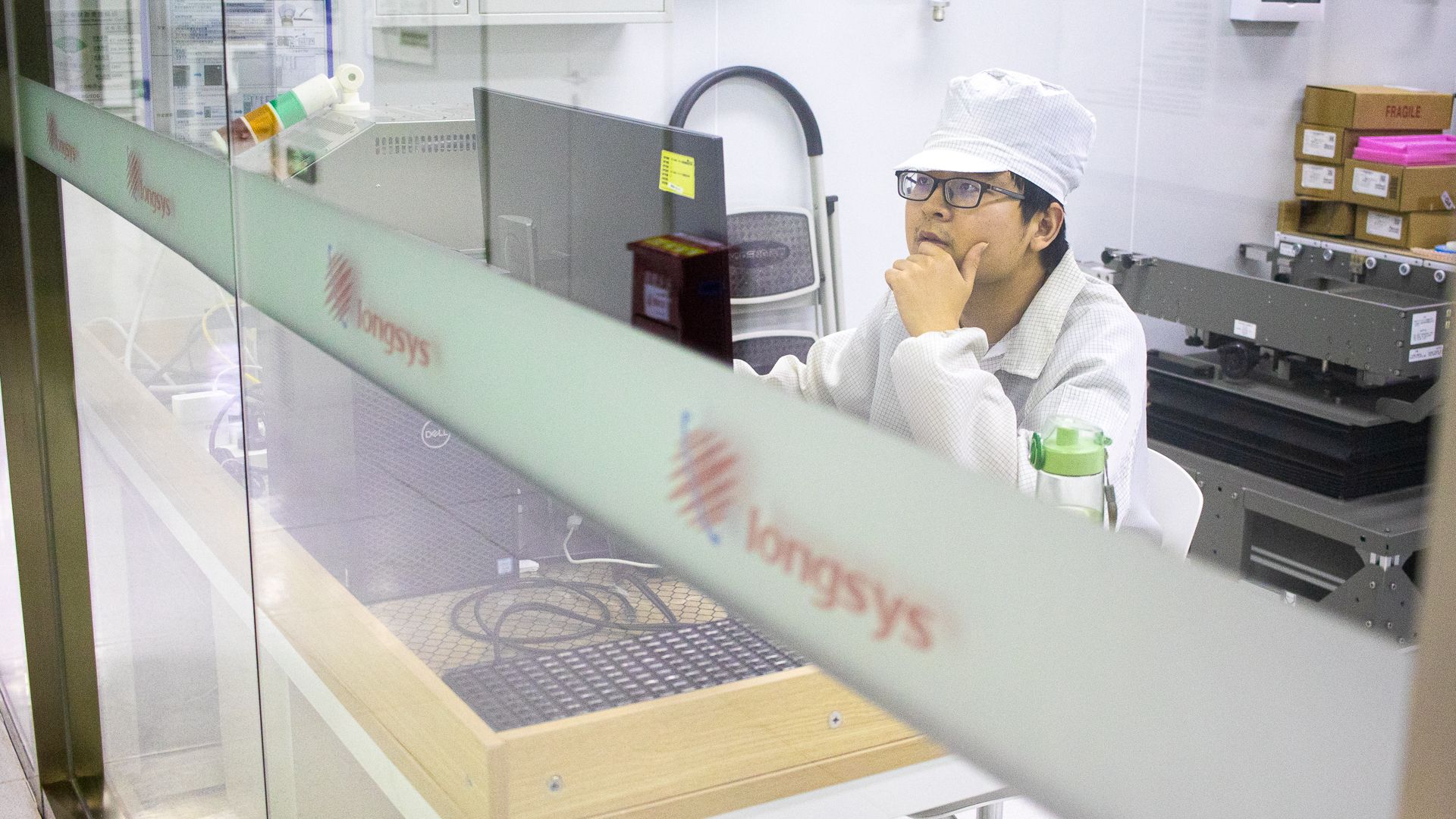
- https://www.tomshardware.com/tech-industry/chinese-memory-and-storage-firm-expected-to-post-more-than-60-000-percent-jump-in-profits-due-to-exploding-demand-lexar-owner-longsys-forecasts-nearly-usd1-5-billion-profit-for-1h26-compared-to-usd2-1-million-last-year#main
- https://www.tomshardware.com/membership
- NVIDIA and Hugging Face Bring New Models and Frameworks to LeRobot for the Open Robotics Community
- Record-low price on this 10-port PoE+ switch with gigabit speeds and up to 60W of power, save 24% — $38 for Ugreen switch that unlocks an extra eight power-deli
- Intel patent reveals new XBM memory architecture that ditches HBM's costly silicon interposer — backend-transistor DRAM stack uses UCIe links and built-in repai
- Kioxia and Sandisk sample world's densest 3D NAND — new 332-Layer beats Samsung’s 400-Layer NAND
- NVIDIA BioNeMo Agent Toolkit Brings Accelerated AI to Life Sciences Researchers in Claude Science
Informational only. No financial advice. Do your own research.