
DS426 Good — AMD needs more competition, both at the low-end and high-end. Not clear to me though why this strategy couldn't start with Nova Lake? Maybe not initial launch but later once down-binned and semi-defective output accumulates enough to sell those products on the market as cheap overclockers. Reply
usertests Overclocking is less relevant than ever before, unless you're using a Raspberry Pi or something. Reply
hotaru251 bolweval said: How so? intel was the one who locked OC'ing your CPU SKU.(k signified unlocked) since at least 25yrs ago. There was a MB that let you OC non oc cpu and they made MB vendor update bios to block it. Intel was always the one who wanted you to pay more to OC. AMD let 90% of their cpu's be OC-able regardless of sku. usertests said: Overclocking is less relevant than ever before depends. overclocking also included undervolting which is still very useful Reply
bolweval hotaru251 said: intel was the one who locked OC'ing your CPU SKU.(k signified unlocked) since at least 25yrs ago. There was a MB that let you OC non oc cpu and they made MB vendor update bios to block it. Intel was always the one who wanted you to pay more to OC. AMD let 90% of their cpu's be OC-able regardless of sku. depends. overclocking also included undervolting which is still very useful But how is this another desperate move? Edit: AMD doesn't allow overclocking on all their CPU's either? Reply
TerryLaze hotaru251 said: intel was the one who locked OC'ing your CPU SKU.(k signified unlocked) since at least 25yrs ago. There was a MB that let you OC non oc cpu and they made MB vendor update bios to block it. Intel was always the one who wanted you to pay more to OC. AMD let 90% of their cpu's be OC-able regardless of sku. depends. overclocking also included undervolting which is still very useful Intel had BCLK overclocking until 6th gen, so the 7th gen in early 2017 was 25 years ago?!?!?!?!?! DS426 said: Good — AMD needs more competition, both at the low-end and high-end. If the rumors are true and AMD only made a single mask for zen 6 that is 12cores then there will be no low or mid range from amd, it would be completely crazy for them to cannibalize chips to sell for cheap. They might sell zen 5 CPUs as zen 6 low end. In the same vein the future intel CPUs that will be overclockable might be the exact same skus that you can overclock now just in the future they will be considered mid to low end. Reply
usertests TerryLaze said: If the rumors are true and AMD only made a single mask for zen 6 that is 12cores then there will be no low or mid range from amd, it would be completely crazy for them to cannibalize chips to sell for cheap. They might sell zen 5 CPUs as zen 6 low end. What do we define as "low end"? $199 initial MSRP or less? The 9600X launched at a fairly obscene $279 MSRP for 6 cores. And the price drifted down, as they tend to do. AMD is going to make 8 or 10 cores using the 12-core CCD. If the lowest is 8 cores, I guess they would set the MSRP anywhere between $249 and $299. 10-core at $299 to $379, 12-core somewhere in the $400s, 12-core X3D gaming flagship at $499-549. It's worth noting that one leaker said there will be a 6-core in the lineup. I don't think that should get made from a 12-core CCD, but it's AMD's choice. Nova Lake is expected to launch before Zen 6, so it could provide some pressure for AMD to lower $/core for its lineup. It's also expected to provide an X3D competitor for the first time, which could help keep pricing in check. So I doubt AMD would be charging $600+ for 12-core Zen 6 X3D. The actual costs for AMD to make these desktop chips are probably low. Same leaker said the 12-core CCD will be 76mm^2, which is normal and won't cost very much even if it's on TSMC N2X. The IOD could be larger than the current 122mm^2 (TSMC N6), and on a more expensive node. Reply
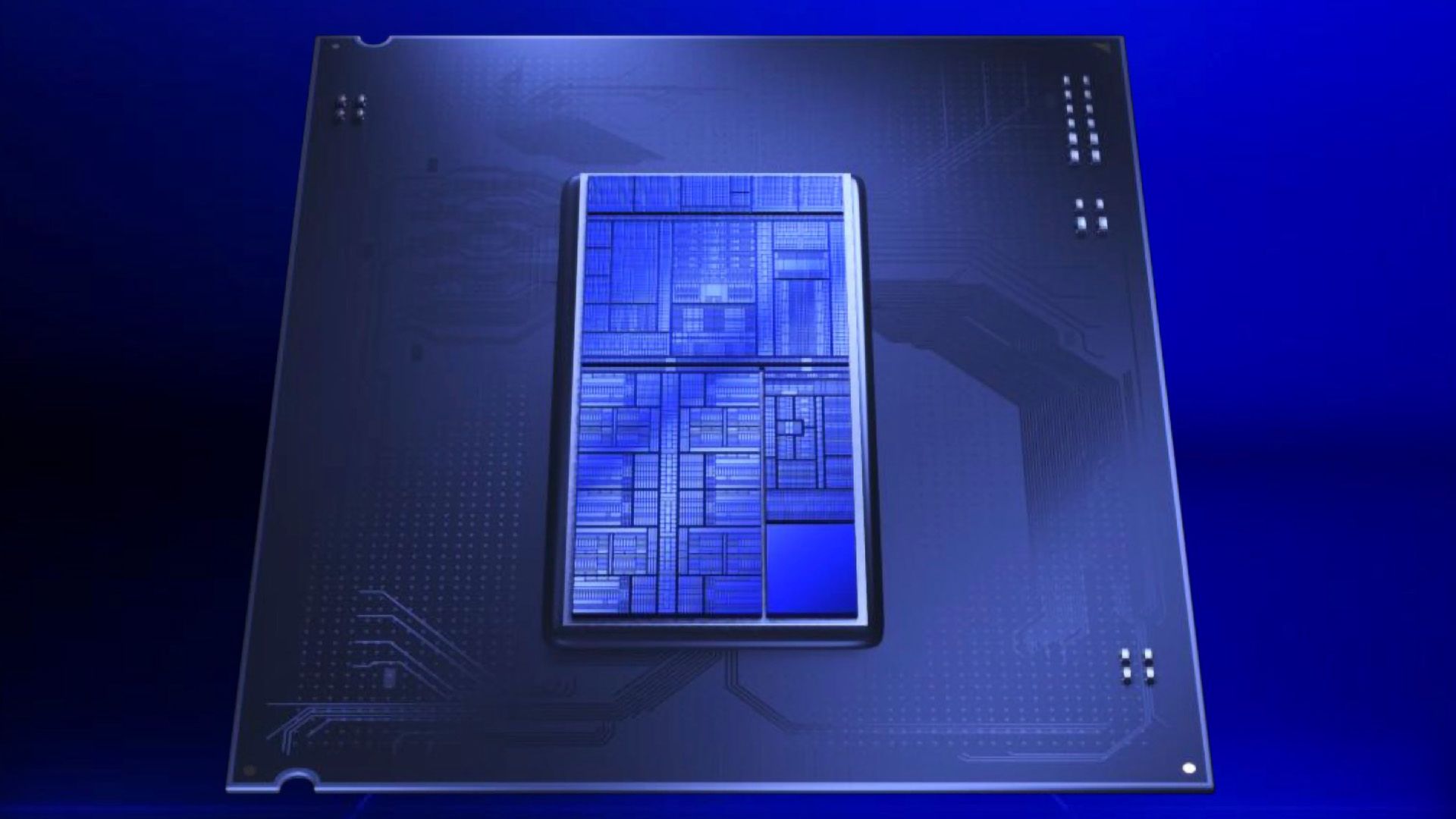
Paolooliva This is my opinion. AMD has 76.2mm2 chiplets.The Tile CPU was said to be 98mm2 for the smooth one and 154mm2 with the "large" L3. The problem for Intel is that for gaming, AMD only needs one Zen6 chiplet (X12) and 3D… the Intel equivalent? X8 P + X16 E + L3 = 154mm2? Even with 4 fewer E cores, it won't change much. For the flawed models, the motherboard die would remain the same.In MT, the calculation is too complex… (IPC x P core frequency and E cores vs. all "P" cores for AMD), but the production on the N2P/N2X penalizes the hybrid, because the E cores don't take advantage of the N2P/N2X. The only way for Intel to win is if the PL3 493W rumor were true (X52), because the AM5 can't handle those watts… but what about the cost? The MB, what? 16 layers and 24 phases with a 150-200A VRM? And the dissipation? 500W requires a custom, high-end system… and how much would the system cost? P.S. I find it difficult for Nova to come out before Zen6… in January 2026, the top Epyc ES processors were already running at 4GHz… back then, Nova ES processors moved the L3 to a separate die, then Intel changed everything, and now there's even talk of a lower core count… never mind a finished die. Reply
rluker5 I like the sounds of a new 9350k. If they made that with a 4+4+4 die it could do unexpectedly well. A 2+0+4 new G3258 is going to have performance issues with dual cores not being enough, then the help being on another die. E cores can really help when there aren't enough CPU threads so long as the primary threads don't wind up going to them, and they are on the compute tile. It is some low hanging fruit for a NVL refresh cycle. Reply
Key considerations
- Investor positioning can change fast
- Volatility remains possible near catalysts
- Macro rates and liquidity can dominate flows
Reference reading
- https://www.tomshardware.com/pc-components/cpus/SPONSORED_LINK_URL
- https://www.tomshardware.com/pc-components/cpus/intel-teases-wider-range-of-overclockable-cpus-for-future-platforms-vp-robert-hallock-says-budget-builders-deserve-the-same-level-of-features-as-more-well-heeled-enthusiasts#main
- https://www.tomshardware.com/subscription
- Autonomous AI at Scale: Adobe Agents Unlock Breakthrough Creative Intelligence With NVIDIA and WPP
- TP-Link seeks to secure conditional approval from FCC following router import ban — company stresses it is no longer Chinese-owned
- Game On: Five New Titles Now Streaming on GeForce NOW
- AI cloud company Vercel breached after employee grants AI tool unrestricted access to Google Workspace — hacker seeking $2 million for stolen data
- National Robotics Week — Latest Physical AI Research, Breakthroughs and Resources
Informational only. No financial advice. Do your own research.