
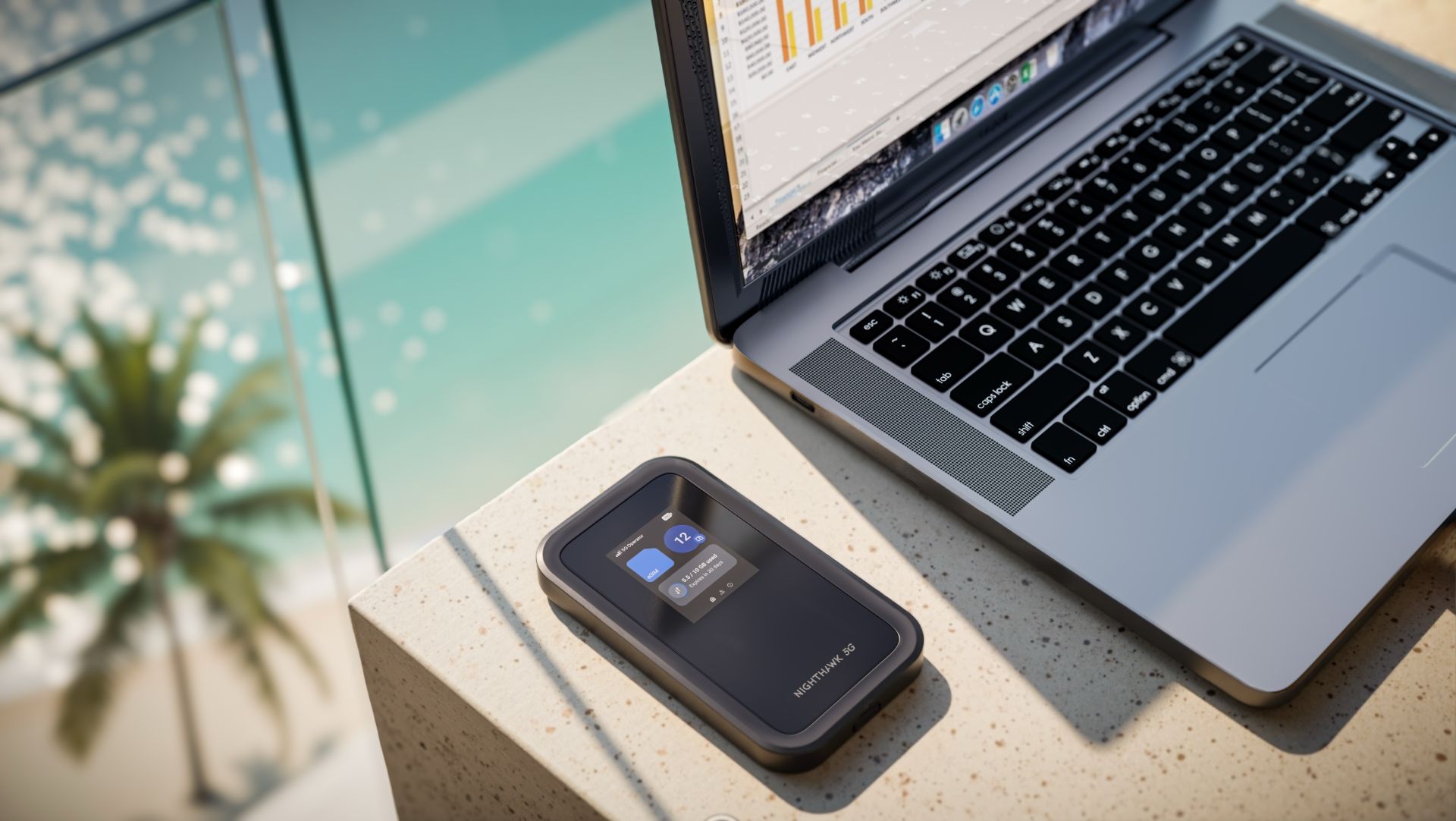
It's the first company to secure the coveted approval, but it does not make any mention of moving manufacturing to the U.S.
When you purchase through links on our site, we may earn an affiliate commission. Here’s how it works .
According to the FCC’s covered list , the following Netgear models can be imported in the U.S. until October 1, 2027:
Nighthawk consumer mesh, mobile, and standalone routers (R, RAX, RAXE, RS, MK, MR, M, and MH series)
Orbi consumer mesh, mobile, and standalone routers (RBK, RBE, RBR, RBRE, LBR, LBK, and CBK series)
Some of these are included in our list of the best Wi-Fi routers and best budget routers . Another company, Adtran Inc., also received conditional approval for its Service Delivery Gateway class router.
You may like FCC bans import of new consumer routers not made in the US over security threat Here’s what the FCC ban on foreign-manufactured routers actually means for consumers DJI sues the FTC over its prohibition on importing new models of foreign-made drones into the U.S. It’s unclear how Netgear secured this exemption, especially as the DoW or DHS requires “a detailed, time-bound plan to establish or expand manufacturing in the United States for the router for which the applicant is seeking Conditional Approval in order for that device to qualify for FCC authorization” and “a description of committed and planned capital expenditures, financing, or other investments dedicated to U.S.-based manufacturing and assembly over the next 1-5 years, including expected timelines and milestones.”
The Verge notes that when a publicly traded company like Netgear plans a major investment, like constructing a new production line and supply chain, it’s usually required to disclose these plans to the U.S. Securities and Exchange Commission (SEC). However, the San Jose, California-based company, which produces routers in China, Vietnam, Taiwan, and Mexico, among other countries, did not mention anything about onshoring its manufacturing operations in its filings, raising questions about what its plans are and how it secured the exemption. Furthermore, the company said in its SEC disclosure that “So long as the conditional approval is maintained, NETGEAR can launch new consumer routers and update the software on existing consumer routers indefinitely.” The FCC cited a "specific determination" from the Pentagon that Netgear's devices were not a risk to U.S. national security.
This does not mean that consumers should replace their existing routers with Netgear-branded ones immediately, especially as the FCC’s ban will only impact new models. While Netgear just happened to be the first company to obtain a conditional approval from the U.S. government, other manufacturers are confident that they can receive that as well. Asus and TP-Link have both released statements to that effect soon after the FCC released its directive, and it just might be a matter of time before they can continue releasing new models for consumers in the U.S., at least for now.
Follow Tom's Hardware on Google News , or add us as a preferred source , to get our latest news, analysis, & reviews in your feeds.
Get Tom's Hardware's best news and in-depth reviews, straight to your inbox.
Key considerations
- Investor positioning can change fast
- Volatility remains possible near catalysts
- Macro rates and liquidity can dominate flows
Reference reading
- https://www.tomshardware.com/networking/routers/SPONSORED_LINK_URL
- https://www.tomshardware.com/networking/routers/netgear-secures-conditional-approval-from-the-fcc-following-router-ban-company-can-continue-importing-foreign-made-routers-through-october-2027#main
- https://www.tomshardware.com
- Why we spent 50+ hours retesting Intel’s Core Ultra 270K Plus and 250K Plus
- NVIDIA, Telecom Leaders Build AI Grids to Optimize Inference on Distributed Networks
- Press Start on April: GeForce NOW Brings 10 Games to the Cloud
- Netgear secures conditional approval from the FCC following router ban — company can continue importing foreign-made routers through October 2027
- Lenovo hikes Legion Go 2 handheld gaming PC to almost $3,000 for 2 TB model — Handheld now costs more than AMD's Strix Halo devices despite relatively weaker Z2
Informational only. No financial advice. Do your own research.