
When you purchase through links on our site, we may earn an affiliate commission. Here’s how it works .
The technique modifies laser powder bed fusion , in which a laser melts thin layers of metal powder point by point. On a standard print, the beam tracks straight lines, and each brief melt pool blends its ingredients only slightly. NIST researcher Ho Yeung instead programmed the laser to draw loops as it advanced, churning the pool while it stayed liquid. Existing printer firmware couldn’t produce those toolpaths, so the team wrote its own control software.
Because the method changes only the scan pattern, NIST says machines on factory floors could run it after a software update. “Commercial 3D printer software can't make these patterns,” said Ho Yeung, a NIST researcher, in the agency's announcement, adding that the team had to write the software from scratch.
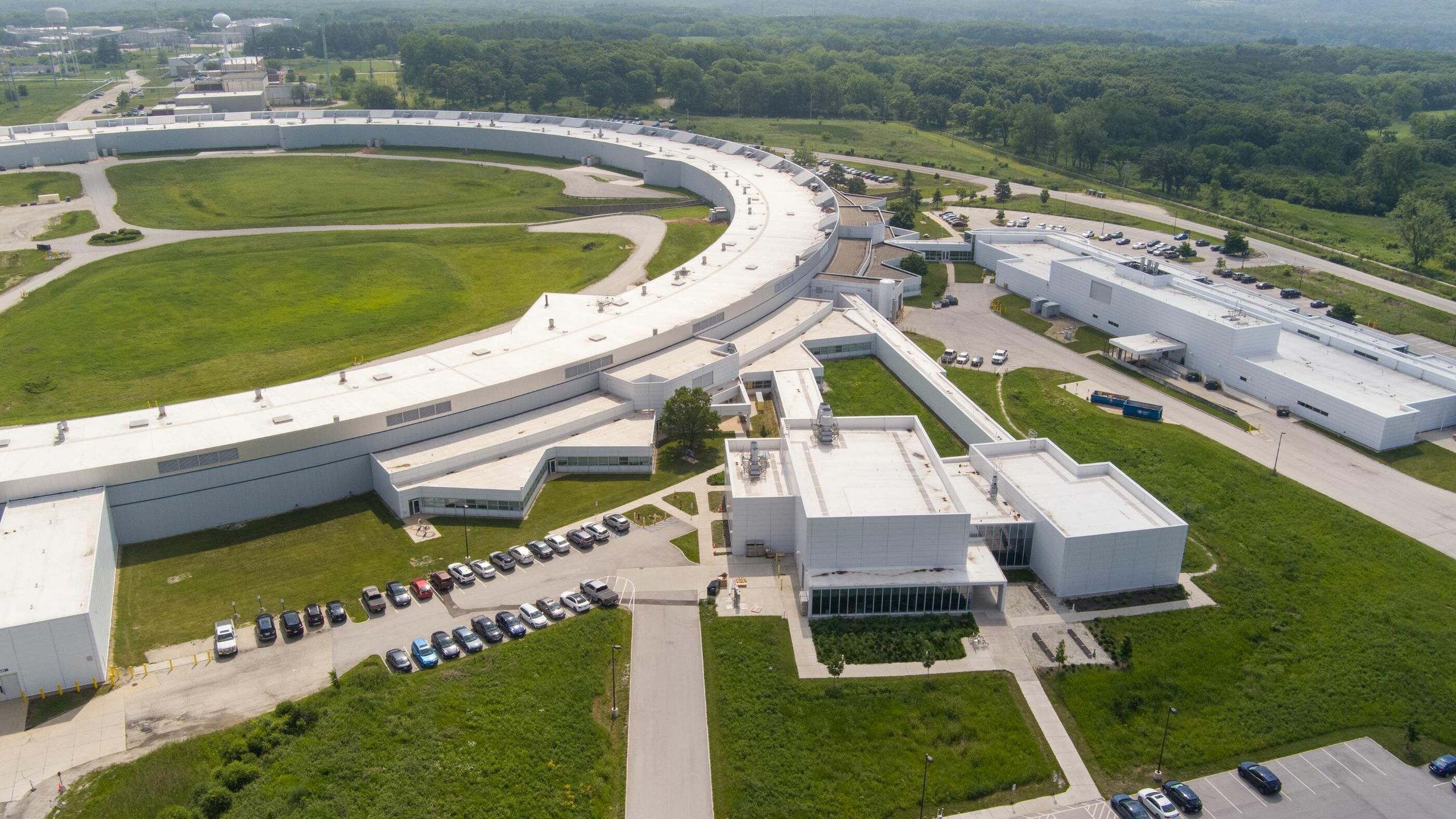
Confirming that the metals had truly alloyed (rather than separated) meant capturing the atomic structure as the pool froze, which happens in under a second. The Advanced Photon Source produces X-ray beams roughly 500 billion times brighter than a dental scanner, enough to read diffraction patterns off the dense melt as it solidified, and the team paired that with electron microscopy on the finished solid. NIST counts this in-situ diffraction as a result in itself, since tracking phase changes at that speed hadn’t been done this way before.
Metals carry different densities, melting points, and surface tension, which drives them to separate into weak, blotchy regions as a casting cools. High-entropy alloys, which mix five or more metals in roughly equal shares rather than one base metal with trace additions, are especially prone to it, and that’s why they are difficult to cast. Stirring during the print, however, sidesteps the problem.
Researchers find a way to heat 3D printer filament using microwaves, enabling fusing circuits inside printed objects
New metal 3D printer shrinks industrial tech down to workbench size with laser powder bed fusion system
3D-printed triaxial electrospray nozzles could revolutionize drug and self-healing material manufacturing
The researchers reckon that the same method could feed a machine elemental metal powders and blend them into finished alloys on the fly, instead of stocking a separate pre-alloyed powder for every composition. NIST also points to grading composition continuously across one part, so a jet turbine blade could shift between metals without a welded joint that might fail. Metal printing is far more demanding than printing plastic , since alloys melt at extreme temperatures and pass through phase changes as they cool.
The paper was first published in Additive Manufacturing Volume 118 on February 25th. Separately, NIST has listed elliptical scan patterns among the control strategies that it’s studying to suppress defects and steer microstructure in additive manufacturing.
Get Tom's Hardware's best news and in-depth reviews, straight to your inbox.
Key considerations
- Investor positioning can change fast
- Volatility remains possible near catalysts
- Macro rates and liquidity can dominate flows
Reference reading
- https://www.tomshardware.com/3d-printing/SPONSORED_LINK_URL
- https://www.tomshardware.com/3d-printing/nist-gets-metal-3d-printers-to-mix-alloys-mid-print-by-rewriting-the-lasers-path#main
- https://www.tomshardware.com/membership
- Cooler Master MasterHUB review: A modular stream deck with potential
- OpenAI hit with sweeping probe from massive coalition of 42 US state attorneys general just days after reported IPO filing — subpoena targets ChatGPT maker’s ad
- Dev releases ‘unblockable’ ASCII video stream software, stoking fears of unstoppable ads — delivers 360p video at 30 FPS and acts as a ‘bridge for AI’
- Industrial Software Leaders Build Secure, Autonomous AI Engineers With NVIDIA NemoClaw
- Asus ProArt PA27USD 27-inch OLED review: Precision color with high-speed gaming prowess
Informational only. No financial advice. Do your own research.