
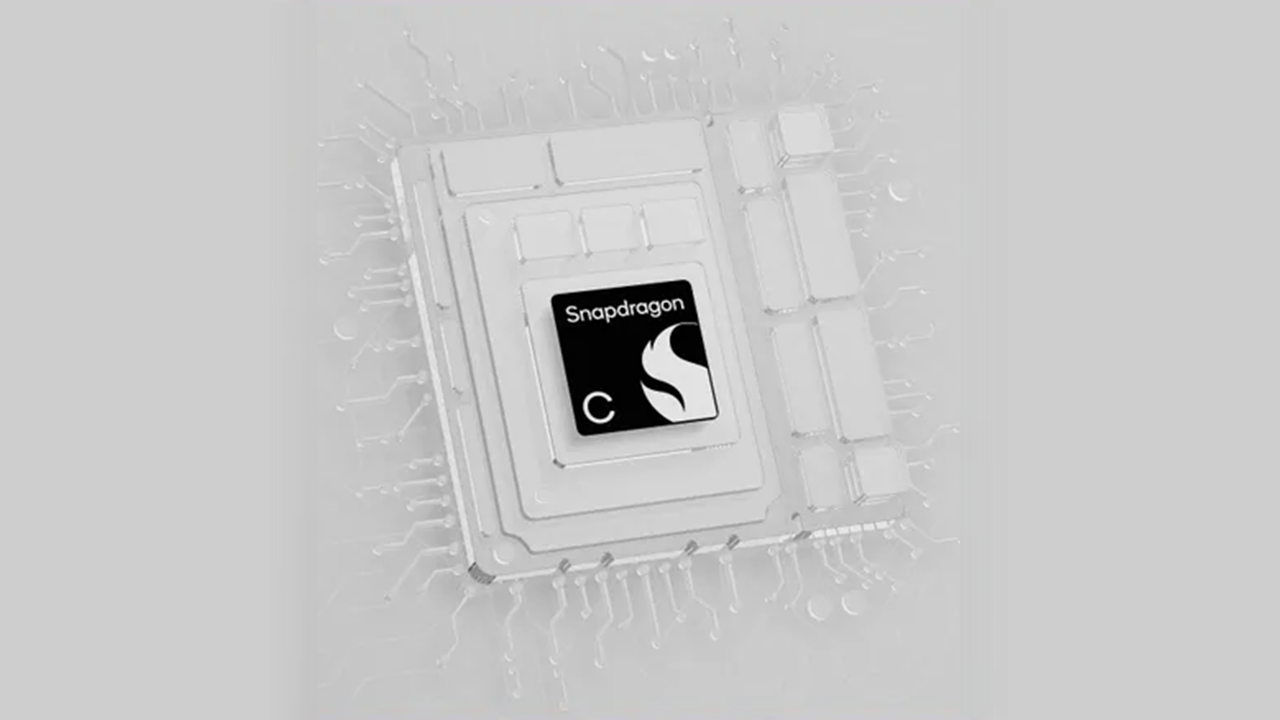
We went hands-on with Qualcomm's new '$300 and up' ARM laptop platform with mystery eight-core CPU
Qualcomm has disclosed little else; core counts, clock speeds, neural-engine throughput, the manufacturing node, and the supported memory type were all absent from the announcement , with the company saying it would detail them during its Computex keynote this week. Reported leaks point to a 6nm-class part with eight cores, though none of that is confirmed.
The first machine is Acer's Aspire Go 15 . Acer's specification sheet lists a 15.6-inch 1920 x 1080 display, up to 8GB of memory, up to 512GB of storage, a 53Wh battery, and Windows 11 with a Copilot key but no Copilot+ branding. Acer hasn’t given the laptop a price or a release date, and HP and Lenovo, both named as launch partners, have yet to unveil their own machines.
Snapdragon C enters a market where memory has arguably become the deciding factor in what a laptop ultimately retails for. TrendForce projects that conventional DRAM contract prices rose 90% to 95% in the first quarter of 2026 and will climb a further 58% to 63% in the second, with mobile DRAM — the LPDDR type Snapdragon C depends on — rising as much as 93% to 98% quarter over quarter.
Meanwhile, Gartner expects combined DRAM and SSD pricing to increase 130% by the end of 2026 , lifting average PC prices 17% and pushing memory from 16% to 23% of a typical laptop's bill of materials. Ranjit Atwal, senior director analyst at Gartner, said in a February forecast that the increases have removed vendors' ability to absorb the cost, and that "the sub-$500 entry-level PC segment will disappear by 2028." IDC reached a similar conclusion, cutting its 2026 global PC shipment forecast to a decline of 11.3% and warning that bargain-priced PCs are, for now, behind us.
The squeeze is already visible further up the Windows line-up. HP told investors that memory now makes up roughly 35% of its PC bill of materials , up from the mid-to-high teens a quarter earlier, and Lenovo told TechRadar there was "no way around" the price increases it would pass to buyers. Microsoft's cheapest Surface Laptop now starts at $1,149, a position that no longer competes for budget buyers at all, and a significant jump from its original $899 launch price.
Qualcomm isn’t the first manufacturer to repurpose a binned phone processor; Apple’s $599 MacBook Neo , announced in March, runs the A18 Pro from the iPhone 16 Pro alongside 8GB of unified memory and 256GB of storage in a fanless 13-inch body. That’s the same maneuver Qualcomm is attempting by using Kryo silicon in the Snapdragon C.
Apple claims that the Neo runs up to 50% faster than a comparable Intel Core Ultra 5 laptop and three times faster in on-device AI, but that’s all based on its own internal benchmarks against an unnamed machine. Asus co-CEO S.Y. Hsu, on the company's first-quarter earnings call, called Apple's pricing "a shock to the entire industry."
New Microsoft Surface for Business PCs pair Panther Lake chips with as little as 8GB of RAM
The $599 MacBook Neo stunned the budget laptop market
Key considerations
- Investor positioning can change fast
- Volatility remains possible near catalysts
- Macro rates and liquidity can dominate flows
Reference reading
- https://www.tomshardware.com/laptops/SPONSORED_LINK_URL
- https://www.tomshardware.com/laptops/qualcomm-aims-snapdragon-c-at-300-laptops-as-memory-costs-gut-the-budget-segment#main
- https://www.tomshardware.com
- Hands-on with Asus’ ROG Azoth Extreme Edition 20 mechanical keyboard – when carbon fiber isn’t enough, Asus goes for the gold
- Save 78% on Nord's latest Complete VPN package — 27 months of online protection for $107
- License to Stream: ‘007 First Light’ Coming to GeForce NOW With an Ultimate Bundle
- NVIDIA Vera CPU Is ‘Packing a Heavy-Hitting Punch’ Against Competition
- AMD is considering a potential Ryzen 5 9600X3D — company says six-core Zen 5 X3D chip 'maybe something we look at doing… later this year'
Informational only. No financial advice. Do your own research.