
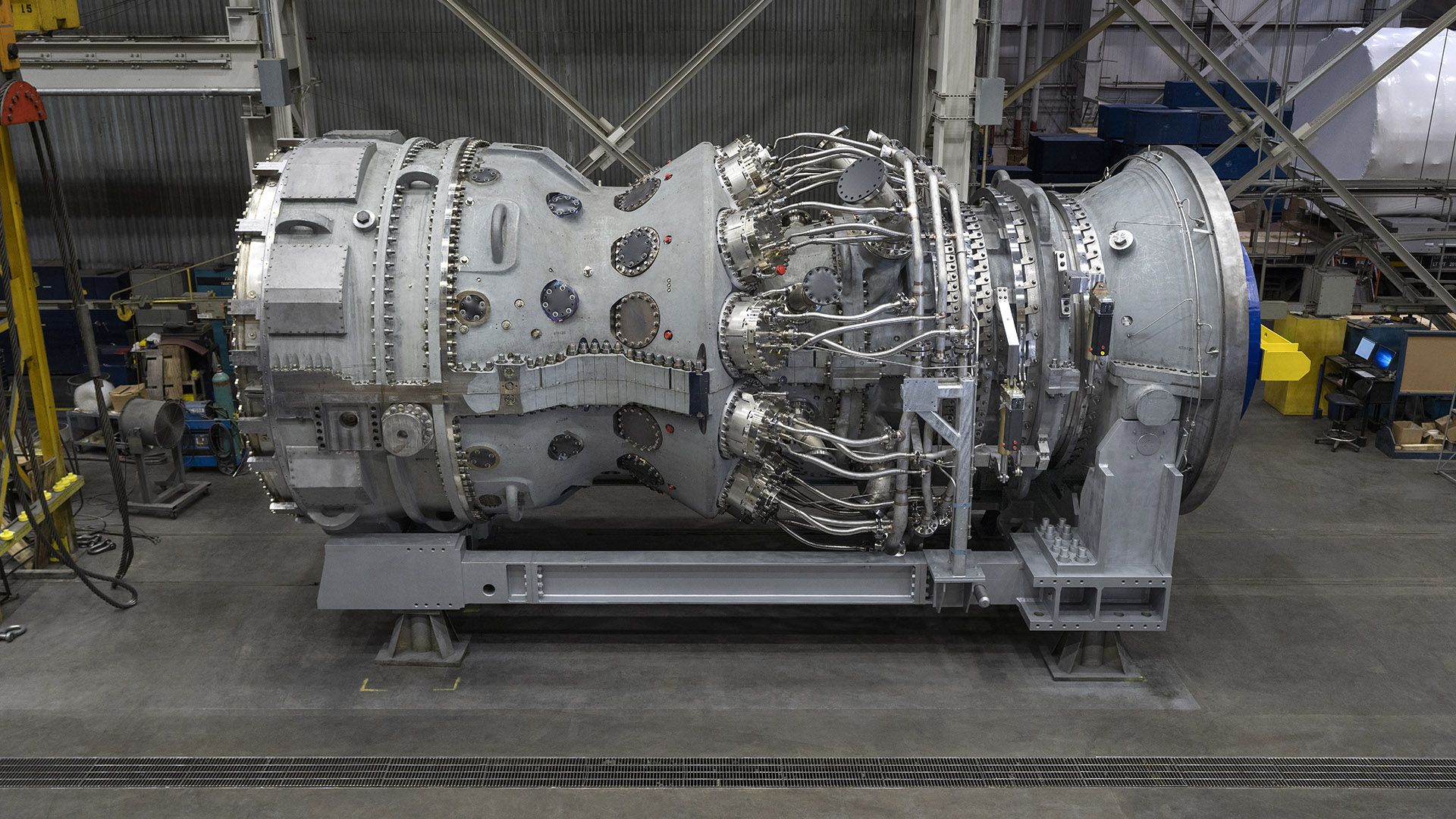
AI data centers must have N+1 or N+1+1 redundancy to ensure continued operation, even if some fail. N+1 means that they must have a backup generator, which takes over should one fail during normal operations. Meanwhile, N+1+1 recommends having an additional power source on site as well as a backup, in case one of the generators in regular operation is in maintenance. As well as all of this, maintenance, spare parts, necessary personnel, and fuel also remain additional considerations.
Despite these challenges, it’s estimated that AI data centers could generate $10 to $12 billion per gigawatt annually. Musk fired up the Colossus data center in July 2024 , while the 150MW substation only delivered power to the site in November 2024 . This meant that he could have made somewhere between $3 to $4 billion in revenue during that time, which likely would have offset the cost of running the entire site on natural gas turbines.
Another issue that data centers face is permitting requirements, which can take as long as a year or more. The OpenAI/Oracle site at Abilene, Texas, is reportedly facing delays because of this. Musk’s Colossus 2 site mitigated the permit delay by building near the border of Tennessee and Mississippi , allowing him to hedge his bets by applying for permits from the two states and securing supply from both.
Aside from that, communities around these data centers might complain about the power plants they’re putting up just to provide the power they need. xAI faced this exact issue , with residents complaining about the pollution generated by the gas turbines deployed around the Memphis site.
Though investors could throw unlimited amounts of money at the problem, there's another factor they cannot escape — long equipment lead times. It takes about 12 to 36 months before any of the gas turbine manufacturers can deliver them, especially as these are intricate machines that use highly specialized materials and require specific processes to manufacture.
These lead times could get longer, especially as more AI data centers are competing for the same amount of production capacity from these companies.
xAI contracted VoltaGrid to deliver power to its Memphis data center while it was waiting for a connection from the TVA. But even as the utility company finally delivered the 150MW it needed, some turbine generators remained on site as a backup to the system. This begs the question: should AI data centers rely entirely on their own power? VoltaGrid and other firms seem to think so, even going as far as offering “energy-as-a-service,” or EaaS, to AI companies.
This entails an extended power purchase agreement between the provider and the data center, wherein the former will deliver everything that the latter needs for their operation — from power capacity and day-to-day operations to maintenance and uptime reliability. However, even though this may be favorable in terms of deployment time, it will still get prohibitively expensive in the long run.
At the moment, AI companies rent gas generators for bridge power, allowing them to get their data center operations up and running as soon as possible while waiting for approval from the local utility. But when they finally connect their site to the grid, it’s still often more economical to just keep these mobile generators as backup units in case their primary sources fail, not as their sole power source.
EaaS could possibly work as a permanent solution when the national electric grid is maxed out. When there is no more extra capacity to be had for power-hungry AI infrastructure, AI companies might have no choice but to rely on services like this just to get their projects up and running.
Jowi Morales Social Links Navigation Contributing Writer Jowi Morales is a tech enthusiast with years of experience working in the industry. He’s been writing with several tech publications since 2021, where he’s been interested in tech hardware and consumer electronics.
Key considerations
- Investor positioning can change fast
- Volatility remains possible near catalysts
- Macro rates and liquidity can dominate flows
Reference reading
- https://www.tomshardware.com/tech-industry/artificial-intelligence/SPONSORED_LINK_URL
- https://www.tomshardware.com/tech-industry/artificial-intelligence/u-s-electricity-grid-stretches-thin-as-data-centers-rush-to-turn-on-onsite-generators-meta-xai-and-other-tech-giants-race-to-solve-ais-insatiable-power-appetite#main
- https://www.tomshardware.com
- Into the Omniverse: OpenUSD and NVIDIA Halos Accelerate Safety for Robotaxis, Physical AI Systems
- ARPANET standardized TCP/IP on this day in 1983 — 43-year-old standard set the foundations for today’s Internet
- NVIDIA Acquires Open-Source Workload Management Provider SchedMD
- Marine Biological Laboratory Explores Human Memory With AI and Virtual Reality
- As AI Grows More Complex, Model Builders Rely on NVIDIA
Informational only. No financial advice. Do your own research.