
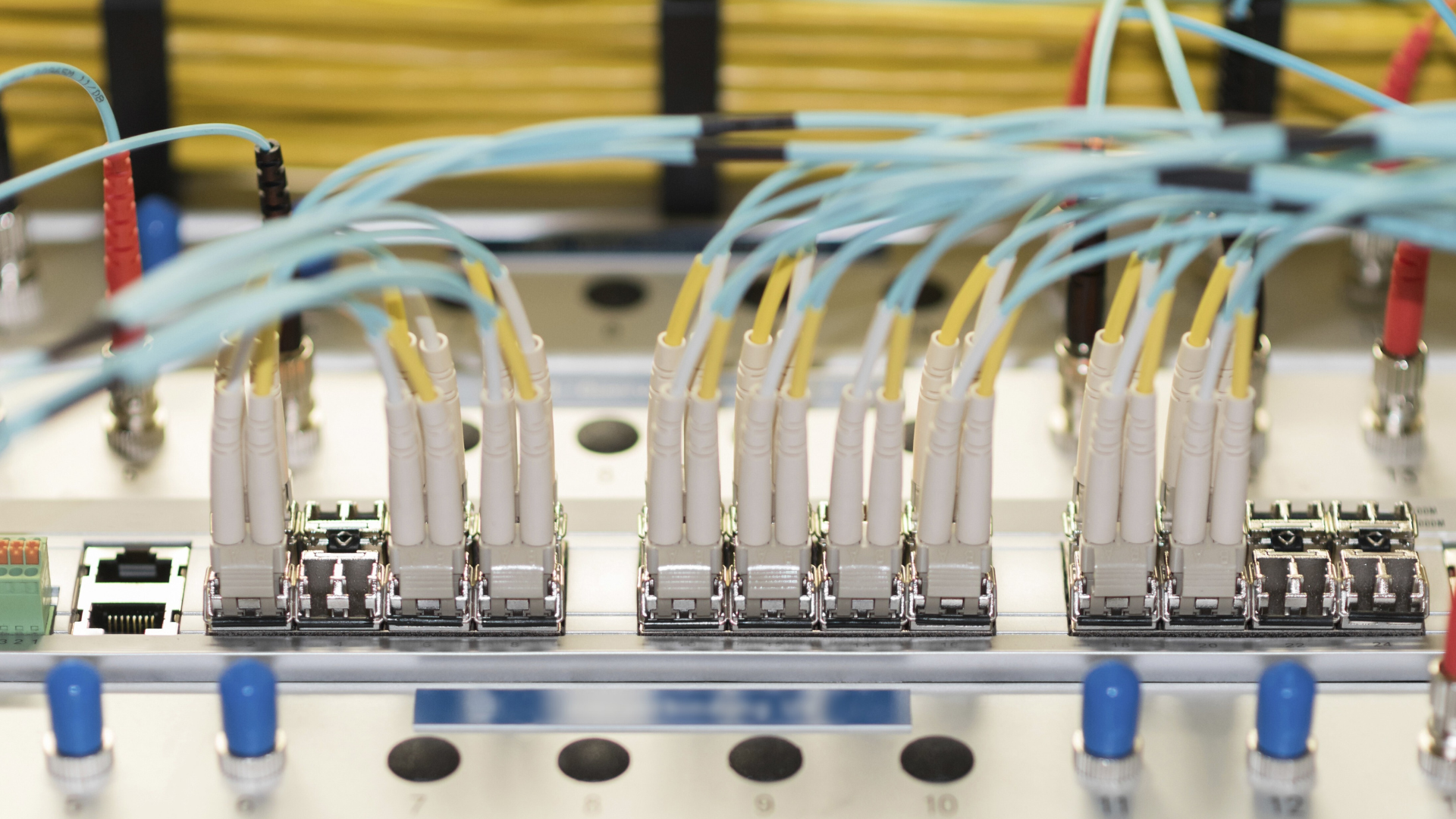
"Transceivers definitely pose a risk," AI policy expert Divyansh Kaushik of advisory firm Beacon Global Strategies told the publication. "As the data center buildout scales up, you want to make sure the data center supply chain is secure from the get-go.” The administration fears that these components could be used to steal data, install malware, or disrupt data center operations in the U.S.
These optical transceivers are crucial for data centers as they require less electrical energy than traditional copper-based wiring and are also much faster. There are several U.S.-based manufacturers of these components, like Lumentum, Coherent, and Apple Optoelectronics, but Reuters said that they do not have the scale and capacity of leading company Innolight, which has cornered 27% of the global market.
This isn’t the first industry-wide ban that the FCC has imposed in recent months. While the U.S. has banned Huawei products from the country since 2019, it recently enforced several other bans that have primarily affected major Chinese or China-connected companies. This includes the ban on foreign-made drones , applied in December 2025, foreign-manufactured routers , enacted last April, and advanced robotic devices that weigh over 4.4 pounds and have a 200-kbps connection, which was announced just last month.
The first ban primarily affected DJI, while the one set in April hit TP-Link badly, even though it has since separated from its Chinese parent company in 2024. While you may not think that consumers will be affected by the Chinese robot ban, the July ruling also affects robot vacuums, with the top brands in the U.S. like iRobot, Roborock, Ecovacs, Dreame, and Xiaomi all being owned by a Chinese entity.
Trump administration reportedly debating ban on Chinese cellular modules in expansion of FCC crackdown
Lawmakers want US government to ban memory chips from China, even in allied supply chains
Trump administration reportedly reviving push to ban Chinese AI models following Kimi K3 launch, citing cybersecurity
Although the U.S. said that all companies are affected by these bans, it also allows for conditional approvals. For example, Netgear and Amazon were able to secure exemptions for their foreign-made models through October 2027. TP-Link also applied for an additional approval in April but has yet to receive one until now.
It’s been said that the FCC wants to head off these Chinese components before they become more prevalent in U.S.-based AI data centers. This is what happened with Huawei, which was already so entrenched in the U.S. when it was banned that it became an expensive, years-long process to remove and replace all components made by the company from all its systems.
Get Tom's Hardware's best news and in-depth reviews, straight to your inbox.
Key considerations
- Investor positioning can change fast
- Volatility remains possible near catalysts
- Macro rates and liquidity can dominate flows
Reference reading
- https://www.tomshardware.com/tech-industry/data-centers/SPONSORED_LINK_URL
- https://www.tomshardware.com/tech-industry/data-centers/us-mulling-ban-on-key-chinese-networking-tech-in-data-center-component-crackdown-white-house-wants-to-impose-restrictions-in-2026-china-says-it-will-respond-if-necessary#main
- https://www.tomshardware.com/membership
- Iran suspected of conducting cyberattacks on US water suppliers in 45 municipalities — small towns mostly targeted, with utilities switching to manual control
- Frore claims its LiquidJet can drop Nvidia Rubin GPU temperatures by 10°C — can also boost performance by 15% as hyperscalers eye using delidded GPUs in product
- 16GB GPUs and 8-core CPUs officially become the most popular configs on Steam — Latest hardware survey shows modern gaming's growing hunger for more resources
- Hideo Kojima unveils a Death Stranding 2-themed wireless CD player — Limited edition device costs ~$160, comes with Bluetooth 5.3 & exclusive artwork
- Texas slams on the brakes for 1,800 data centers, power grid requirements are five times higher than peak record demand — 474 gigawatts of power requests are no
Informational only. No financial advice. Do your own research.