
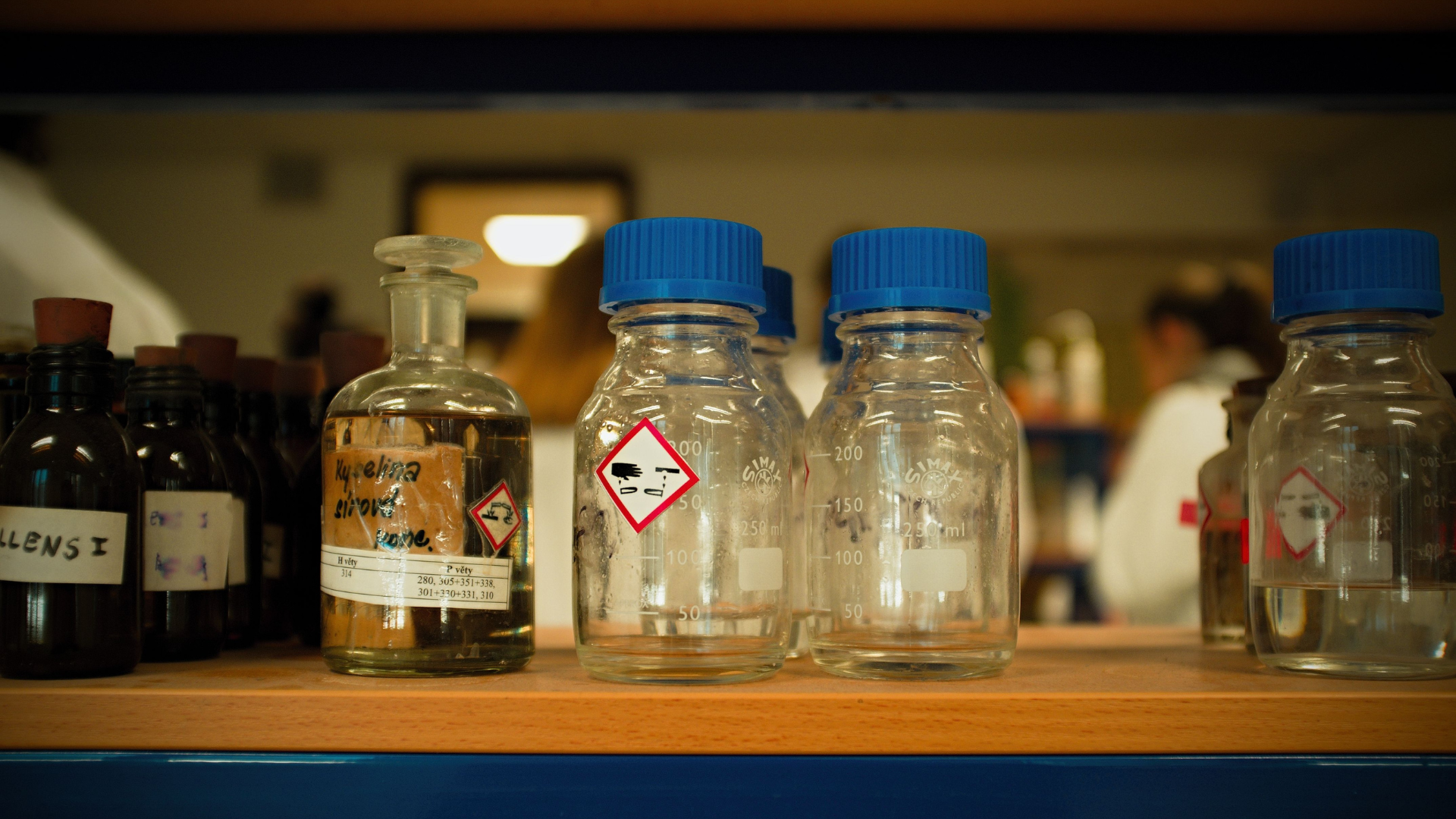
The current administration wants to bring semiconductor manufacturing back into the United States, with President Donald Trump issuing an executive order last year to fast-track the approval of chemicals needed for data centers. It’s unclear if these two chemicals are related to the order, but Atty. Jonathan Kalmuss-Katz, who works with Earthjustice, said that the EPA “does not know the level at which the chemicals are ‘acutely lethal’ or cause other serious health damage.” It also said that “the chemicals may present an ‘unreasonable risk’ to workers and the public.” Nevertheless, the agency allegedly approved them for import and use in the U.S. with minimal and non-protective restrictions.
“If a chemical may present an ‘unreasonable risk,’ then the Toxic Substances Control Act requires the EPA to ‘prohibit or limit the manufacture, processing, distribution in commerce, use, or disposal of such substance or to prohibit or limit any combination of such activities to the extent necessary to protect against an unreasonable risk,” Kalmuss-Katz told The Guardian . He also added, “This is turning the new chemical review process on its head. You have a situation where the EPA has failed at its most fundamental obligation when it comes to new chemicals, and that is to protect the public from unreasonable risk.” Aside from the health and environmental risks posed by the photoacid generators, these chemicals also appear to be PFAS or per- and polyfluoroalkyl substances. These are synthetic chemicals with unusually strong bonds that could last a long time, even if they’re exposed to the environment, which is why they’re often referred to as “forever chemicals.”
The semiconductor industry has long been known for its use of PFAS, and researchers are working hard to find ways to help clean up these chemicals used to make chips. So, the approval of new chemicals without rules and regulations that require them to be removed from discharges is potentially disastrous for the environment. This is the same concern that a lawsuit against Micron’s planned New York fab raises , which says that the approved wastewater and air permits that the company received could still allow these “forever chemicals” to leak into the Oneida River. Environmental groups acknowledge that domestic chip production requires the use of these potentially harmful chemicals, but the EPA must ensure that these do not find their way into the water system and that the people working with them are protected from exposure.
Follow Tom's Hardware on Google News , or add us as a preferred source , to get our latest news, analysis, & reviews in your feeds.
New Micron lawsuit reignites fight over New York fab — complaint alleges 'forever chemicals' will flow into Oneida River
U.S. gov't moves to suppress pushback on data centers by removing requirements for public input on pollution
AI data center developers begin suing local jurisdictions behind bans and moratoriums
Get Tom's Hardware's best news and in-depth reviews, straight to your inbox.
Key considerations
- Investor positioning can change fast
- Volatility remains possible near catalysts
- Macro rates and liquidity can dominate flows
Reference reading
- https://www.tomshardware.com/tech-industry/semiconductors/SPONSORED_LINK_URL
- https://www.tomshardware.com/tech-industry/semiconductors/epa-faces-lawsuit-over-claims-it-fast-tracked-approval-of-toxic-data-center-chemicals-exposure-to-photoacid-generators-used-for-semiconductor-manufacturing-could-result-in-sudden-death-also-appear-to-be-long-lasting-pfas#main
- https://www.tomshardware.com/membership
- Why Scaling AI Compute Performance Requires a New Power Architecture
- NVIDIA NVLink Fusion Expands With NVHBM Custom High-Bandwidth Memory
- GeForce NOW Gives Gamers More Ways to Play at Gamescom 2026
- Cloudflare frees up 100TB of RAM by shrinking 1.1.1.1's DNS cache entries — 250 billion cached DNS entries at any given time means one wasted byte costs 250GB
- X busts 200,000-strong Chinese bot farm, including accounts making claims about AI data centers and electricity — suspect accounts posted claims about pricing a
Informational only. No financial advice. Do your own research.